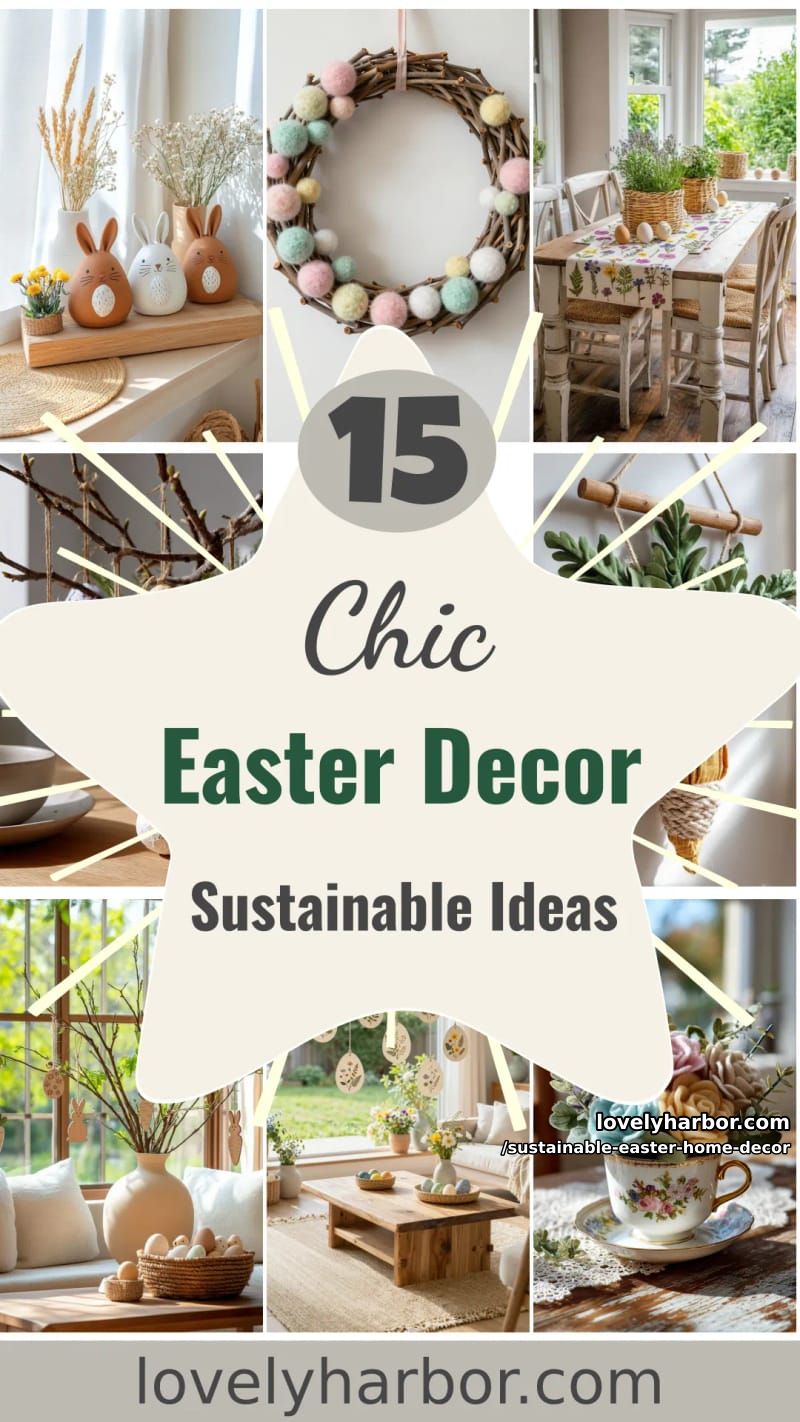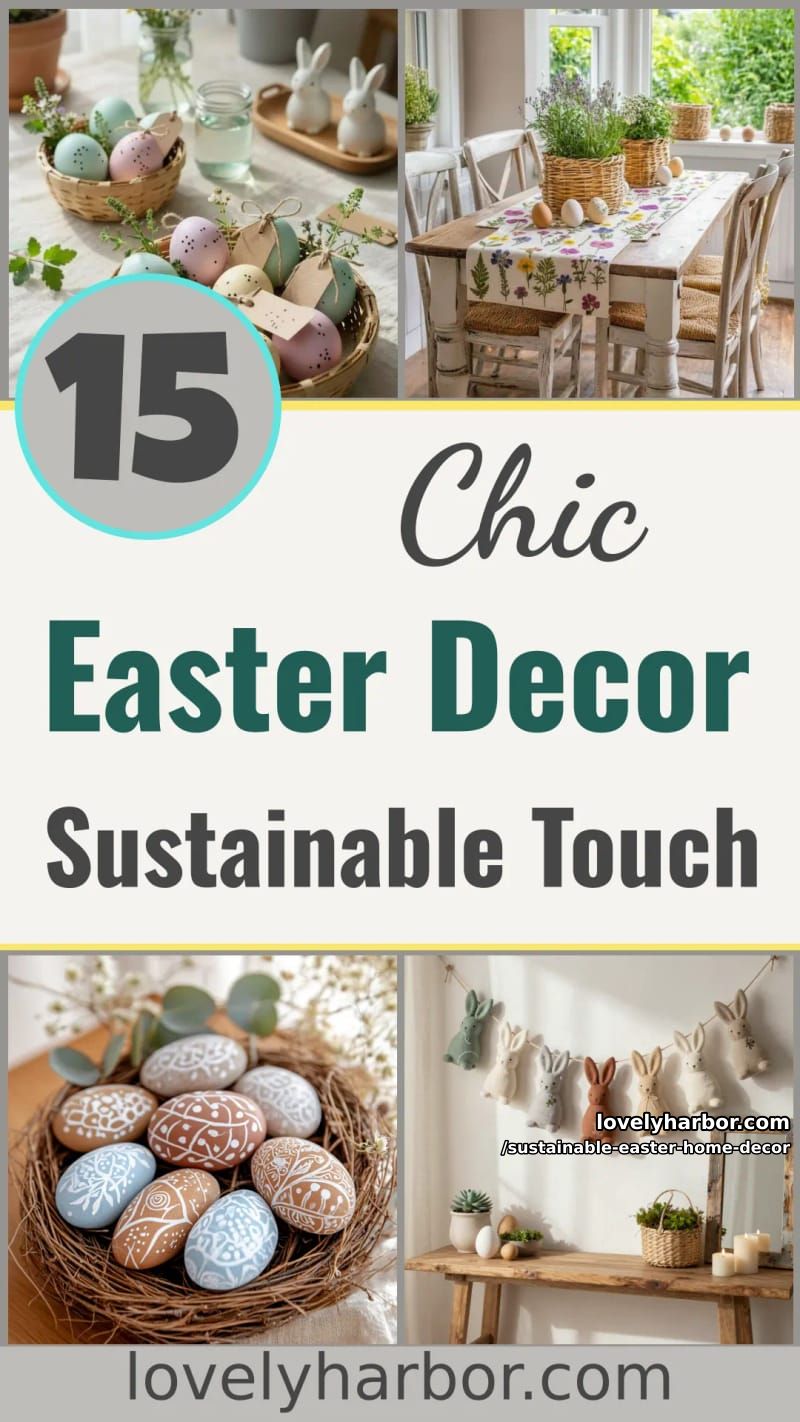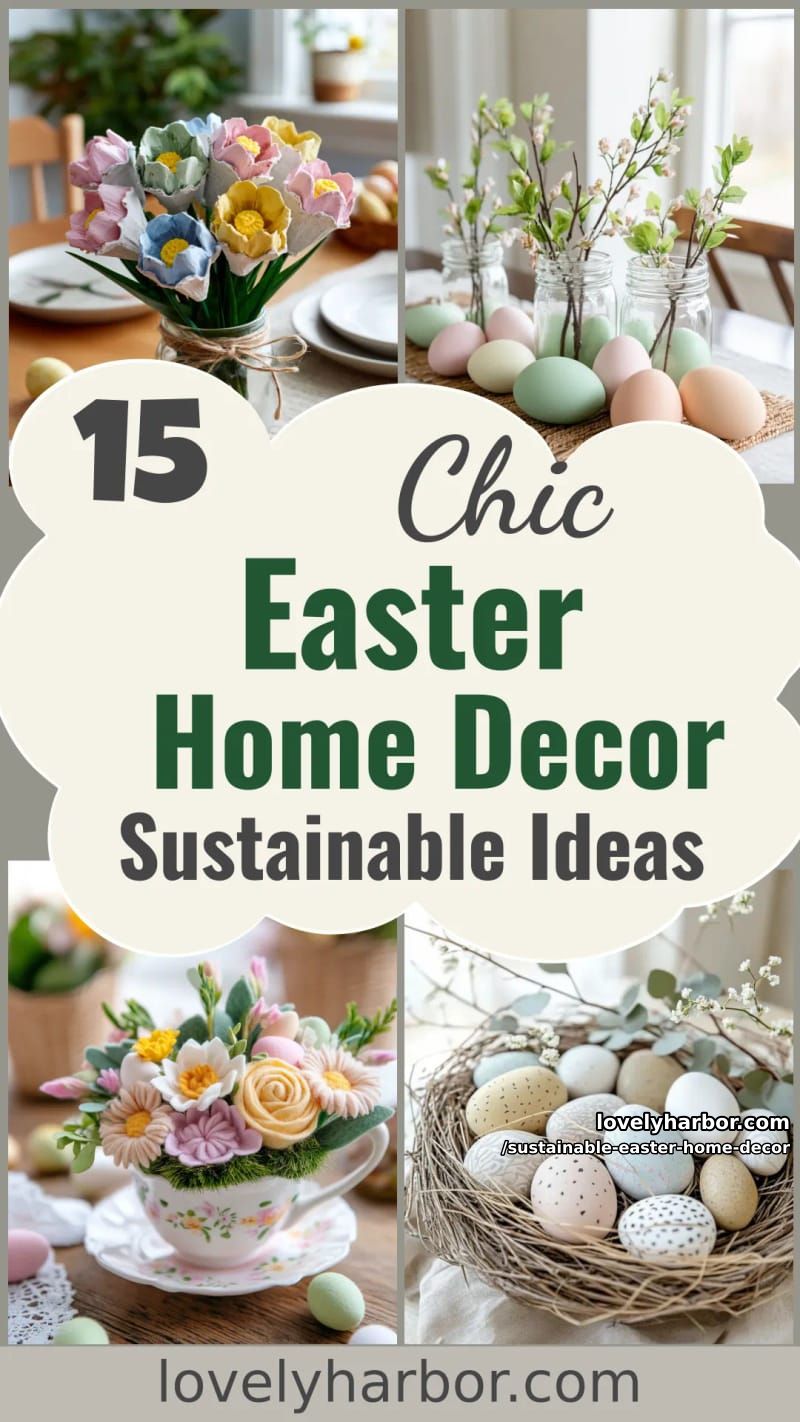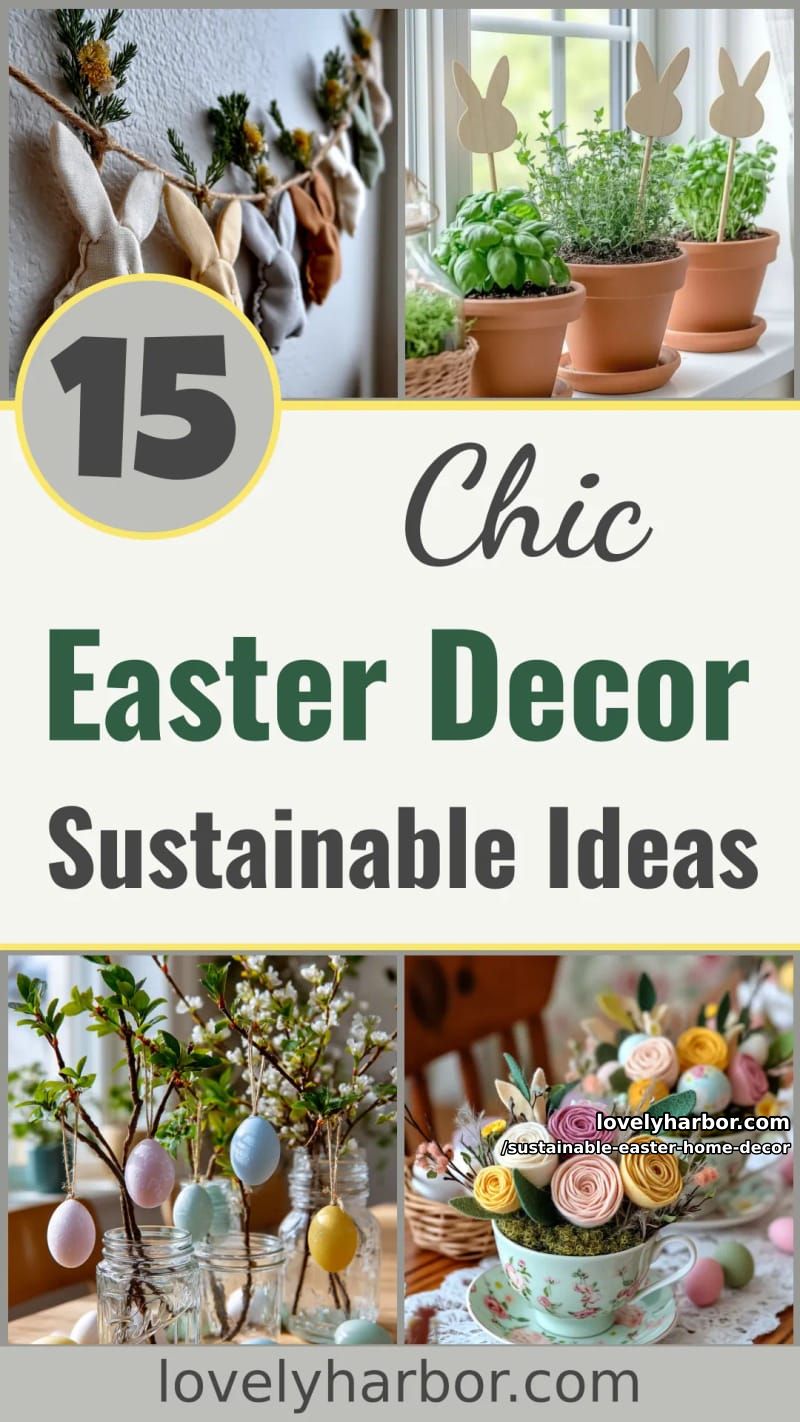
Ready to give your Easter a fresh twist? Sustainable Easter home decor adds color and fun to your space, without hurting the planet.
Imagine bright eggs, natural textures, and creative touches, all made from things you probably already have or can reuse.
Why settle for the usual plastic bunnies? With a handful of simple swaps, you can decorate in a way that feels good and looks even better.
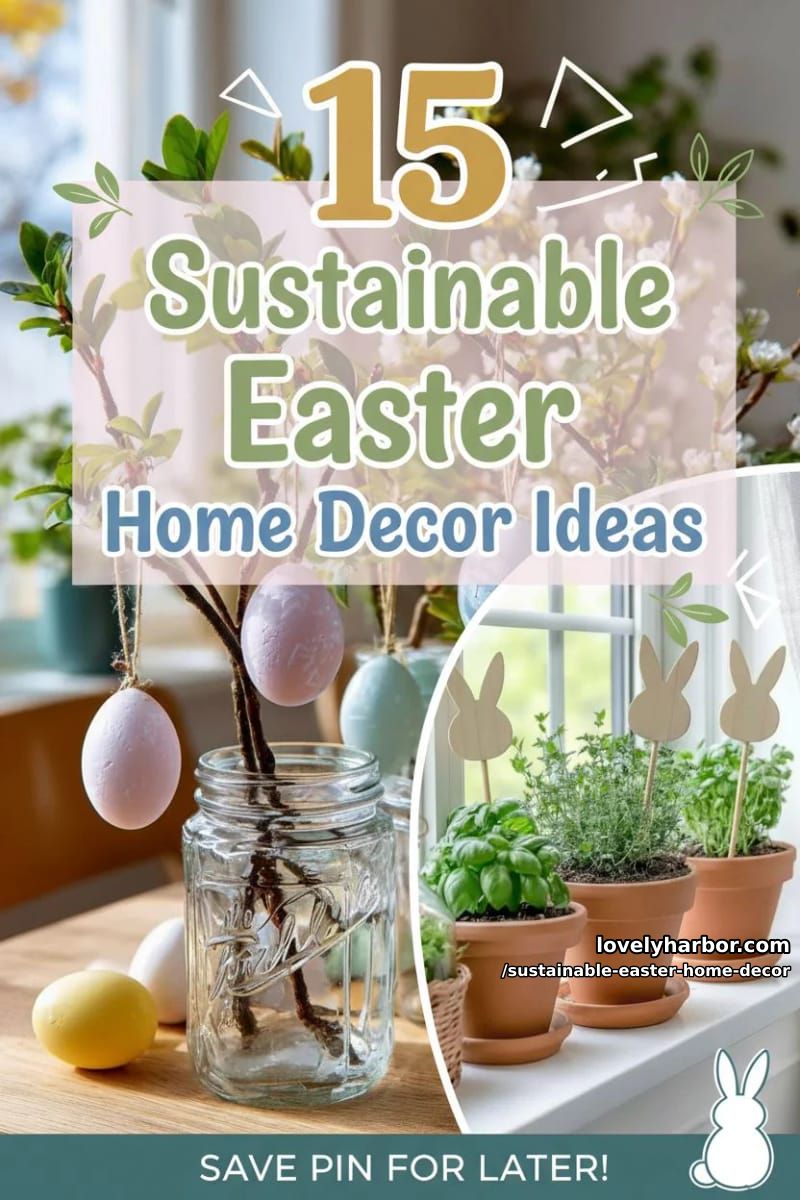
These ideas are easy, affordable, and perfect for anyone who wants a greener celebration this spring.
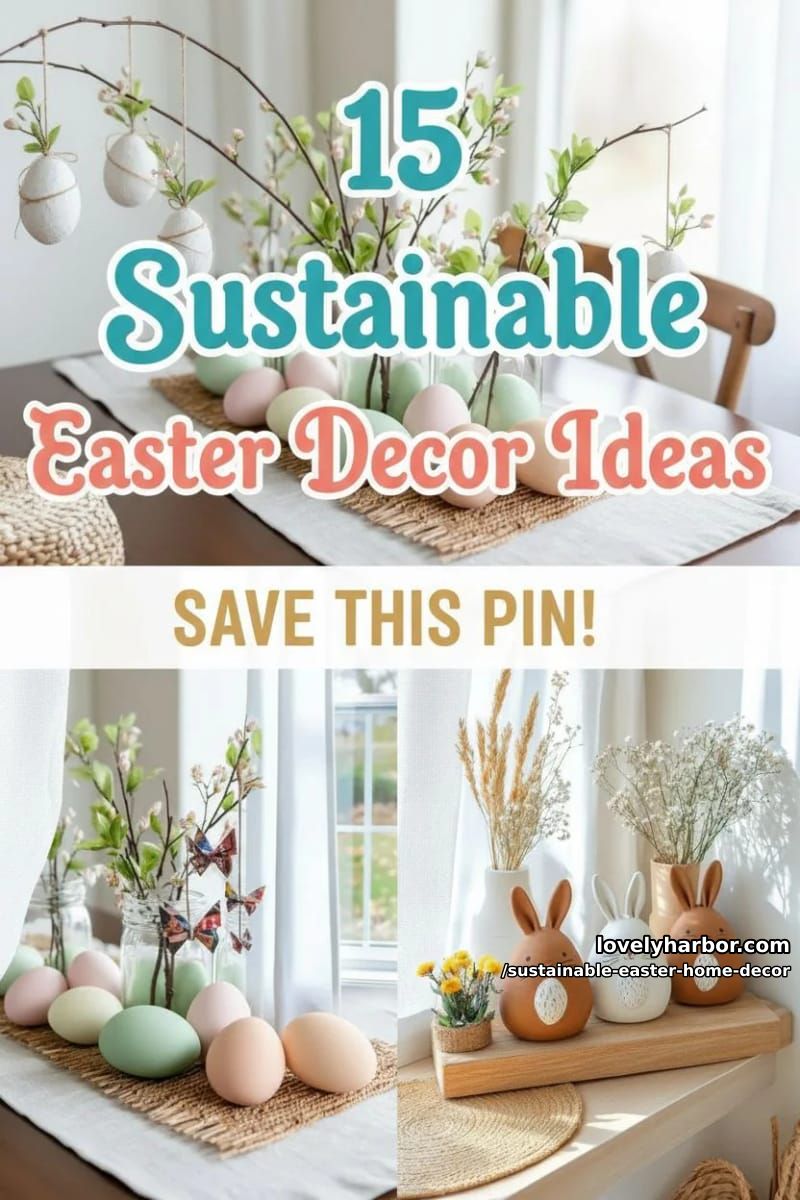
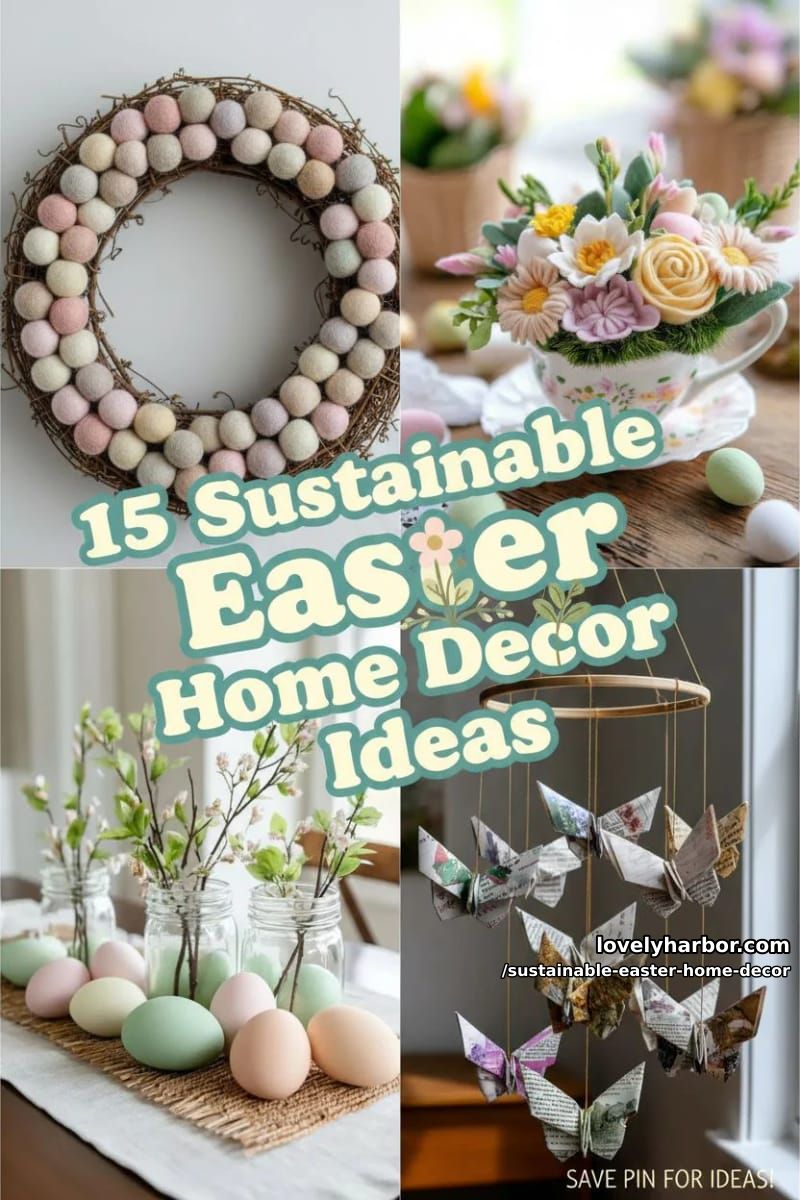
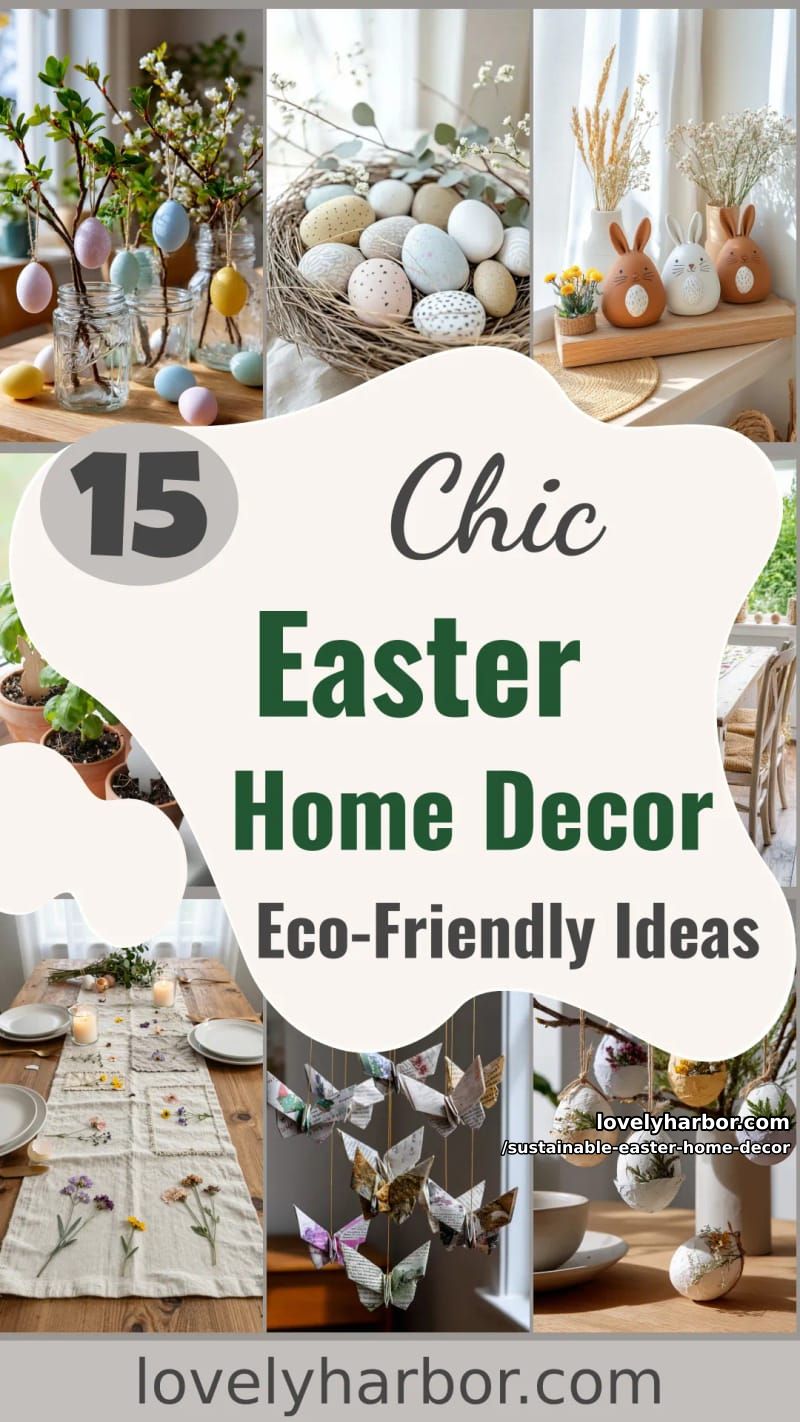
1. Upcycled glass jar vases with spring branches and pastel-painted eggs
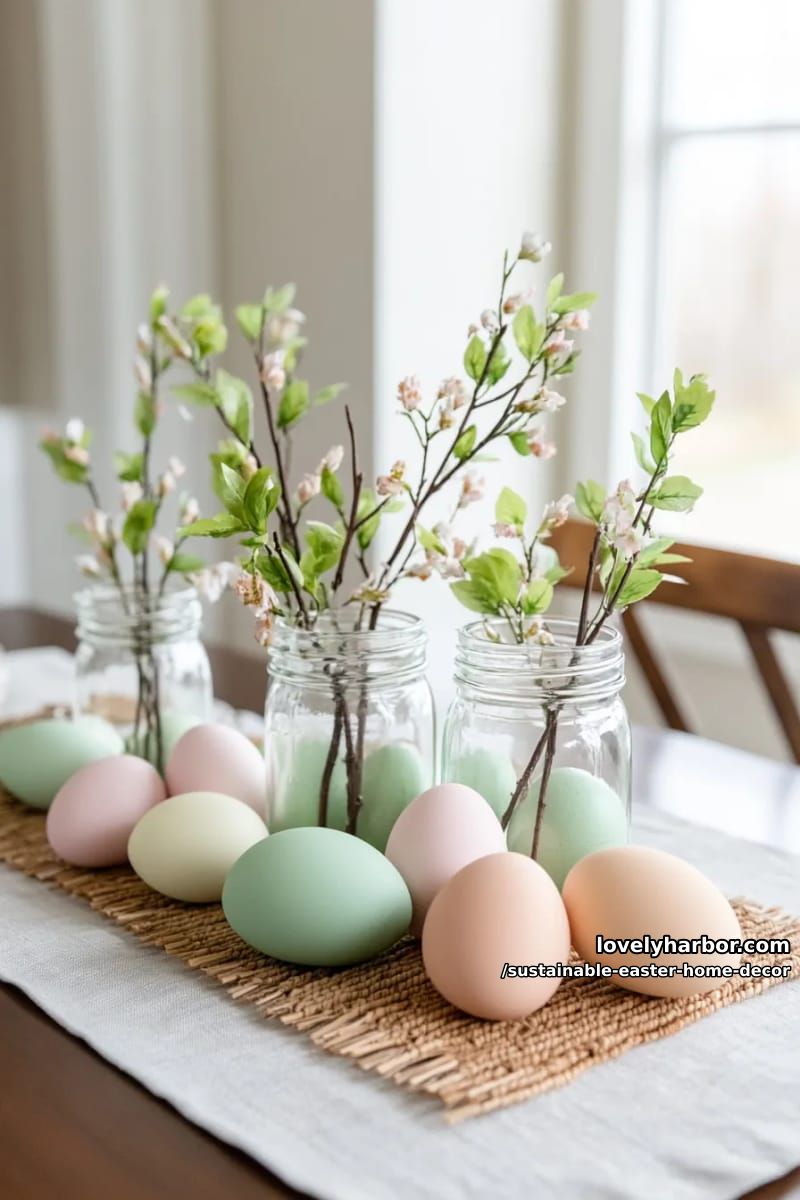
Why toss those empty glass jars when you can give them a second act as eye-catching vases? Pop in a few spring branches, think cherry blossom or forsythia, for a fresh, natural vibe.
Add pastel-painted eggs to the mix for a cheerful splash of color that says, “Easter, but make it eco-friendly.”.
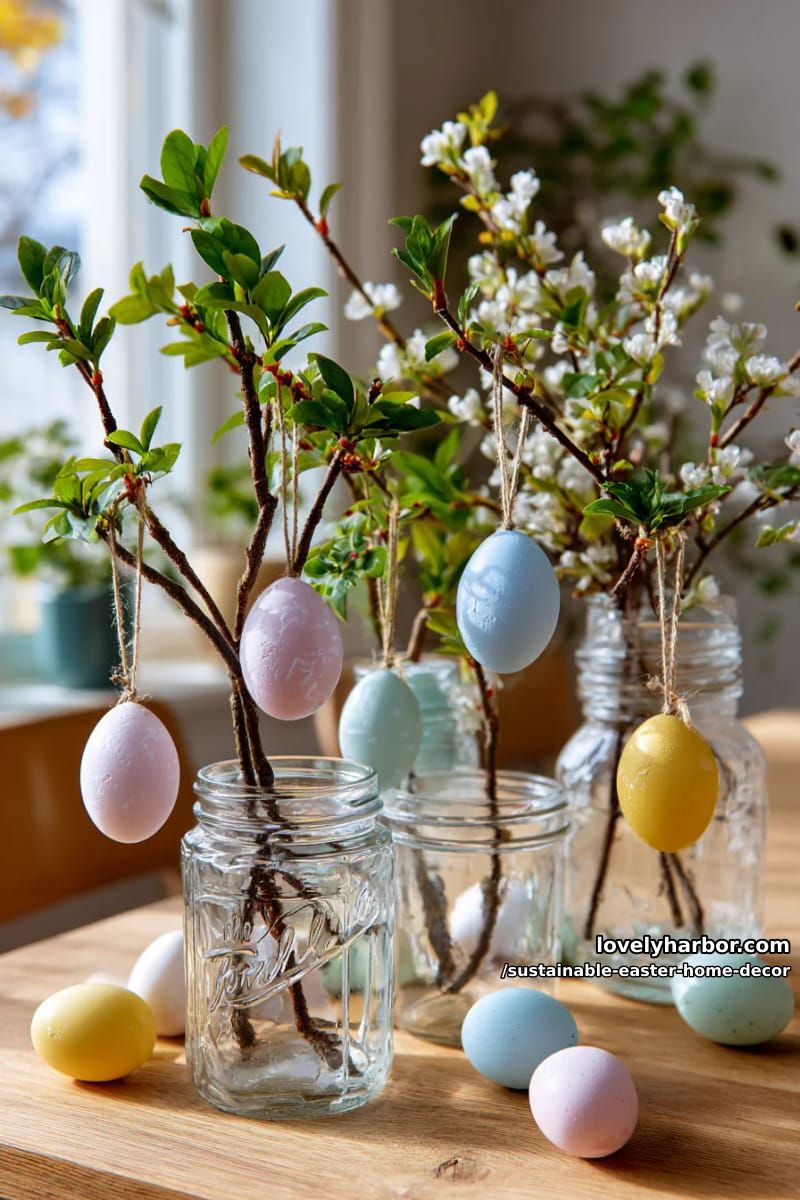
This approach is wallet-friendly and reduces waste. Anyone can raid their recycling bin and grab a bit of paint for the eggs. It’s quick, fun, and easy for kids, too.
The only hitch? Glass jars can be fragile, so keep them out of reach of curious little hands and clumsy elbows.
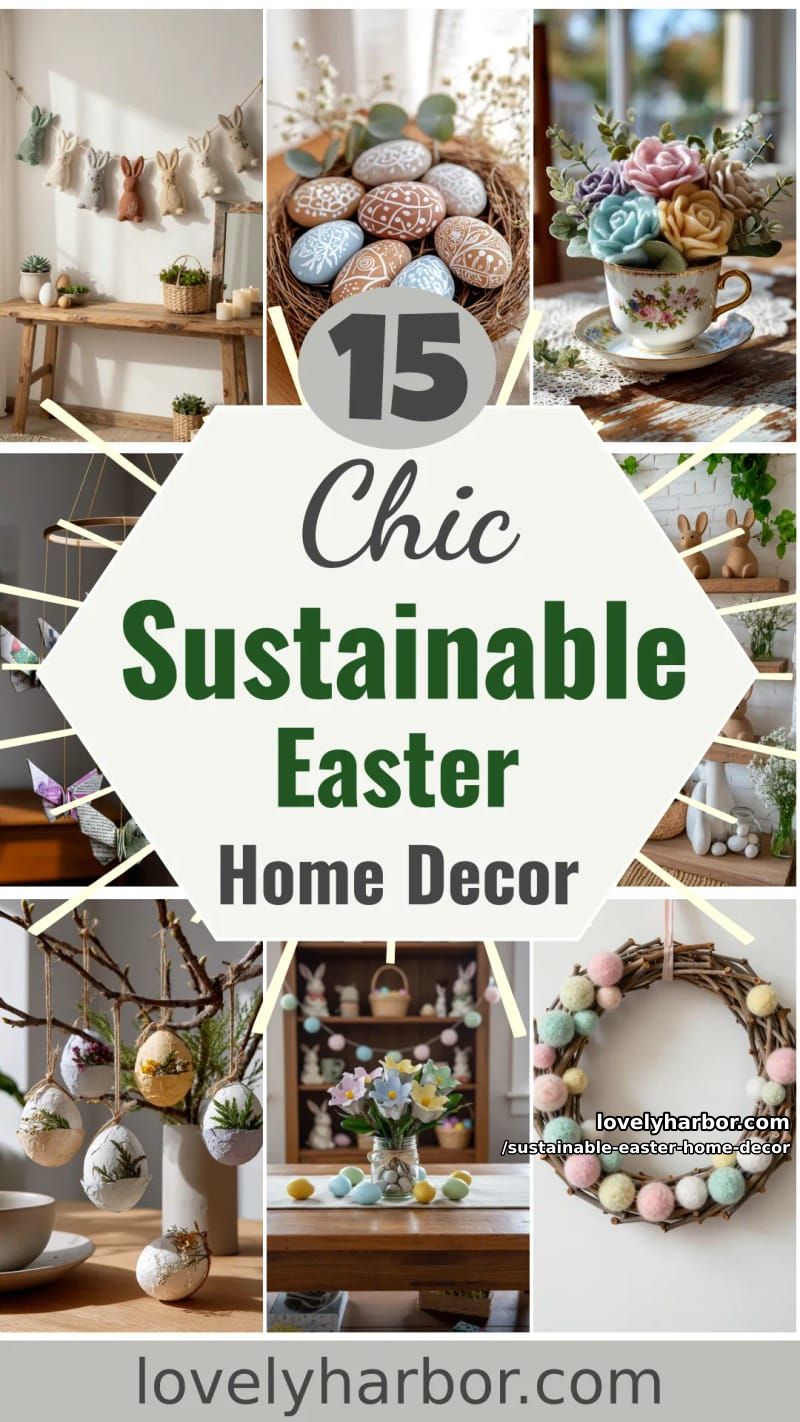
2. Reusable fabric bunny garlands in soft earth tones for wall accents
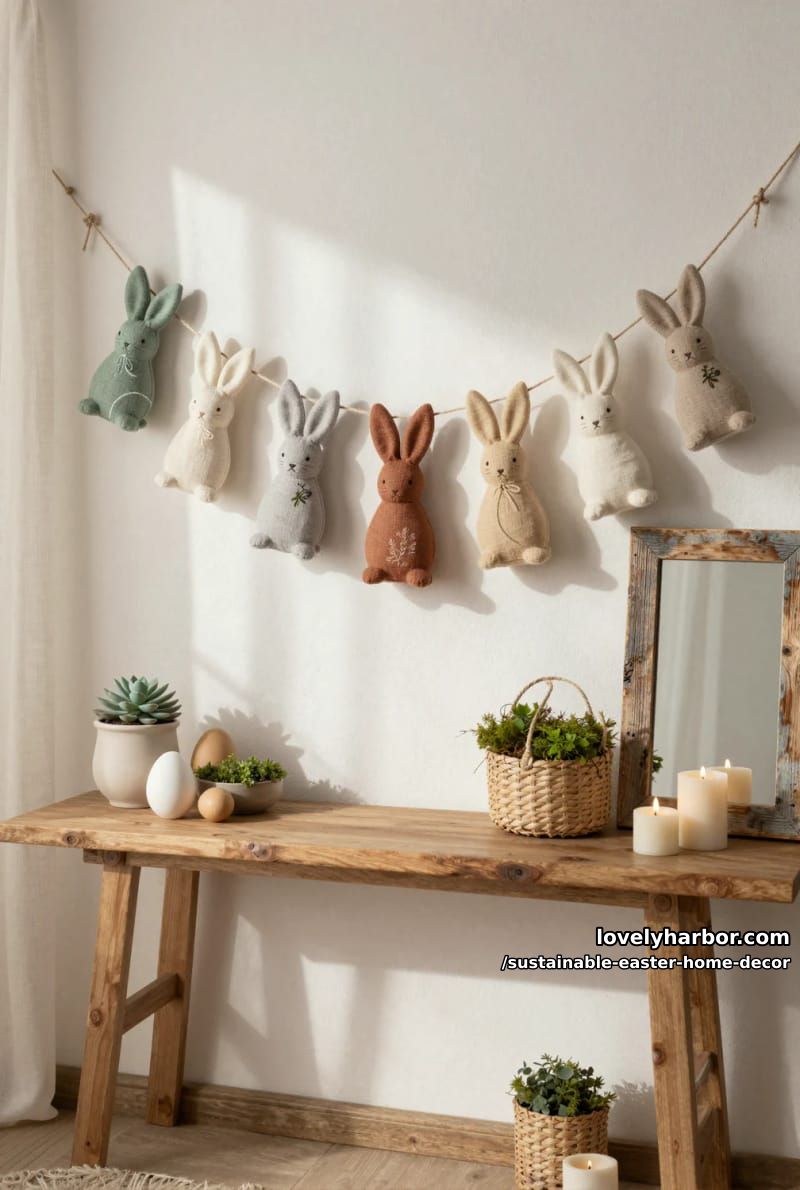
Reusable fabric bunny garlands offer a gentle touch to Easter decorating. Soft earth tones, think sage, clay, and ivory, blend easily with most rooms.
Why buy single-use plastic banners every year? Swap them out for washable, long-lasting garlands that fold up small for storage. Earth gets a break, and your wallet does, too.
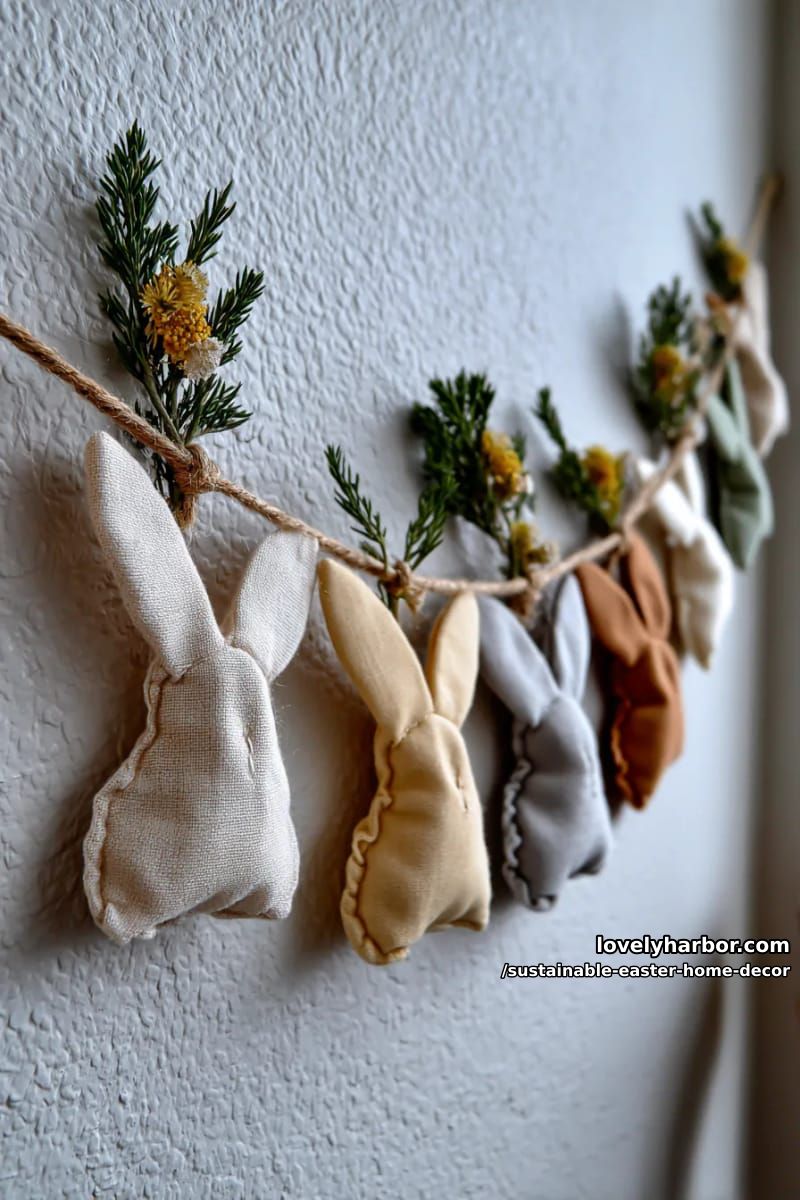
Handmade versions often use linen or cotton scraps, making each garland slightly different. They’re simple to hang, even for kids.
The only drawback: you may need to iron them after storage, but that’s a small price for eco-friendly charm that doesn’t scream “disposable.”.
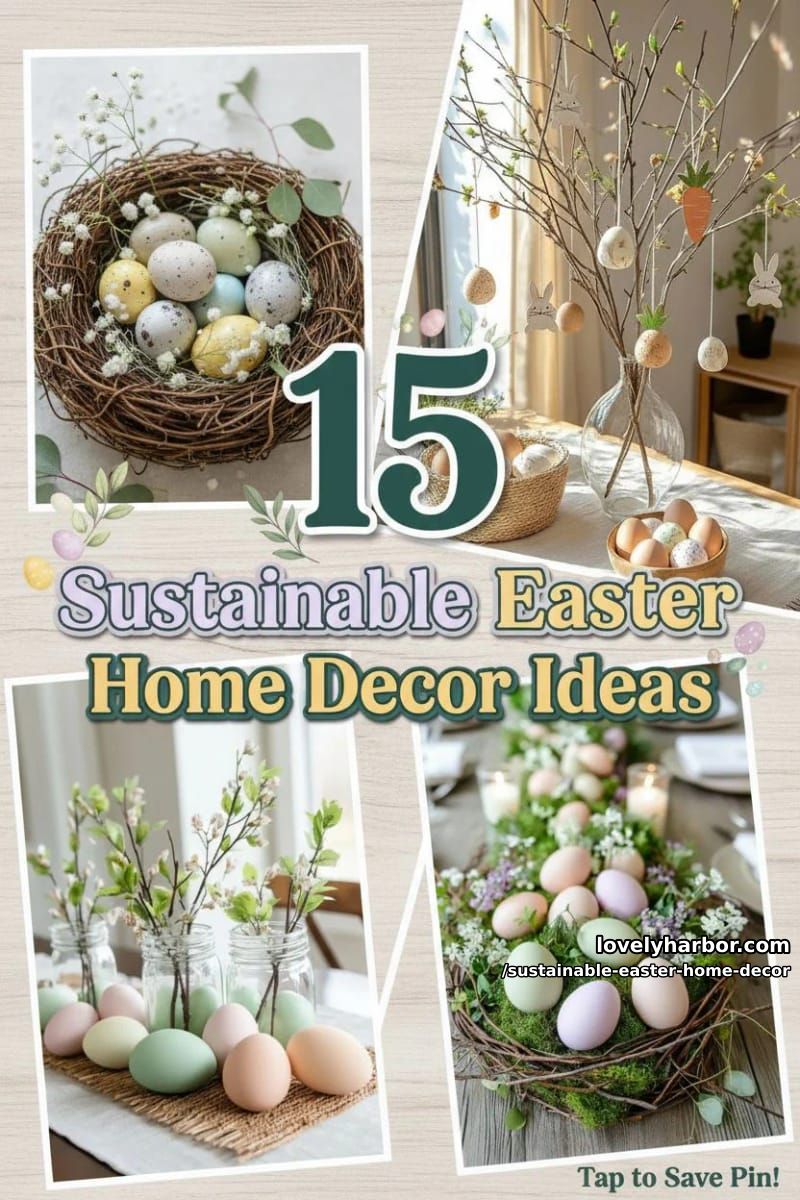
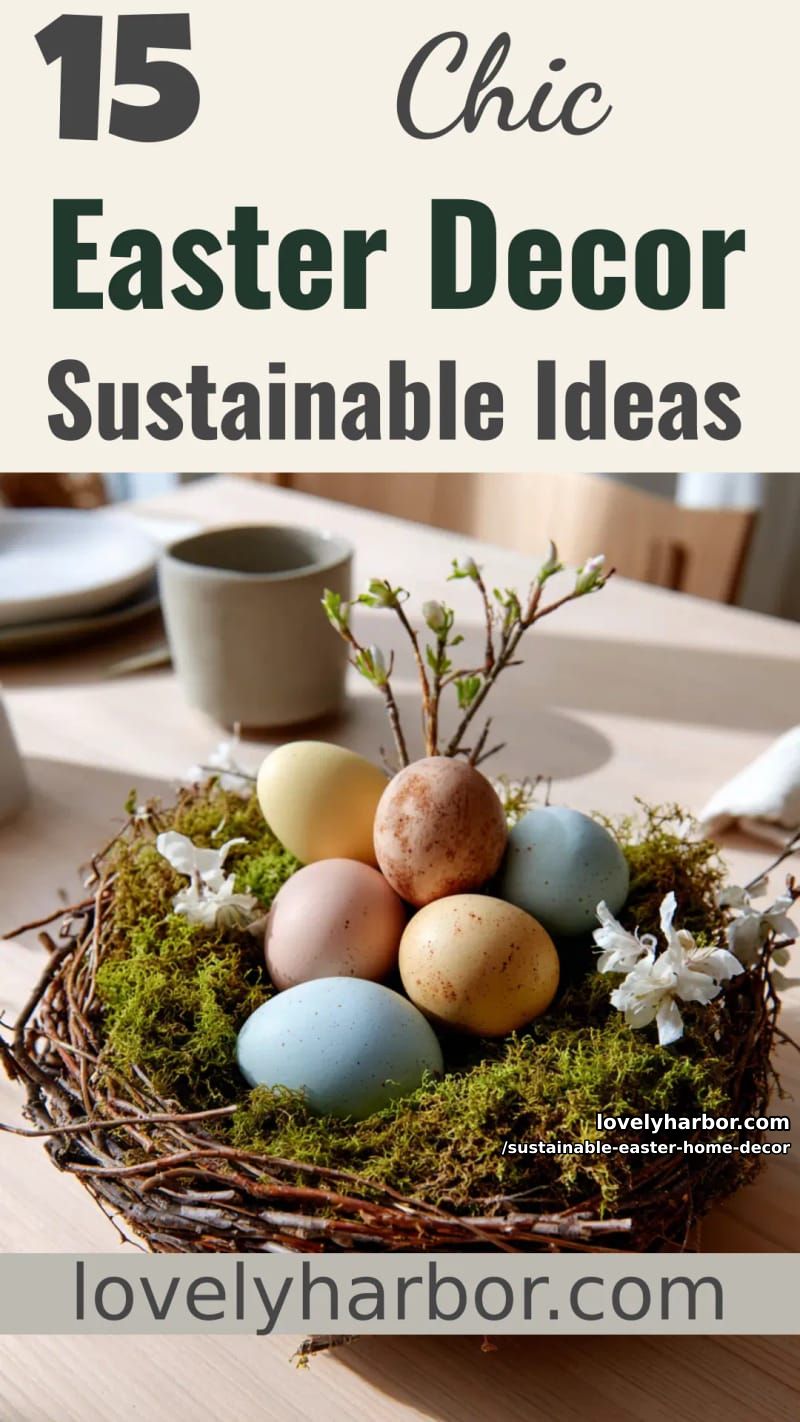
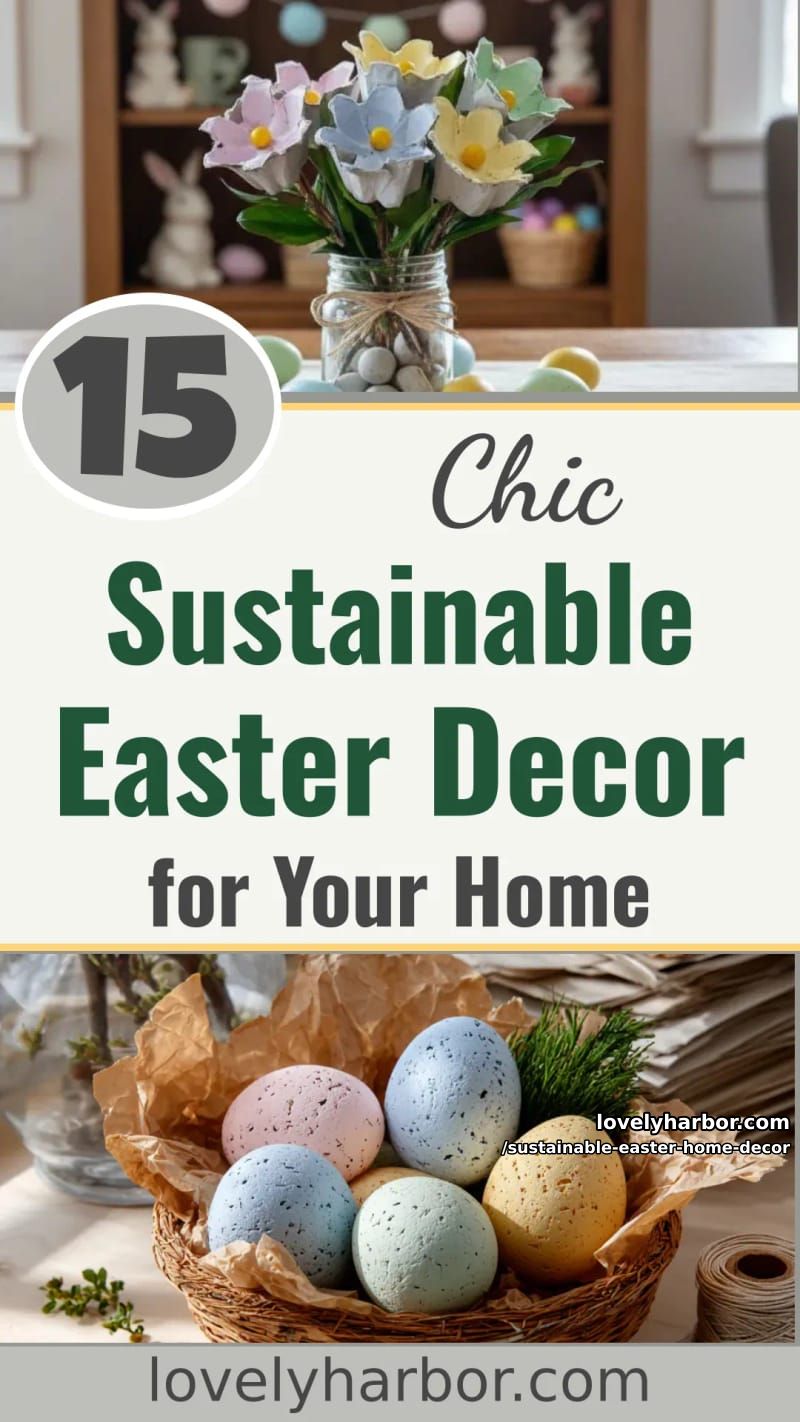
3. Moss and twig Easter centerpiece with naturally dyed eggs
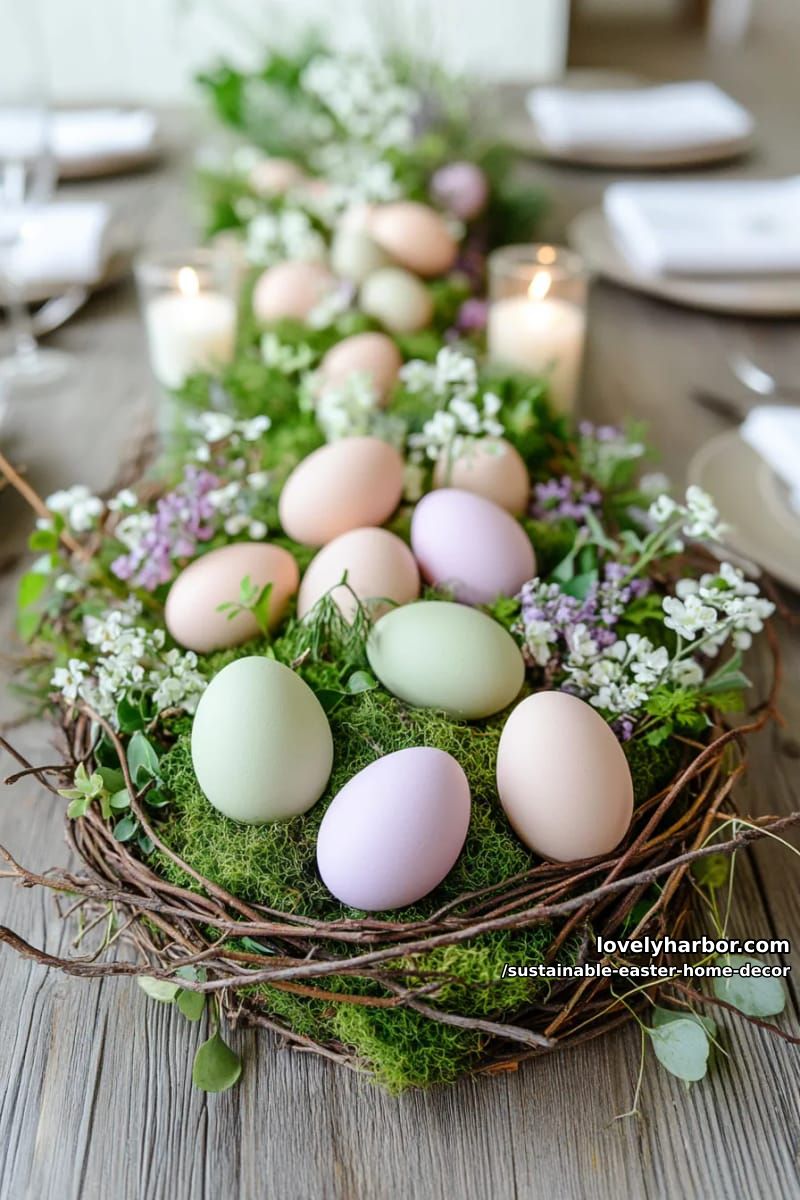
Why buy plastic decorations when nature hands you moss, twigs, and eggshells for free? Crafting an Easter centerpiece from these materials brings freshness and charm to any table.
Arrange soft moss and sturdy twigs in a bowl, then nestle in eggs colored with beetroot, turmeric, or red cabbage.
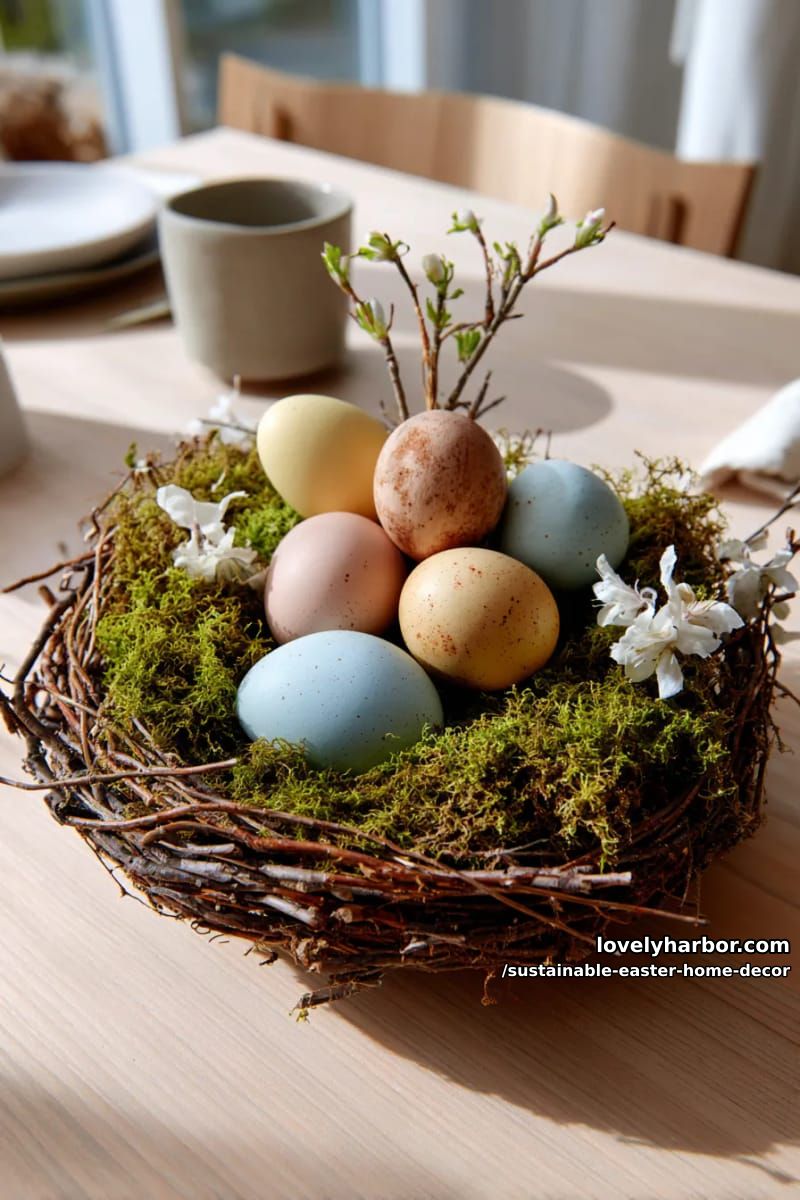
This method skips waste and celebrates the beauty of imperfections, no two eggs or twigs look exactly alike. If you compost afterward, it’s guilt-free.
It might not last as long as store-bought decor, but isn’t that the point? Enjoy the fleeting beauty, then return it to the earth.
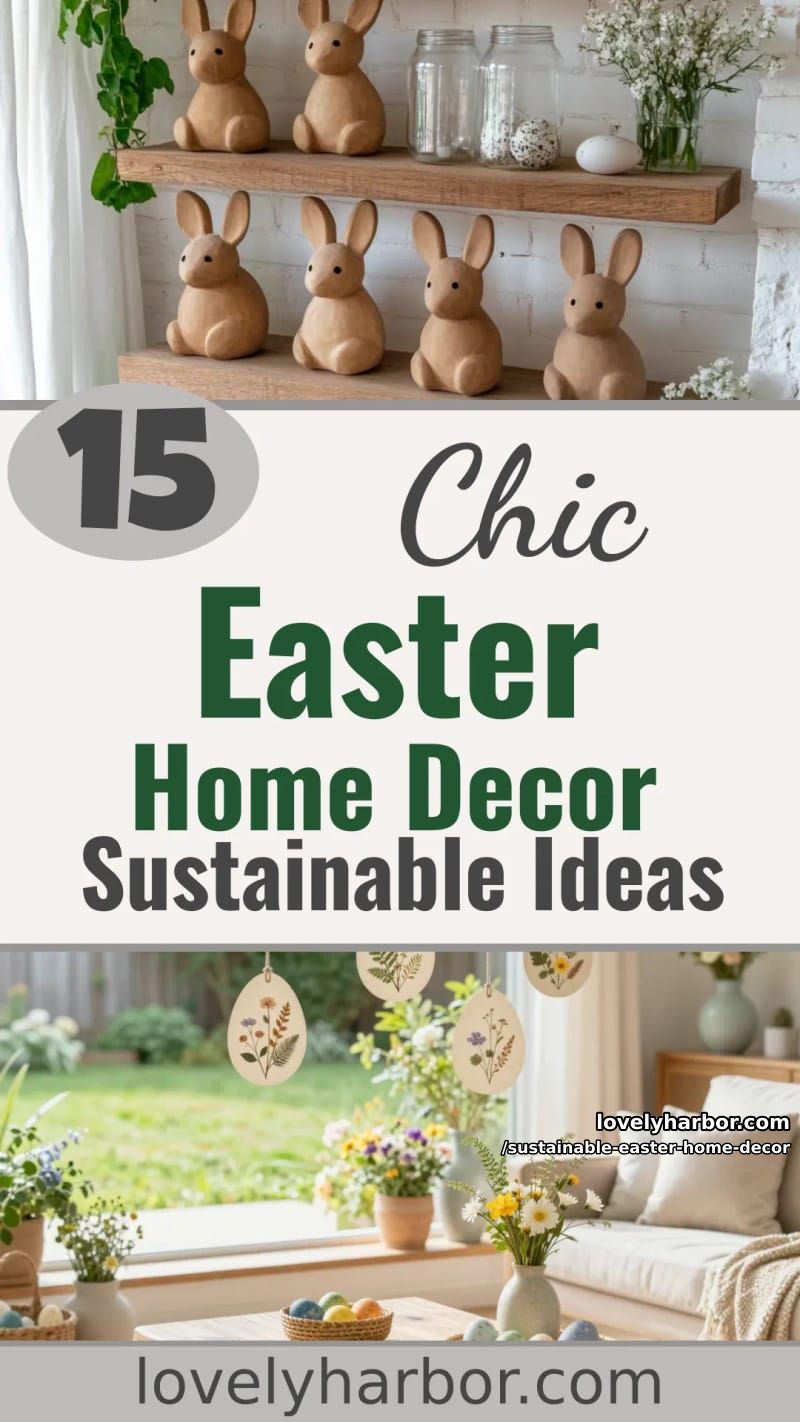
4. Hanging egg ornaments crafted from recycled paper and dried botanicals
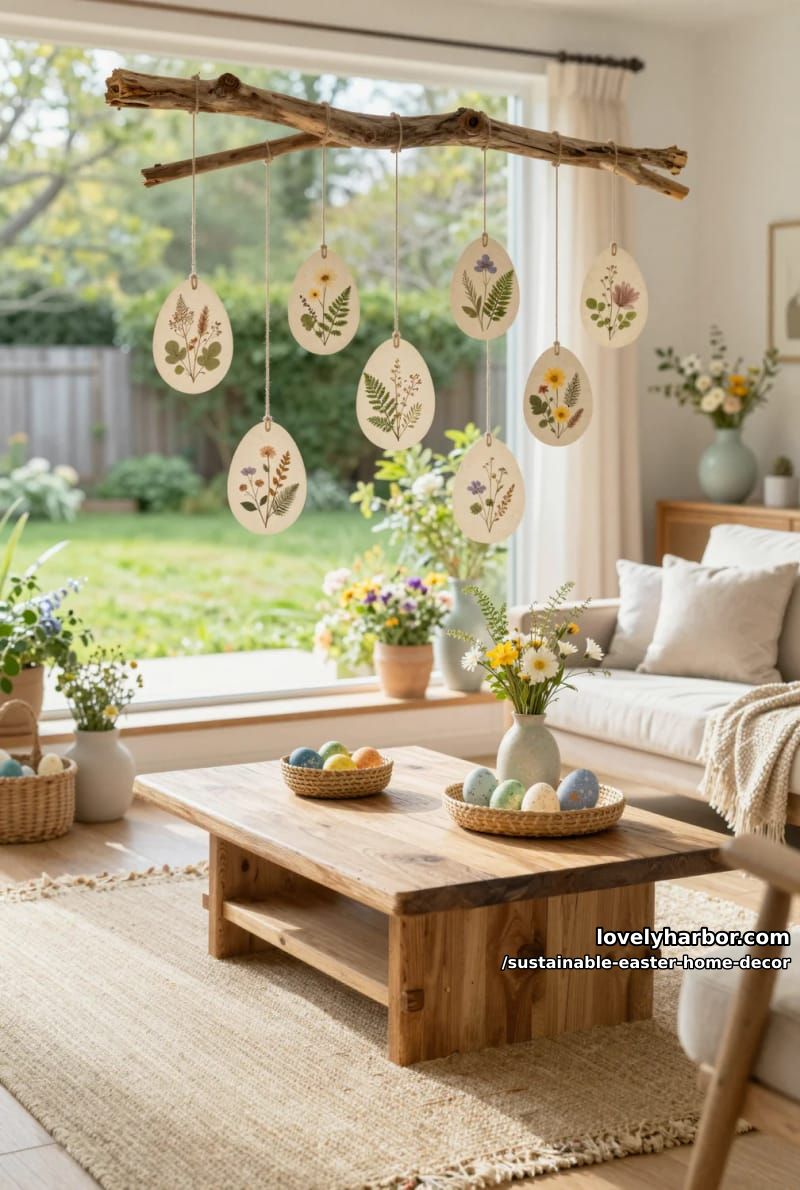
Hanging egg ornaments made from recycled paper and dried botanicals offer a fresh take on holiday decor. These ornaments save waste from landfills and bring natural beauty indoors.
Imagine delicate blossoms pressed against textured paper, each piece a conversation starter. Why buy plastic eggs when you can craft something truly meaningful?
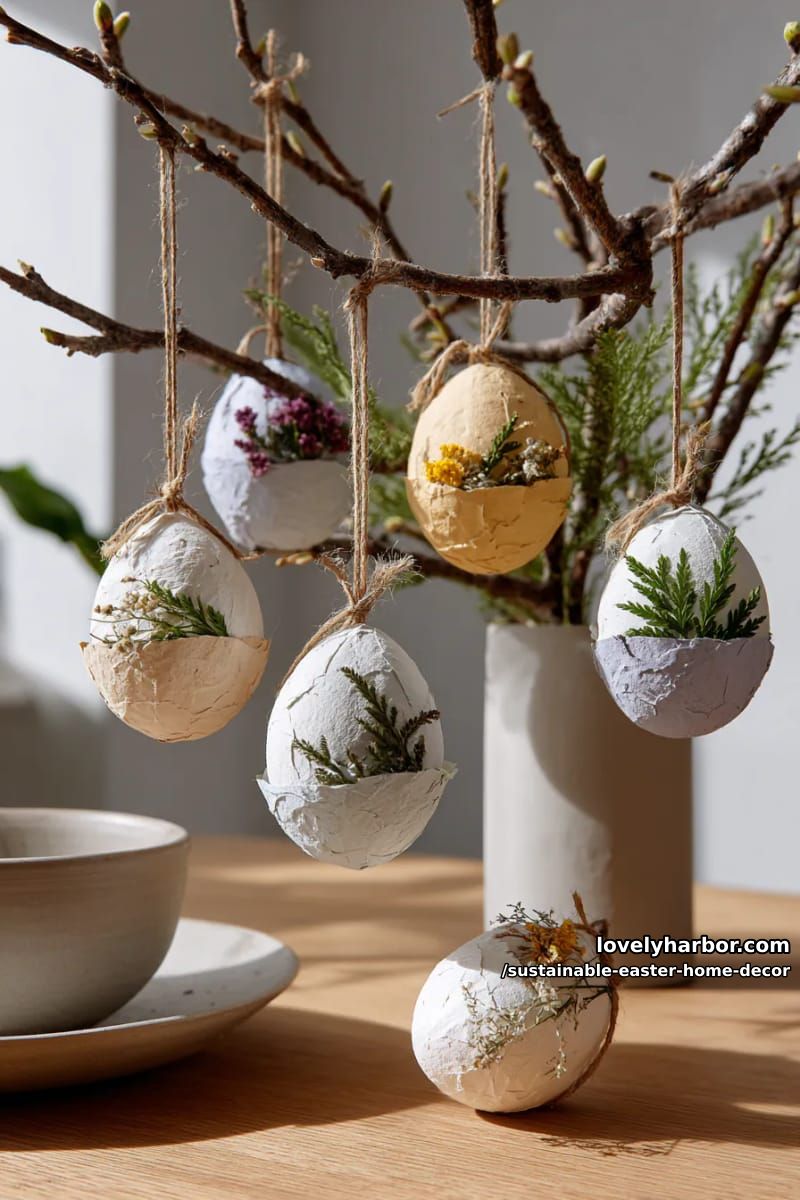
Making them is surprisingly simple. Collect scraps of paper, blend them with water, and mold around an egg shape. Press in dried flowers or leaves before the paper dries. Hang with twine.
This project turns recycling into art and keeps your Easter setup gentle on the planet.
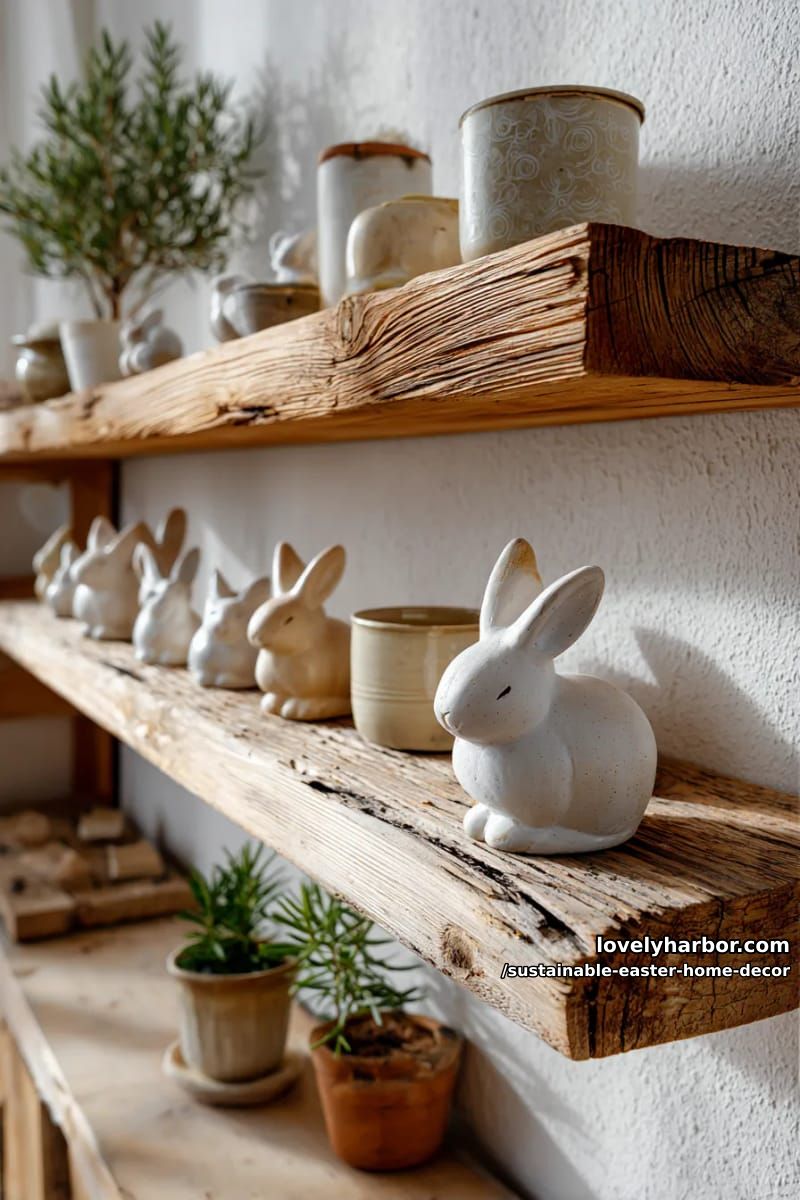
5. Minimalist clay bunny figurines on reclaimed wood shelves
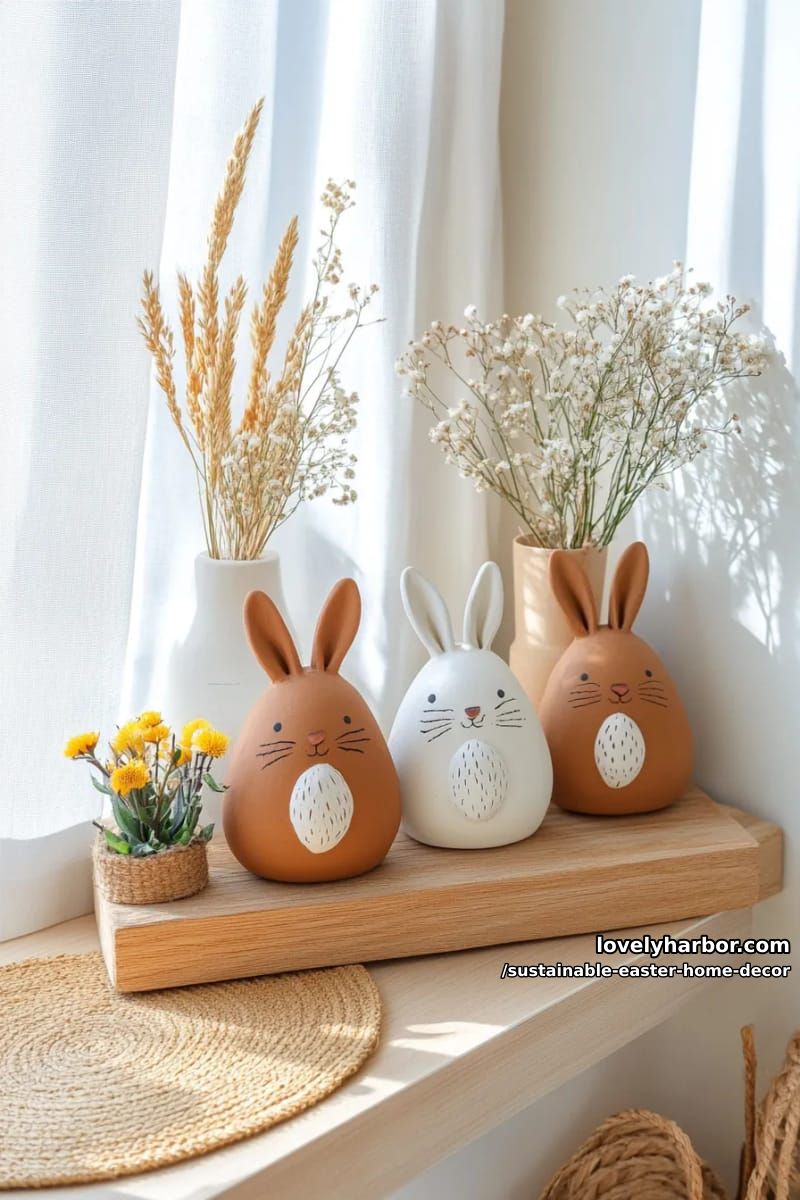
Minimalist clay bunny figurines bring a fresh, playful vibe to Easter décor without overwhelming the space. Placing these simple shapes on reclaimed wood shelves creates a striking balance, soft curves meet rugged textures.
It’s a subtle nod to spring, offering visual interest while keeping clutter at bay.
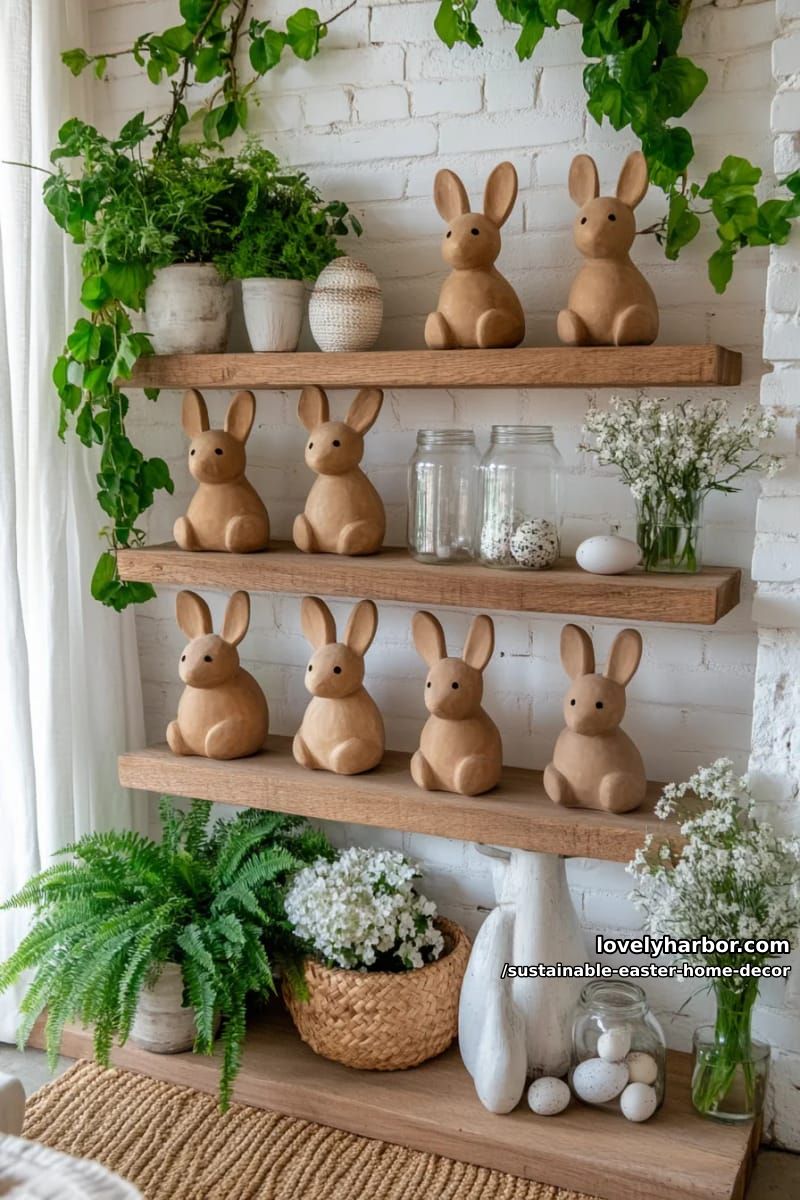
This combo isn’t just pretty; it’s eco-friendly. Handmade clay uses fewer resources than mass-produced plastic, and reclaimed wood keeps old boards out of landfills.
Why not swap plastic bunnies for these understated alternatives? They’re charming, easy to clean, and send a clear message: style and sustainability can work hand in hand.
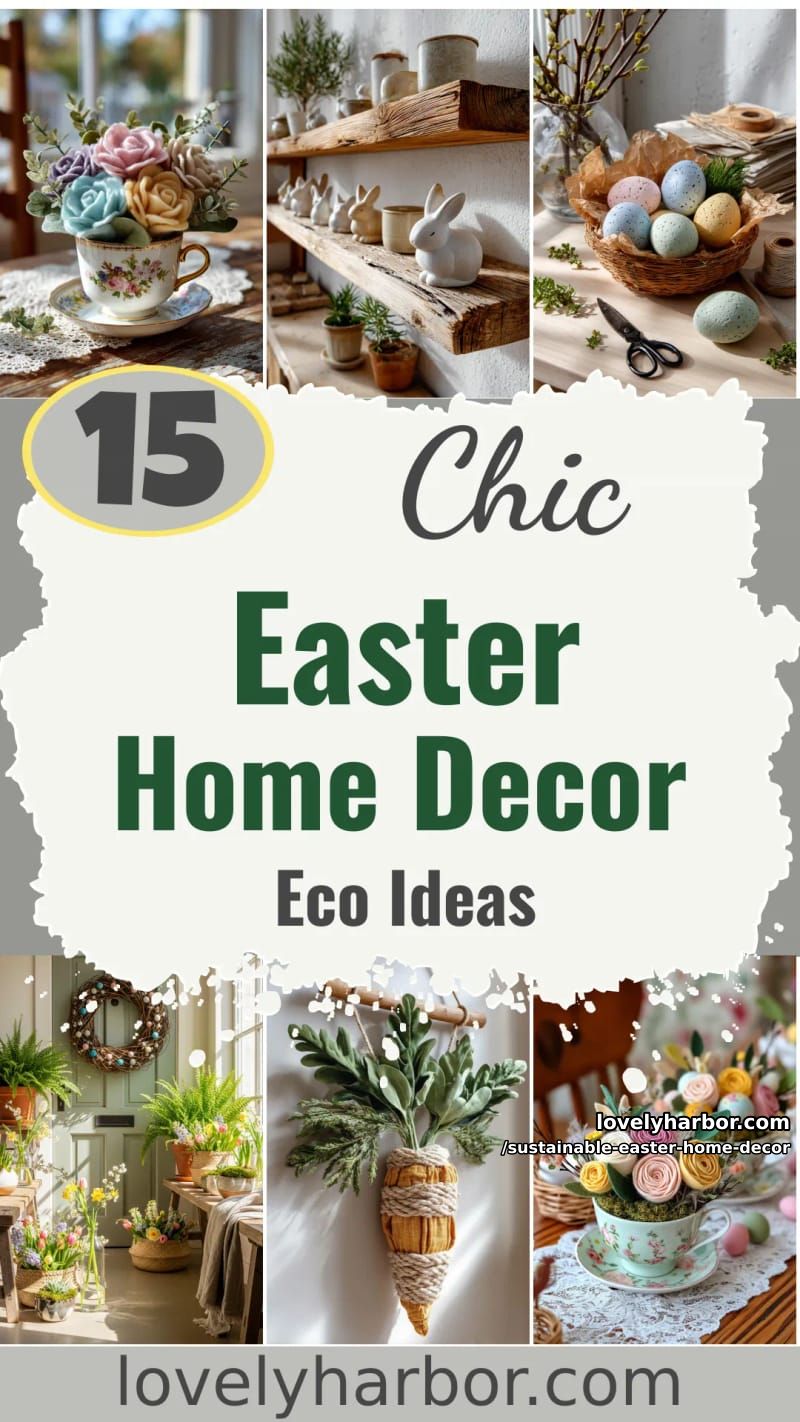
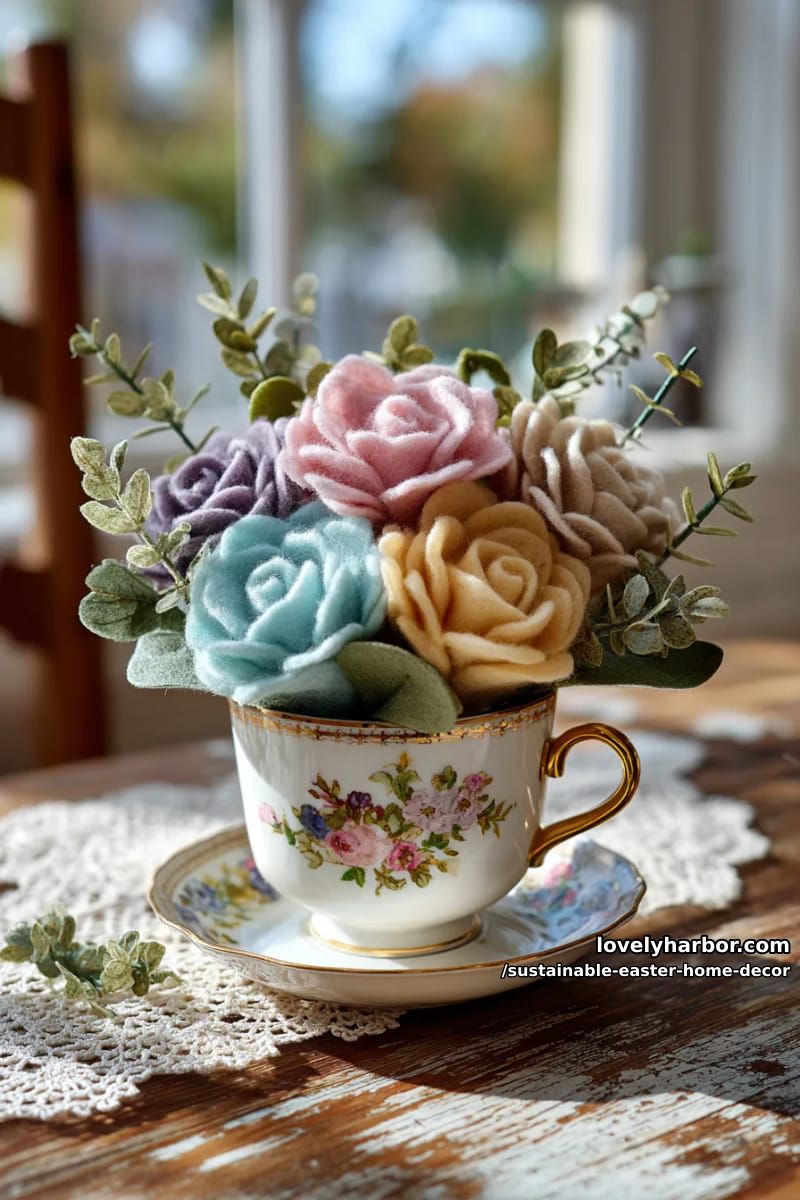
6. Felt flower bouquet in vintage teacups for a cottagecore vibe
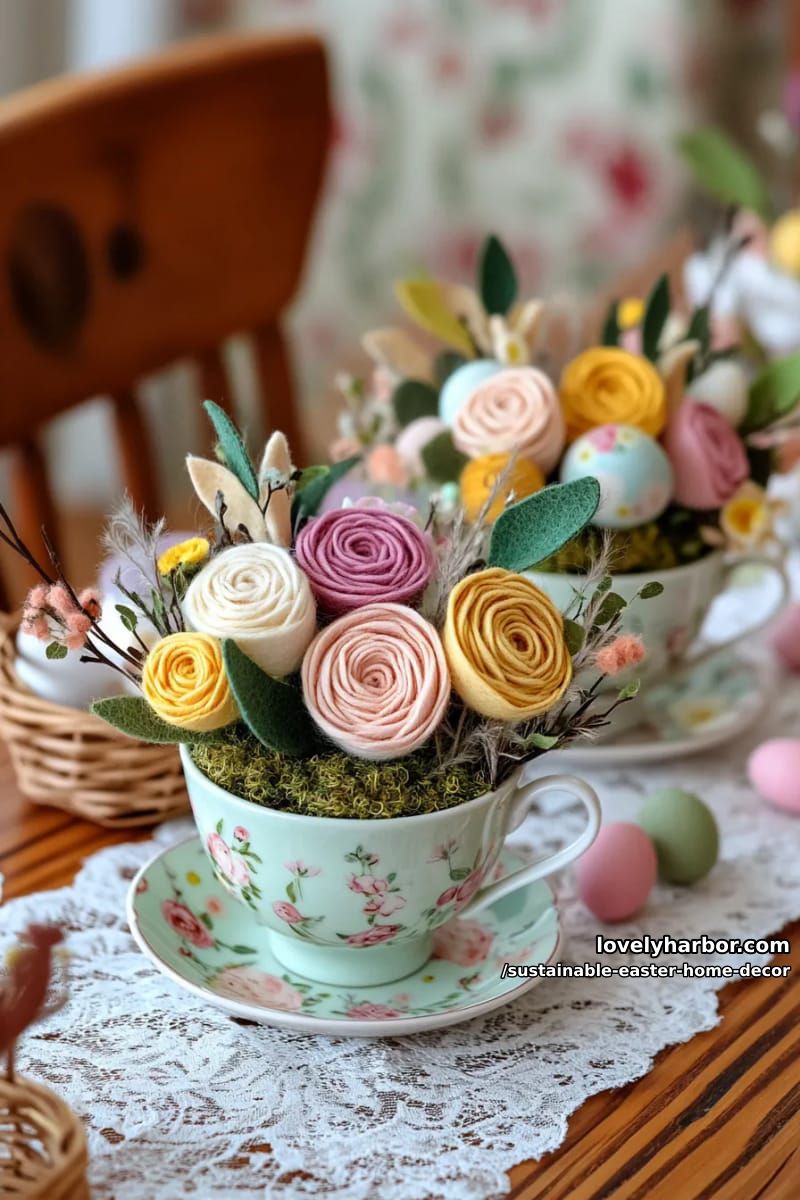
Repurposing old teacups for felt flower bouquets brings instant cottagecore charm to your Easter table. This project keeps waste in check and adds whimsy.
Felt flowers last longer than fresh, so you skip weekly replacements. Plus, children can help, making it a joyful, hands-on tradition for all ages.
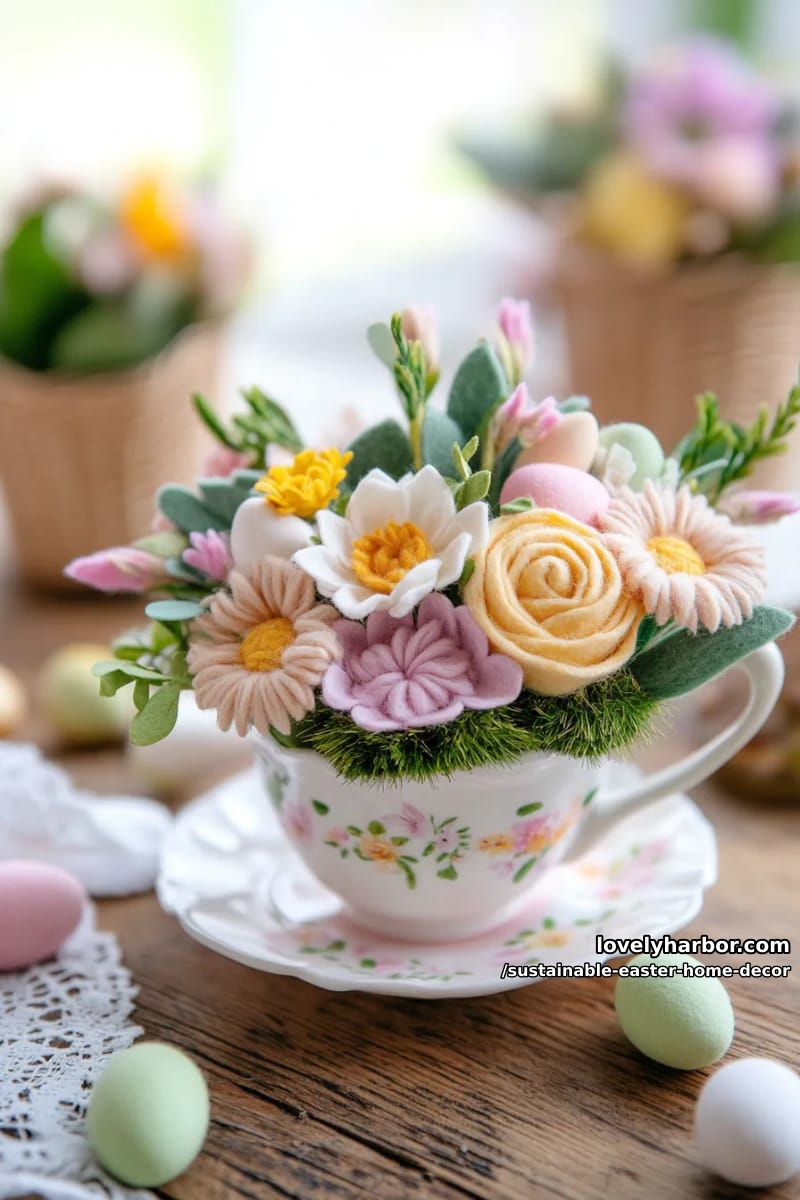
On the downside, felt crafting takes patience and a steady hand. If you’re after a hyper-realistic look, felt may fall short.
Yet, the cheerful colors and soft textures steal the spotlight, turning any nook into a storybook setting. Isn’t a low-maintenance, eco-friendly bouquet worth a spot on your windowsill?
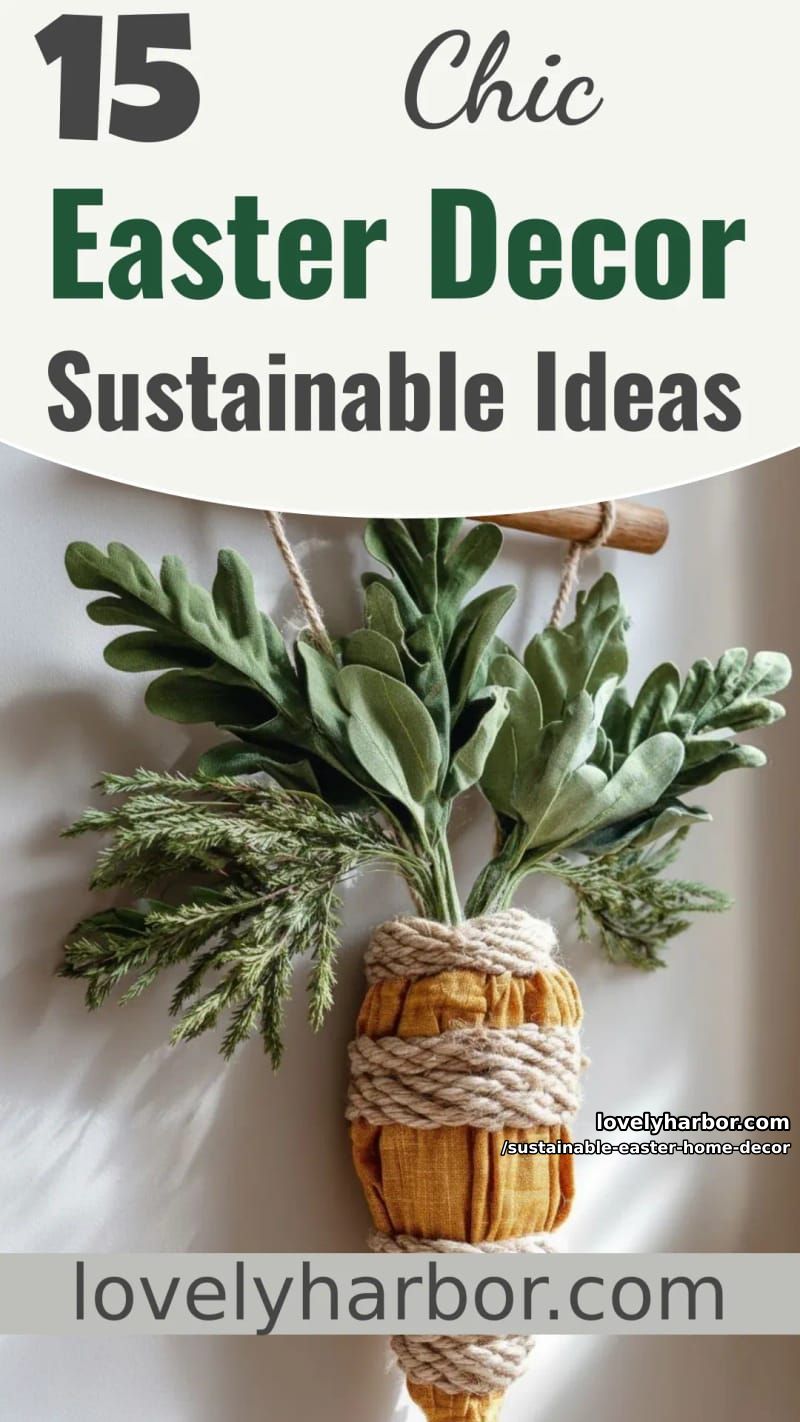
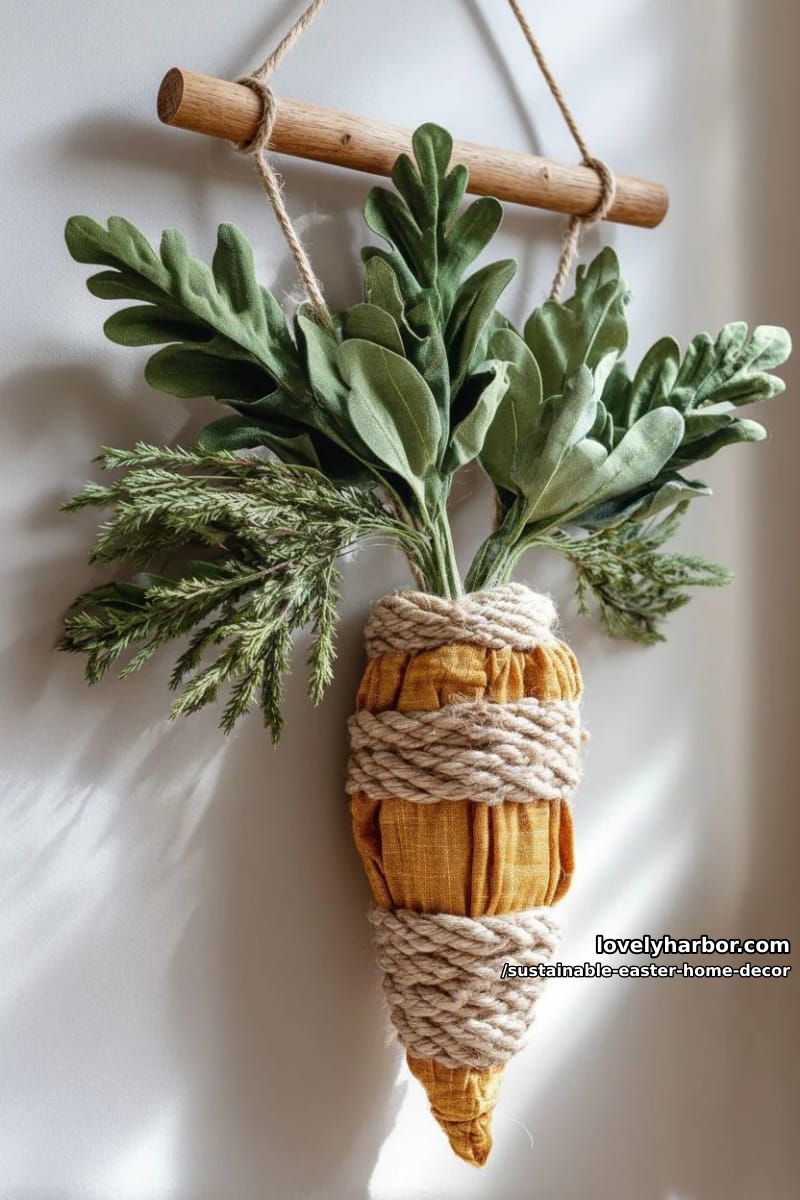
7. Woven carrot wall hanging using jute and scrap orange fabric
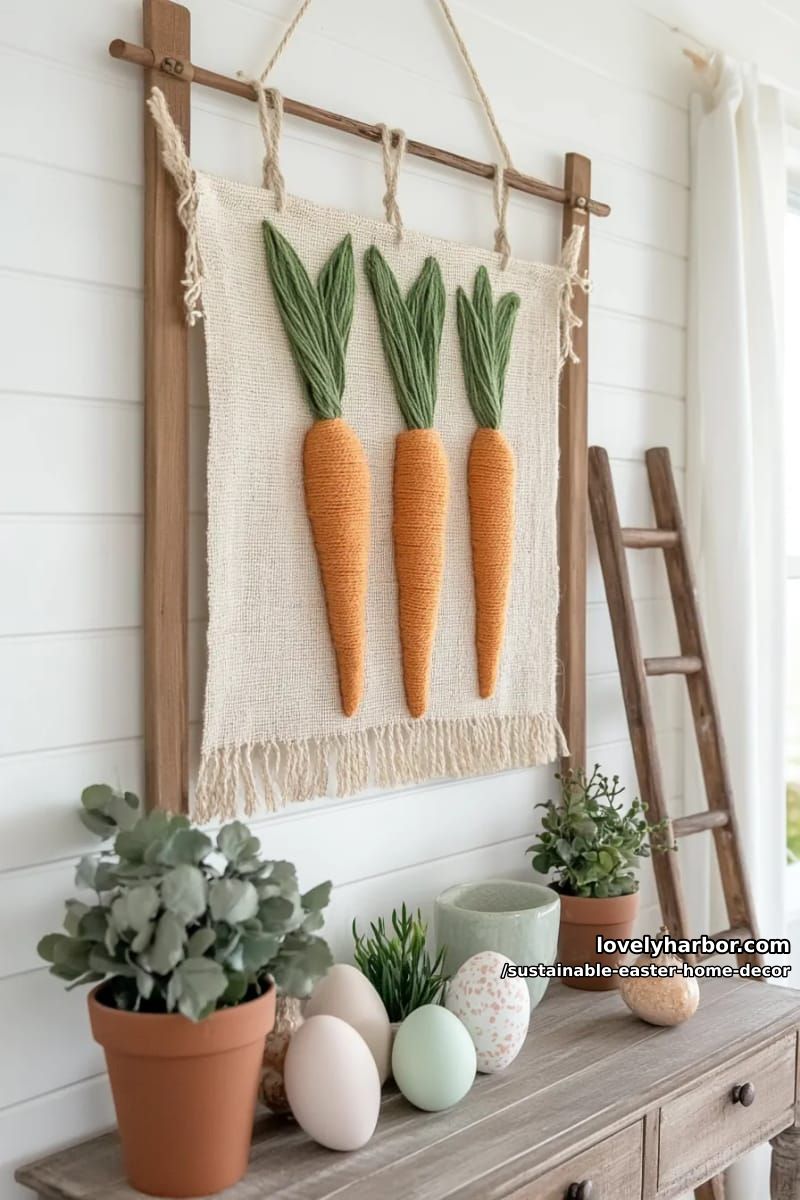
Thinking of adding a touch of spring to your walls? Try a woven carrot wall hanging. Jute twine brings earthy texture, while leftover orange fabric gives the carrot its pop.
No fancy skills needed, just knot, twist, and glue. It’s simple, eco-friendly, and even kids can join in.
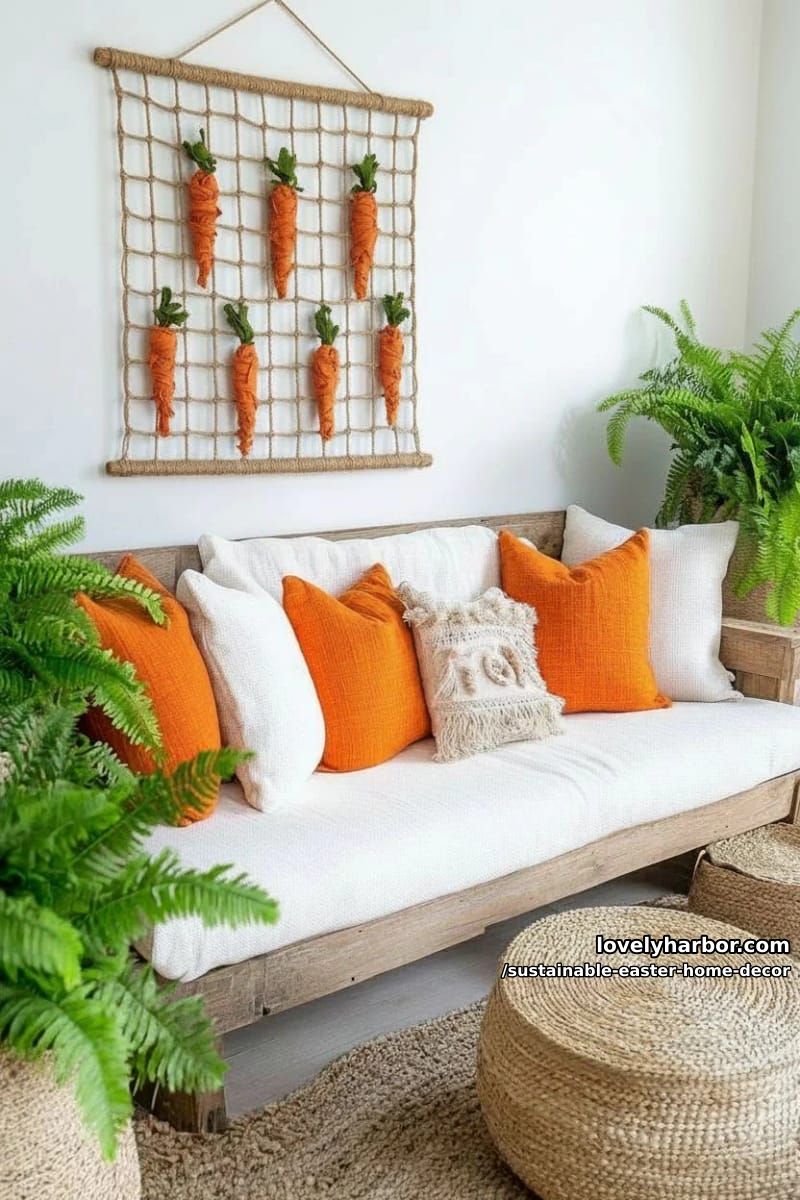
Besides being affordable, this project cuts waste by using fabric scraps. However, expect some fraying with older textiles, so trim edges or embrace a rustic look.
Why buy generic decorations when you can make something with meaning and a story? This craft makes Easter both festive and responsible.
8. Eco-friendly Easter tree made from bare branches and wooden ornaments
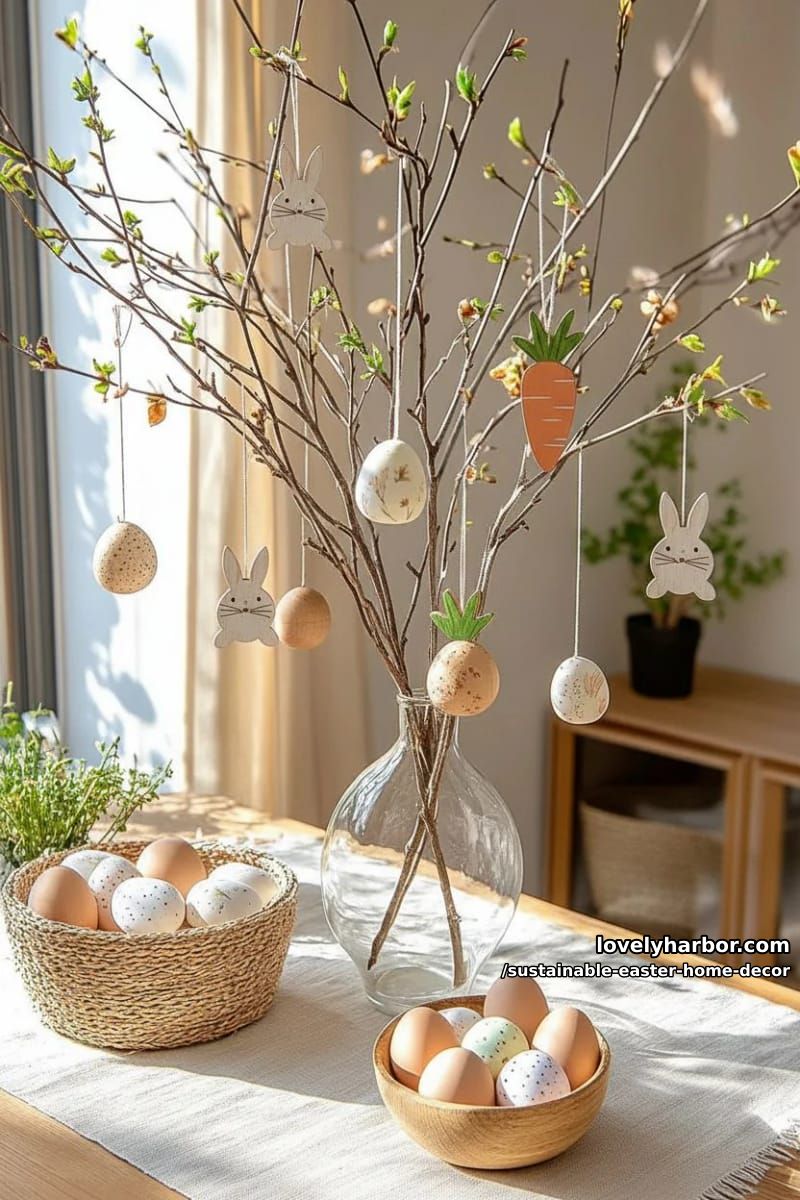
Forget plastic decorations; a simple bundle of bare branches in a vase makes a striking Easter tree. Gather twigs from your backyard or a local park.
Hang wooden eggs, bunnies, or tiny birds, many craft stores offer unfinished ornaments, ready for paint or natural stains. It’s minimal, modern, and waste-free.
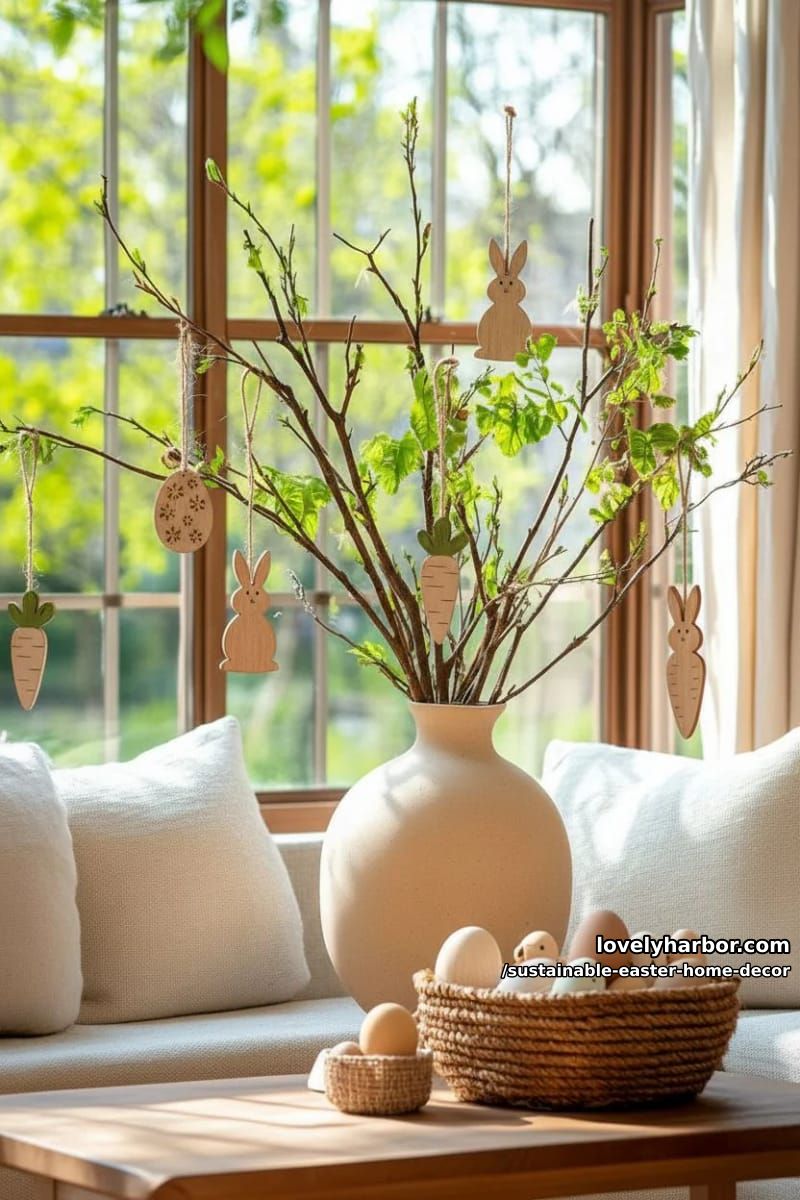
Ever wondered why we keep buying disposable decor? Wooden ornaments last for years and can be repainted or reimagined. Kids love decorating them, and you’ll skip the landfill guilt.
If you crave color, tie on fabric scraps or dried flowers. It’s a centerpiece that respects both tradition and the environment.
9. Rustic table runner from linen scraps adorned with pressed wildflowers
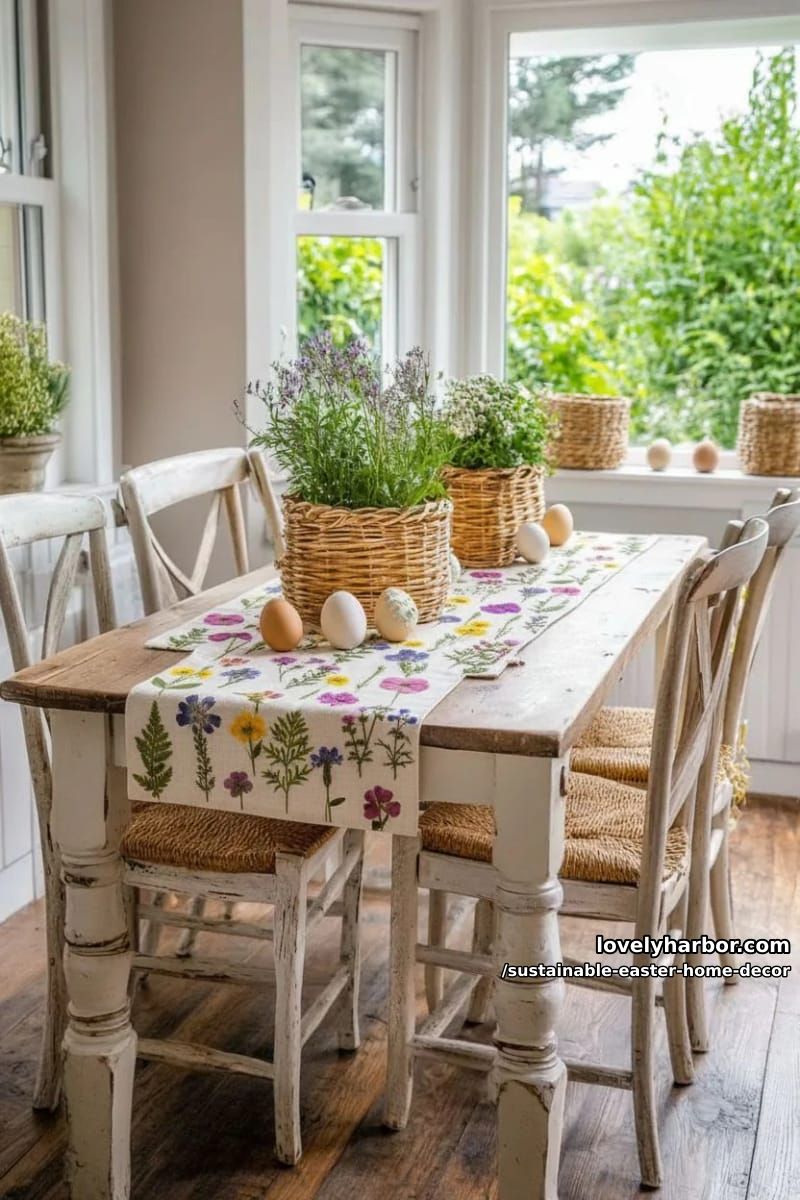
Imagine a table runner crafted from leftover linen, each piece stitched with a story. Adding pressed wildflowers turns it into more than just decor, it sparks conversation.
Why buy mass-produced when you can reuse fabric and celebrate spring’s beauty? This approach saves money and reduces waste, all while creating a charming centerpiece.
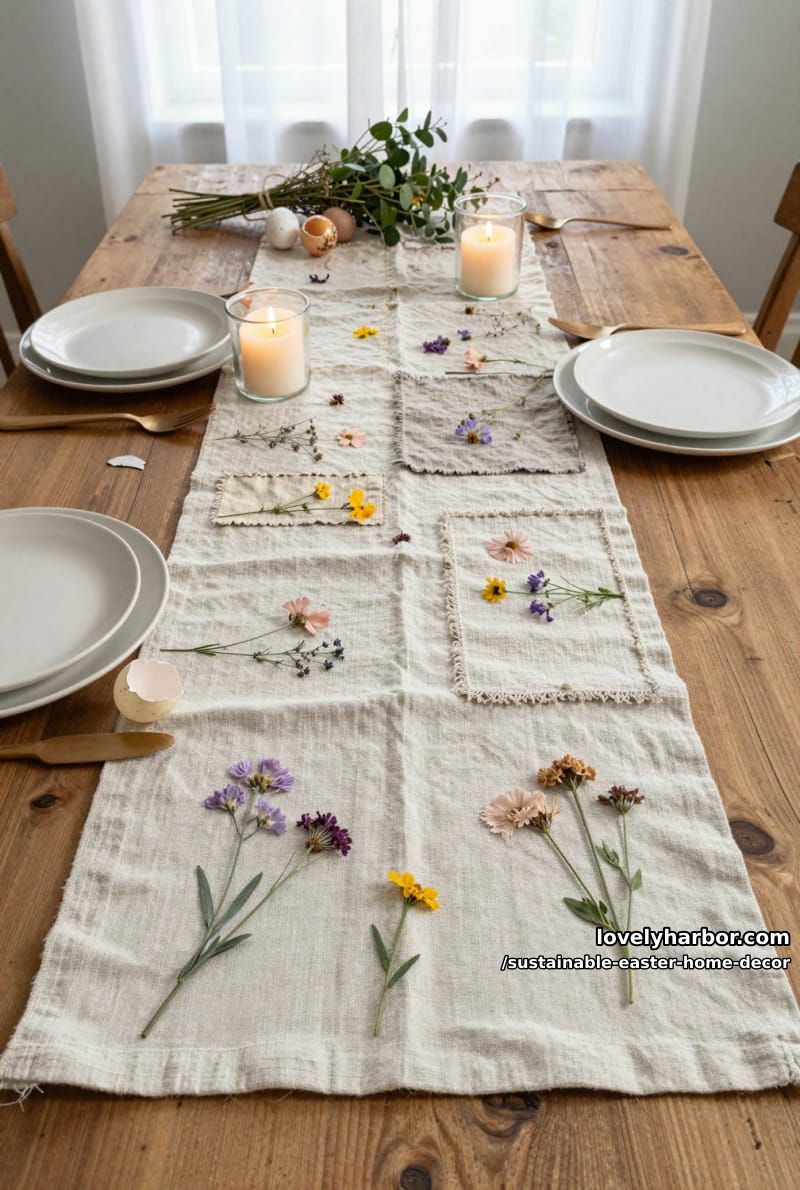
Pressed wildflowers don’t last forever, though. Moisture and sunlight can fade their colors. To keep them looking fresh, press new blooms each year or use a clear, natural wax sealant.
Your table runner will always look different, an evolving reminder that sustainability can still be lively and inviting.
10. Potted herbs with bunny-shaped plant markers for windowsills
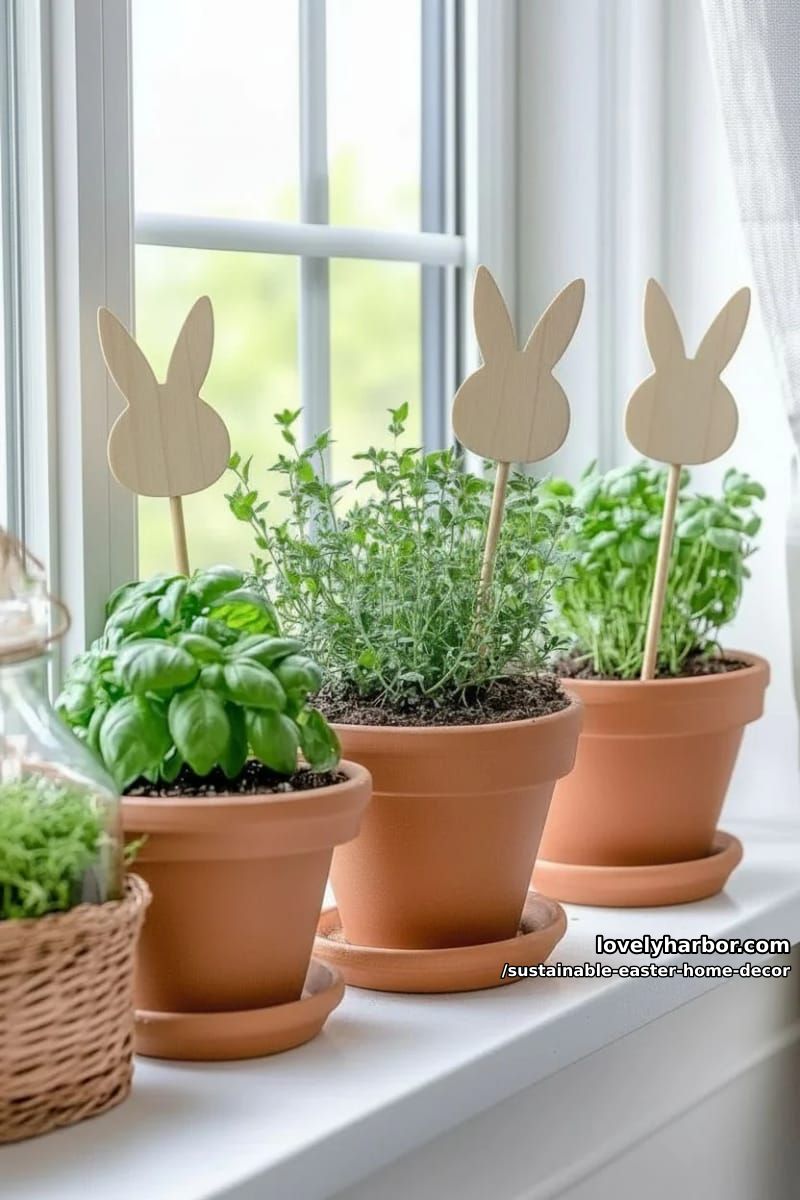
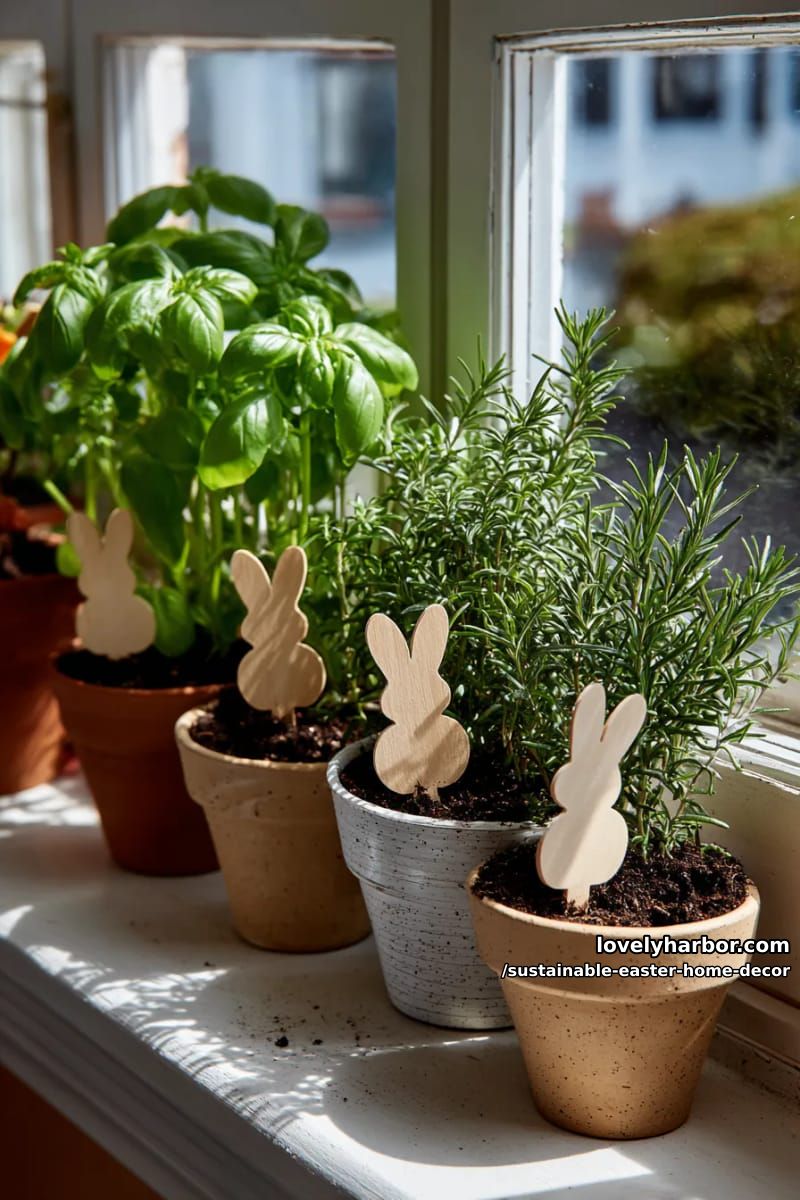
Potted herbs make practical Easter decor. Fresh basil or mint on your windowsill looks cheerful and keeps your kitchen fragrant. Slide in bunny-shaped plant markers for a playful nod to the season.
Guests will smile, and your herbs won’t get mixed up. It's festive, functional, and low-waste.
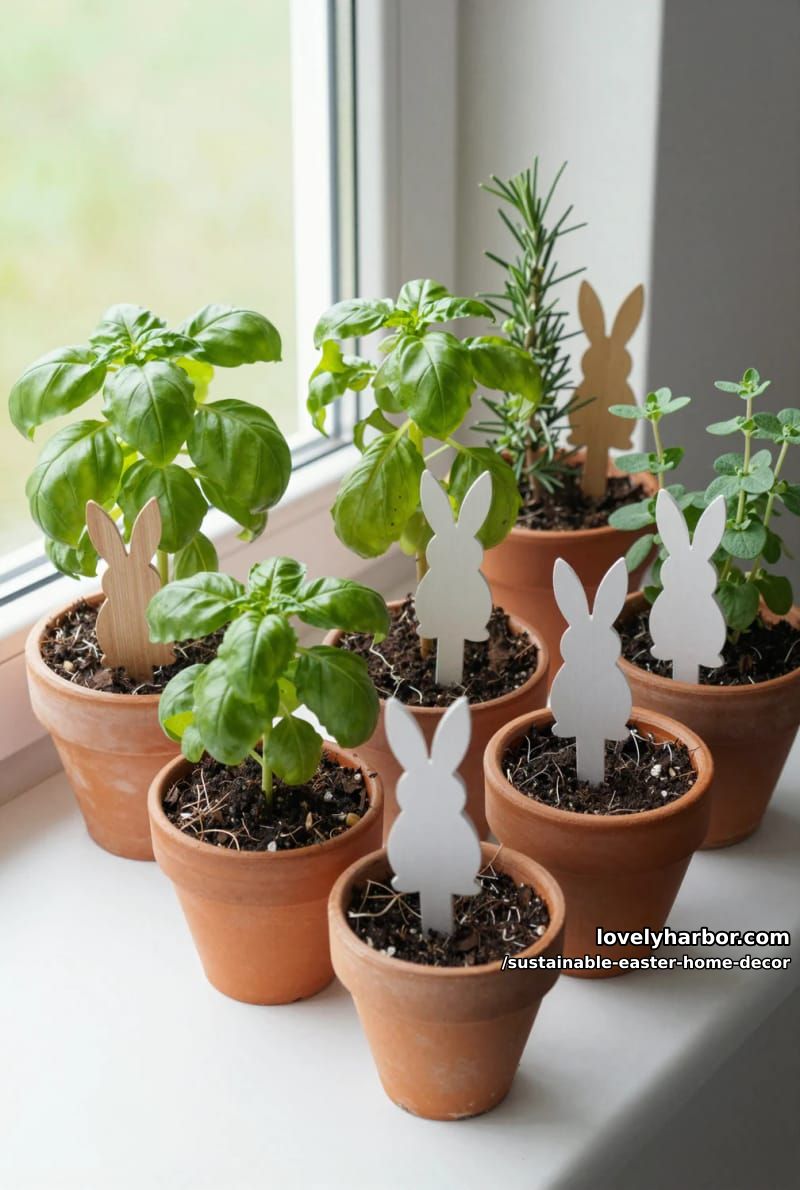
Plastic trinkets often end up in bins, but reusable markers and living plants last beyond Easter. Grab wooden craft sticks, cut out bunny shapes, and let kids paint them.
This simple project encourages creativity and reduces holiday waste. Why not make sustainability part of your traditions?
11. DIY seed paper eggs as both décor and sustainable party favors
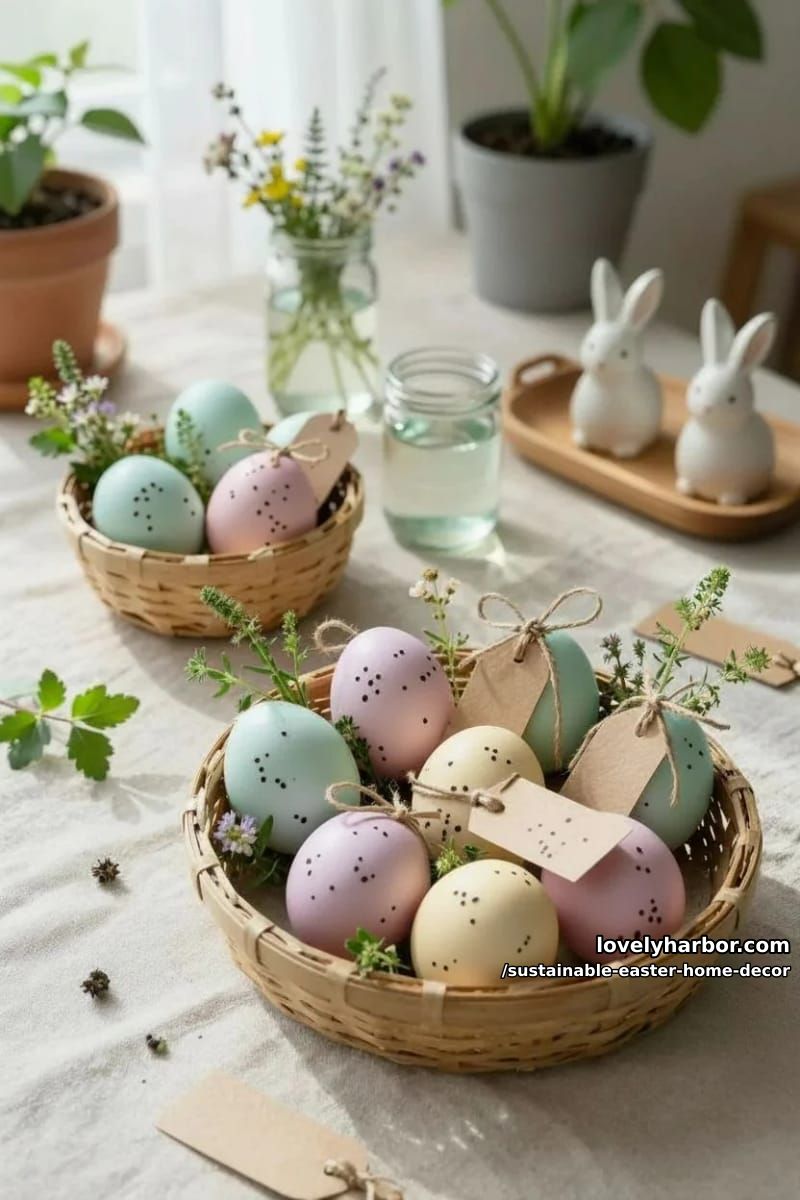
Why settle for plastic eggs that gather dust or end up in the trash? Seed paper eggs offer a clever swap. They brighten your table, then sprout wildflowers when planted.
Kids and adults alike enjoy decorating them with natural dyes, think beet juice and turmeric. Cleanup? Just plant and water.
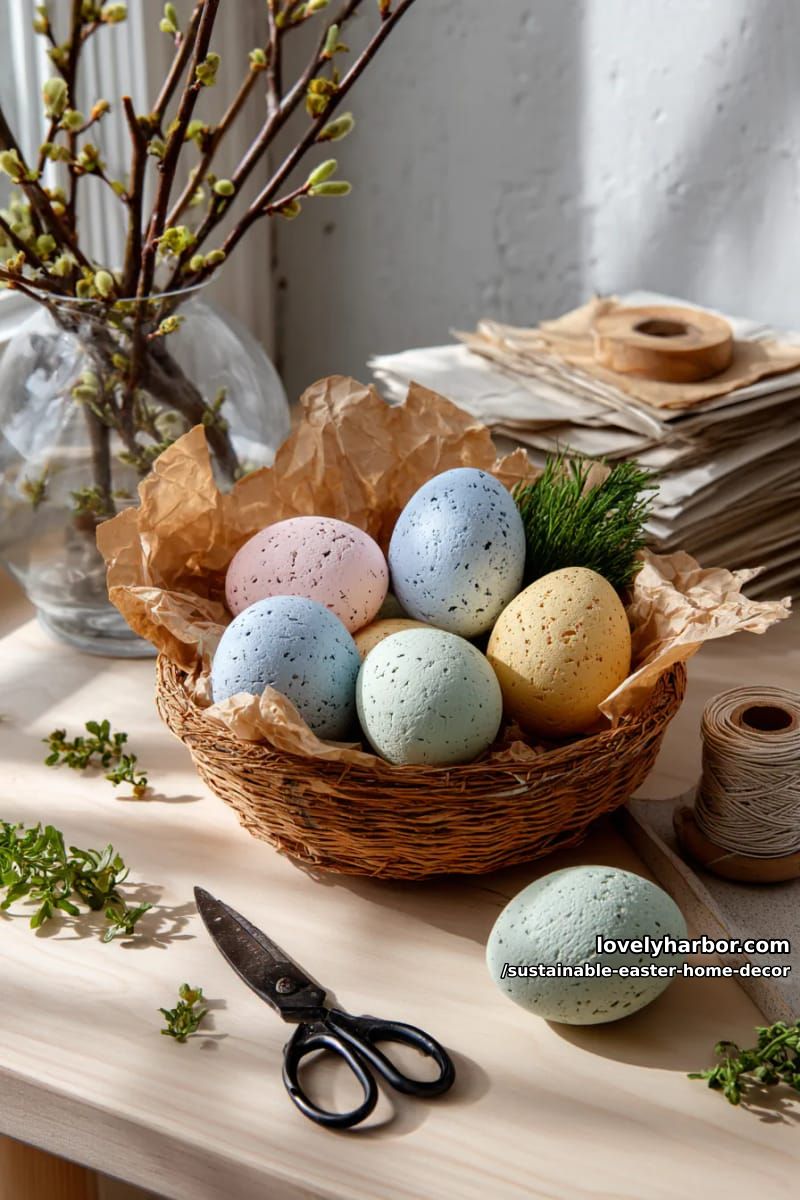
Making these eggs is simple. Blend scrap paper with water, add flower seeds, and mold the pulp into egg shapes. Let them dry.
Surprise your guests with a party favor they can actually use.
It’s a win for your home and the planet, though keep in mind some seeds may not sprout if the paper is too dense.
12. Painted stone “eggs” nestled in a nest of dried grass and twigs
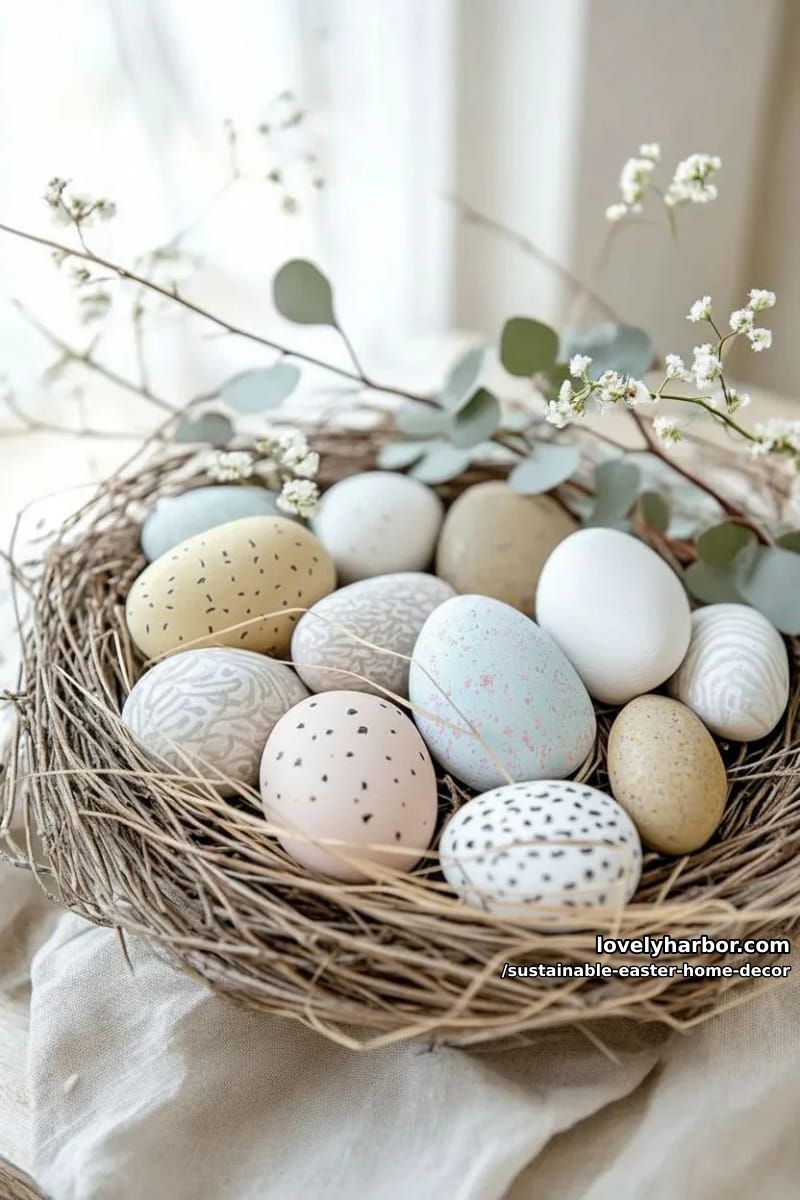
Forget plastic eggs and chemical dyes. Painted stone “eggs” offer a playful, lasting alternative for Easter. Gather smooth stones, splash on some pastel paint, and let them dry.
These sturdy stand-ins won’t crack under pressure, plus, they look charming nestled among dried grass and twigs from your backyard.
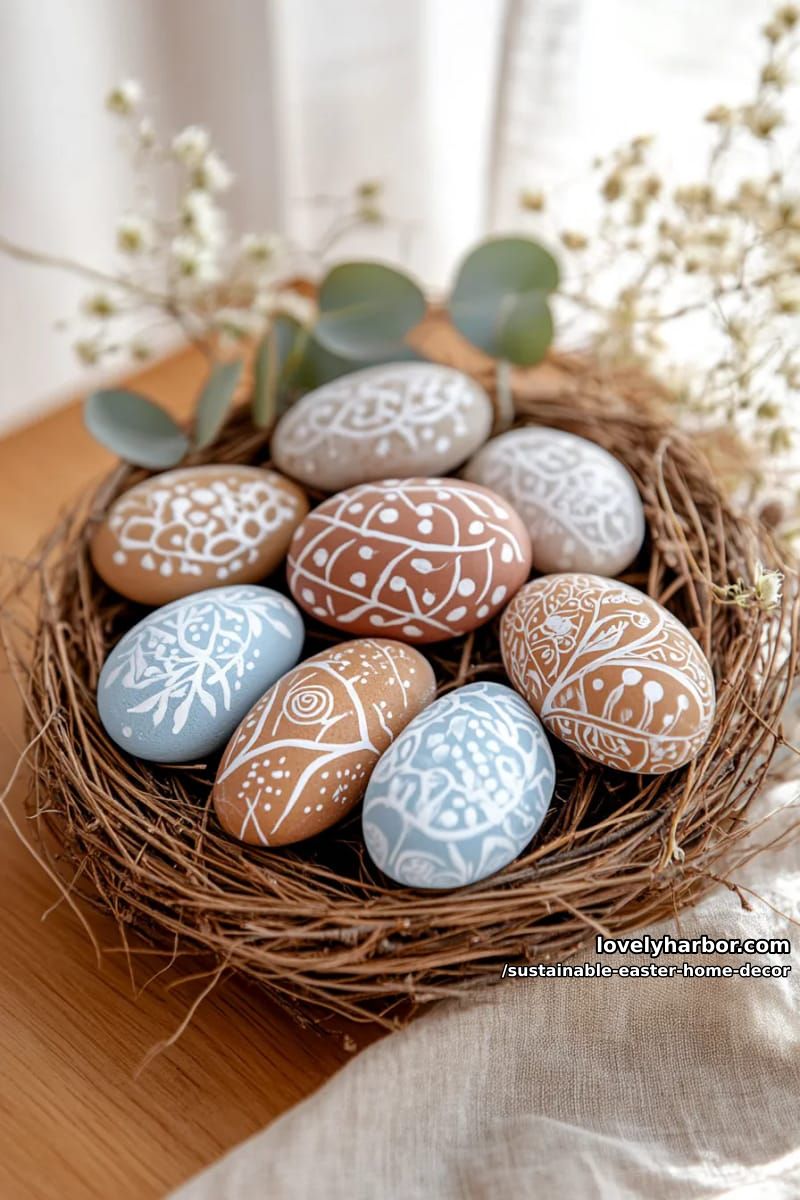
Creating this display is simple and budget-friendly. Kids enjoy painting the stones, and adults appreciate the earthy, rustic vibe. One catch: stones aren’t edible, so keep them away from curious pets or toddlers.
Still, this reusable décor celebrates both creativity and respect for nature, no landfill clutter, just cheerful color.
13. Wreath made from foraged willow branches and soft wool balls
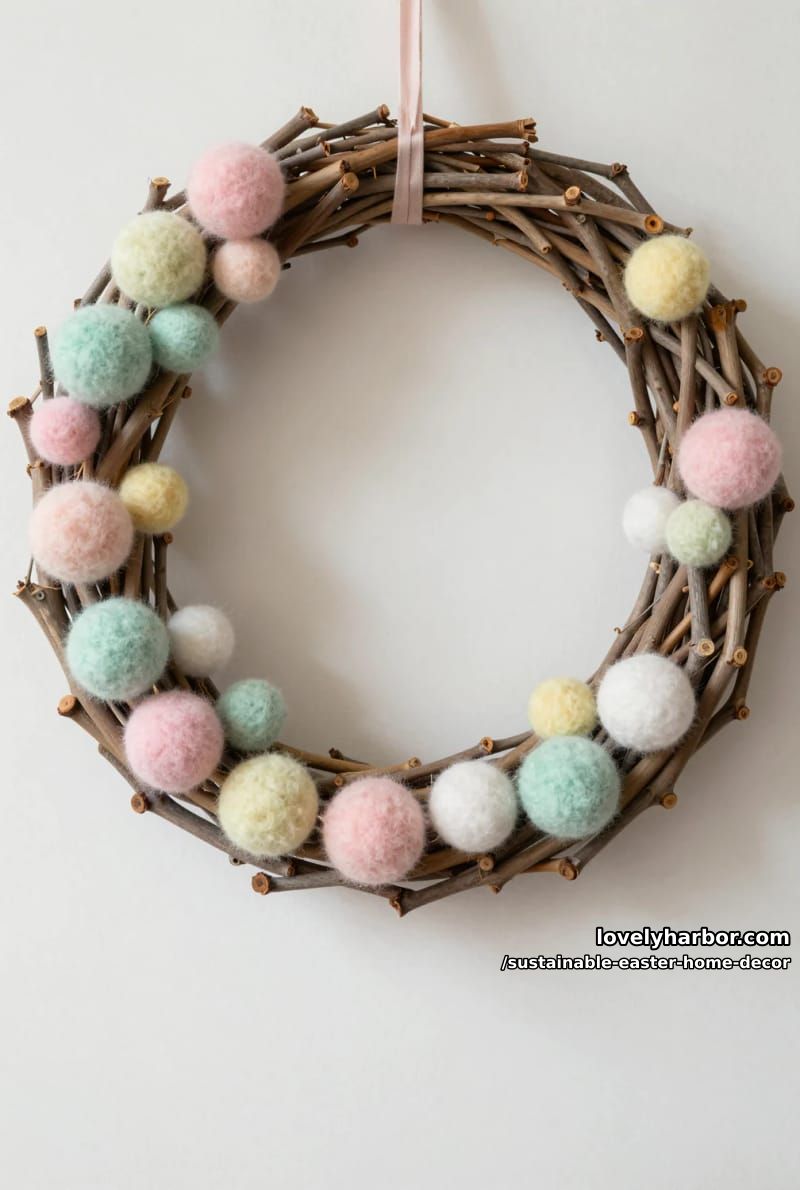
Creating a wreath from foraged willow branches and soft wool balls delivers natural charm without waste. Willow bends easily, making it simple to shape.
Add wool balls in pastel shades for a pop of color. Your hands and a bit of twine are all you need, no plastic, no fuss.
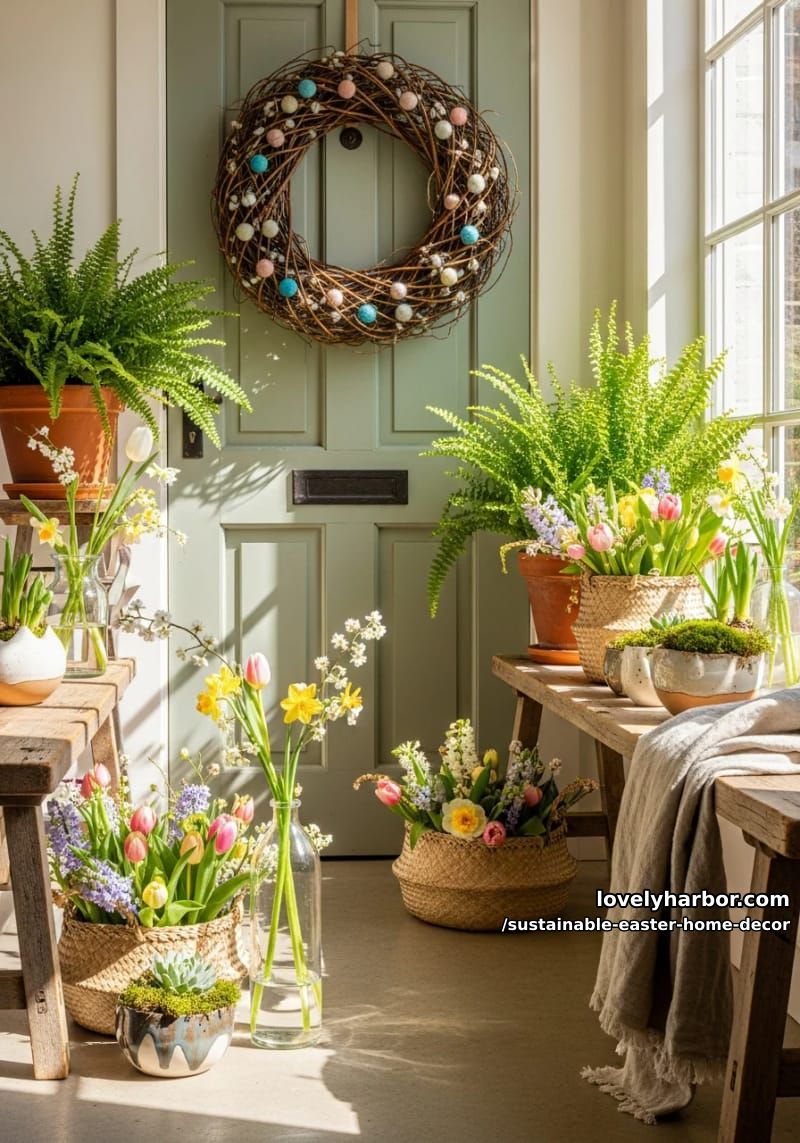
Why choose this method? Foraged materials cost nothing, and wool is biodegradable. Store-bought wreaths often contain synthetic parts. This handmade approach skips the landfill problem.
Want to switch up your decor next year? Just unwind the willow and reuse the wool balls elsewhere.
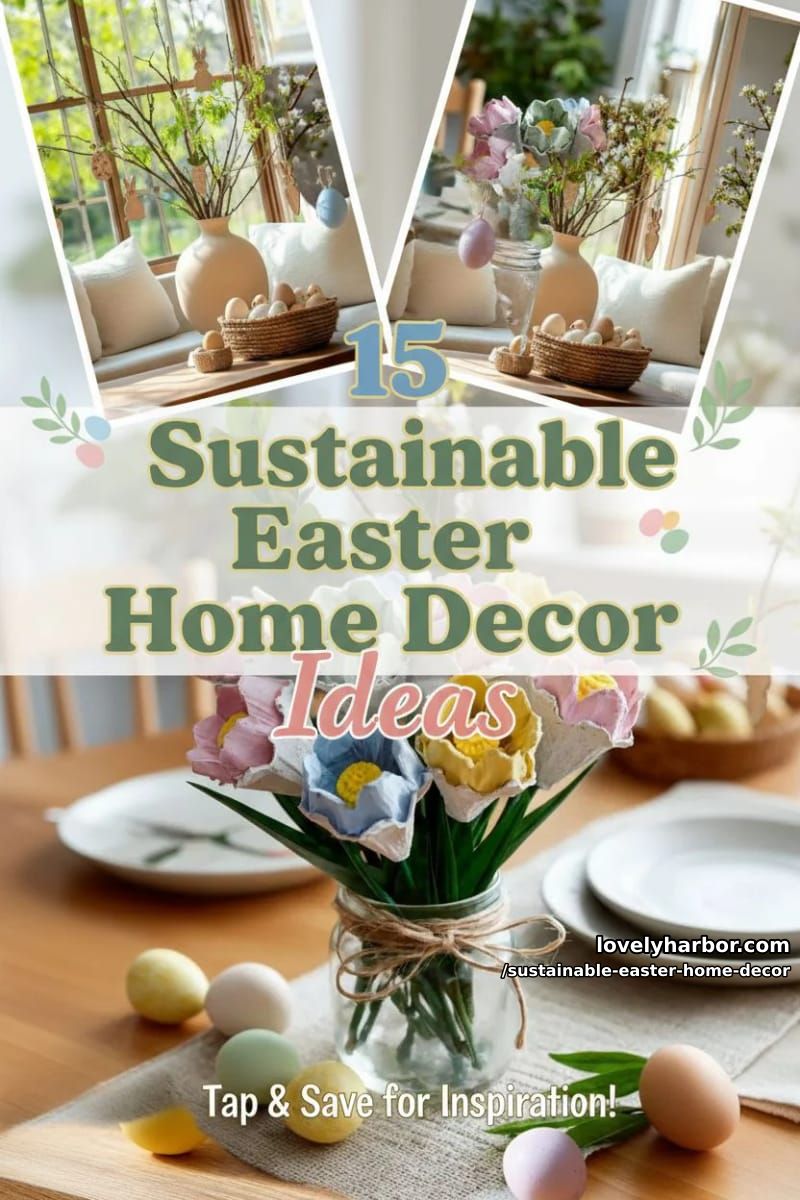
14. Repurposed egg carton floral arrangements for a playful eco centerpiece
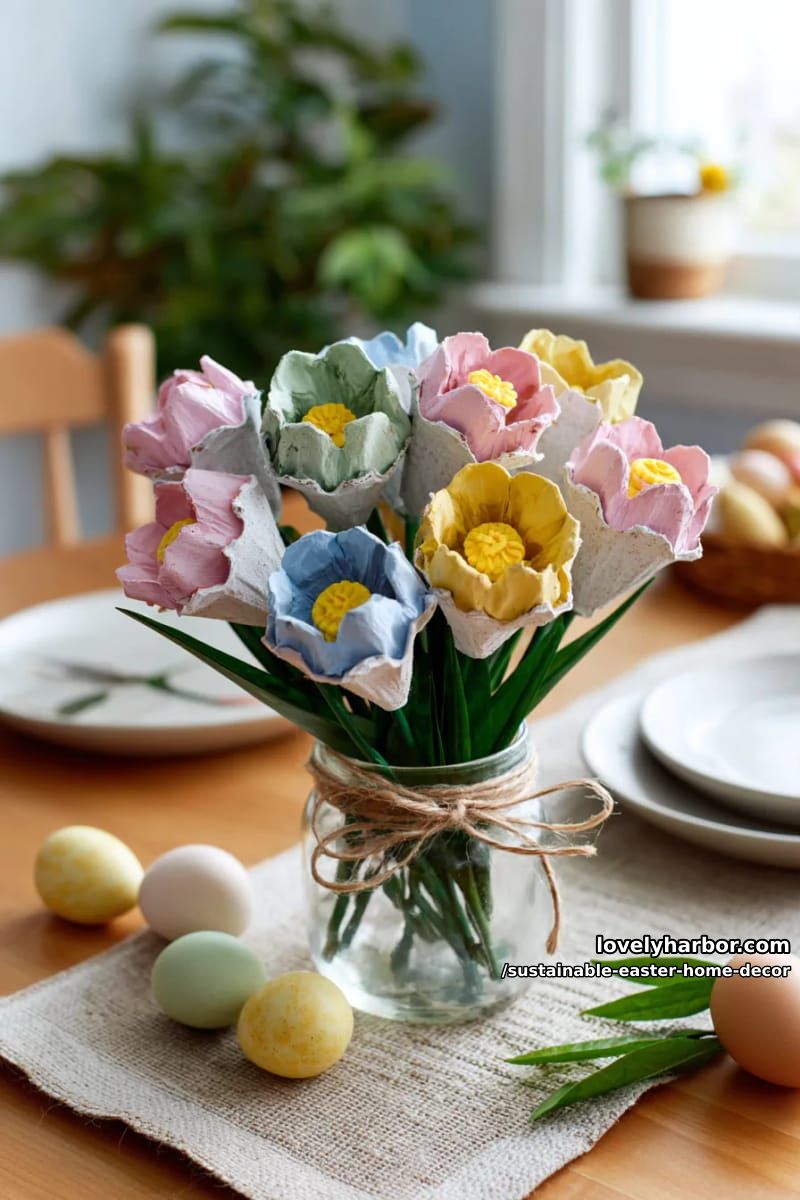
Egg cartons often end up in the trash, but with a little creativity, they become playful table centerpieces. Cut, paint, and shape each cup into flower petals.
Cluster them in a vase or weave them onto a wreath. The result is colorful, eco-friendly, and inexpensive, hard to argue with that.
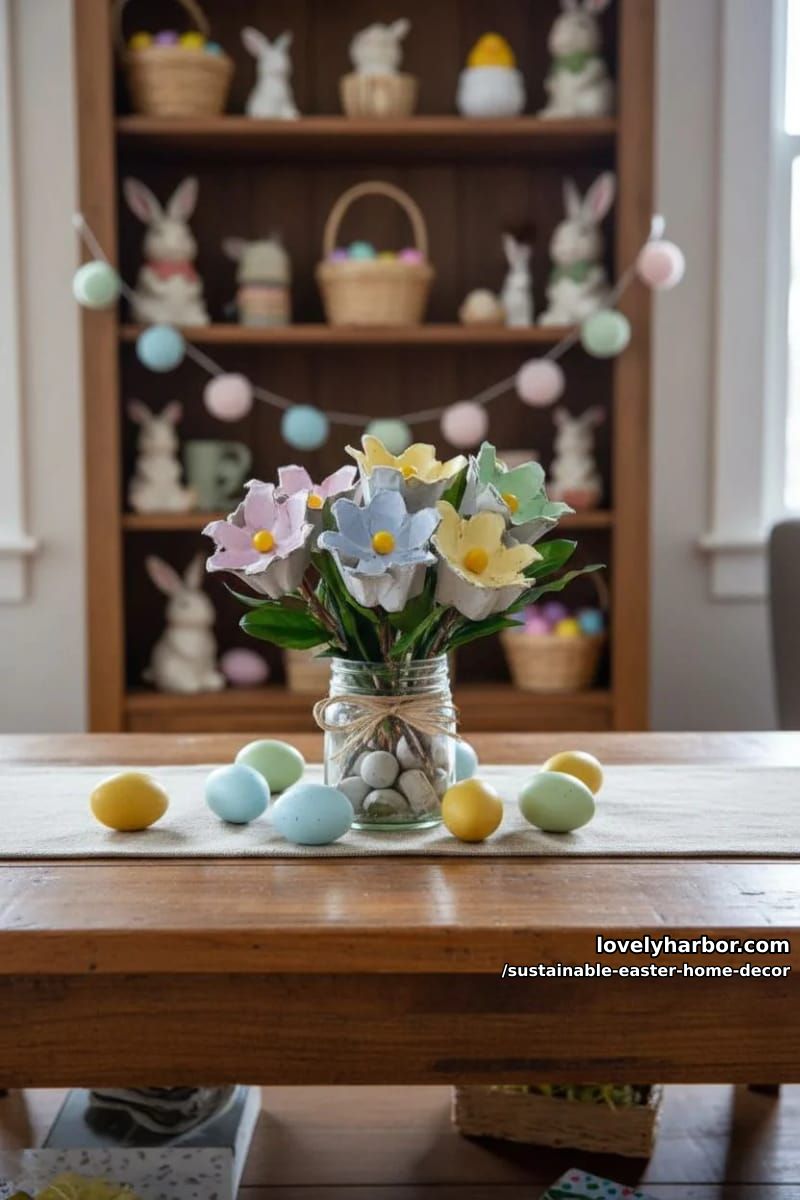
Let’s be honest, no one’s fooled by faux flowers from the craft store. But if your guests spot these upcycled blooms, the conversation starts instantly.
Best of all, you save money, reduce waste, and create a cheerful scene that’s unmistakably homemade. Why not let your centerpiece tell a greener story this Easter?
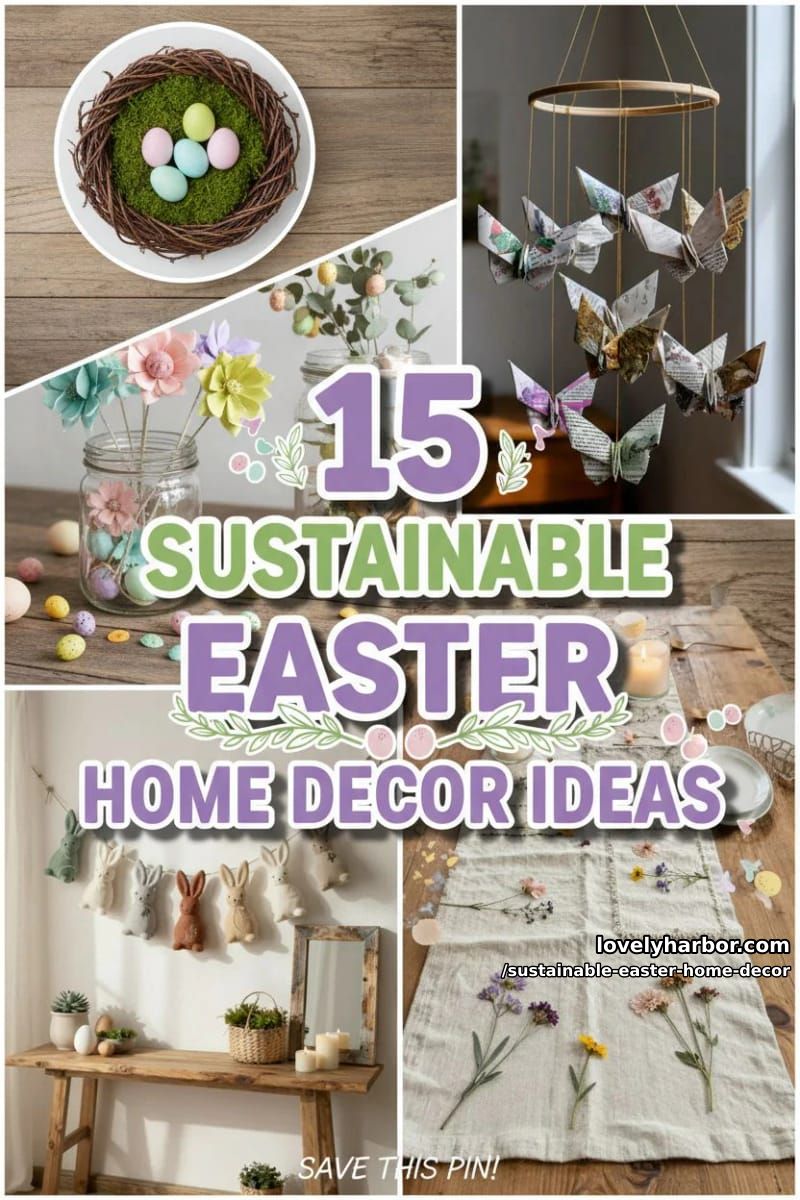
15. Origami butterflies from recycled magazine pages fluttering on a mobile
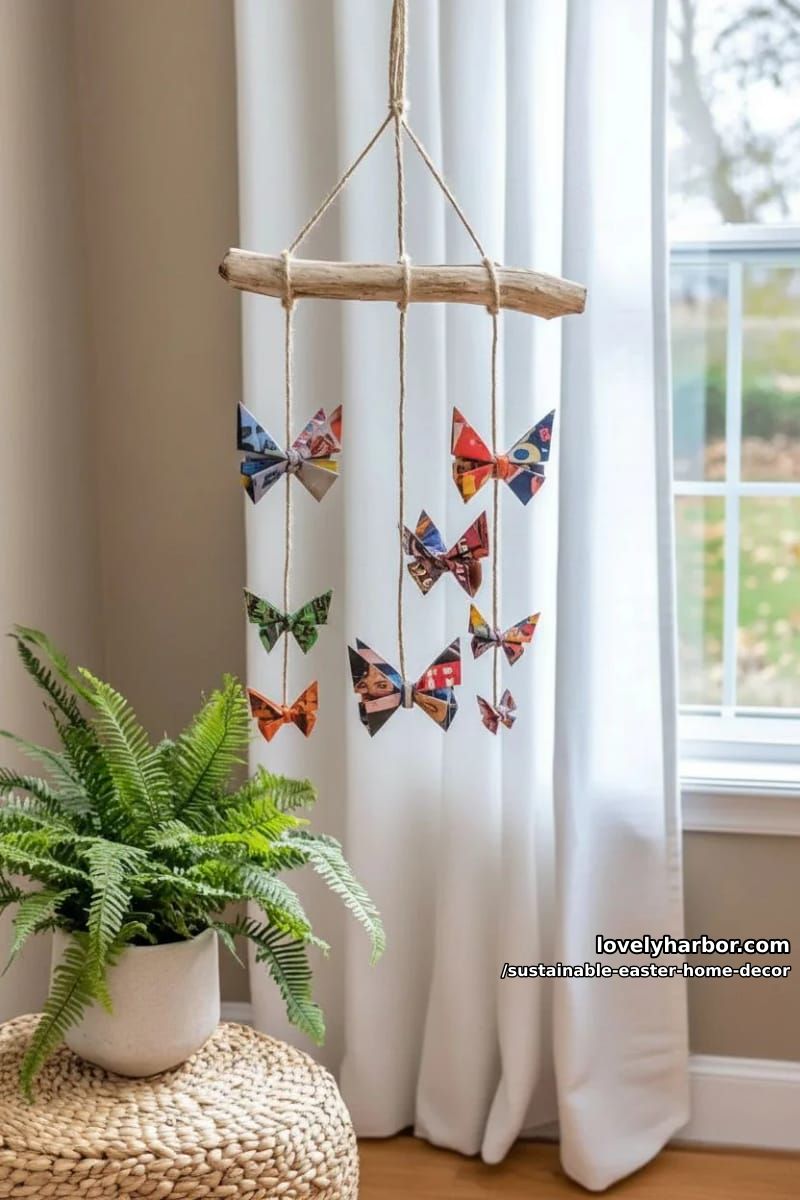
Folding origami butterflies from old magazine pages creates vibrant, eco-friendly décor. Each wing tells a story from yesterday’s news or glossy ads.
Hang them from a simple mobile, above a dining table or in a sunlit window. Why buy plastic trinkets when yesterday’s junk mail can become today’s conversation piece?
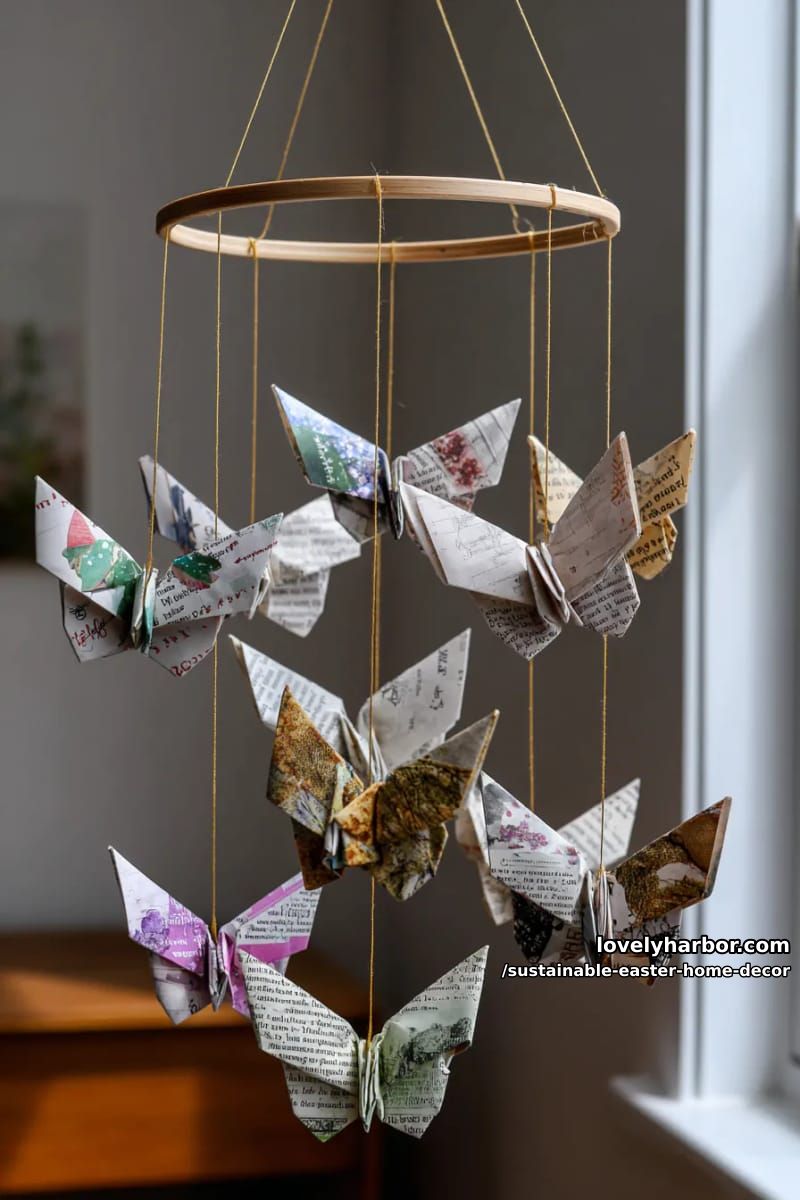
This project isn’t just about decoration; it’s a family activity that cuts waste. No fancy tools, just scissors, string, and a bit of patience.
Let each family member choose their favorite page and fold their own butterfly. The result? An Easter display that’s colorful, meaningful, and gentle on the planet.
Conclusion
Sustainable Easter home decor isn’t just about looks, it’s about choosing items that tell a story and tread lightly on the planet.
Imagine your guests asking about your jute carrot wall hanging or the herbs with bunny markers. What conversation starters!
Start small. Try upcycled jars or make seed paper eggs with your kids. Every swap for natural or recycled materials brings you closer to a home that’s both festive and kind to nature.
Ready to make your Easter greener and more delightful?
Related Posts
- Easter Decor Ideas For 2025
- DIY Easter Centerpieces
- Spring Upcycling Crafts
- Neutral Easter Decor Ideas
- Spring Decorating Trends