
Walk through enough new hotels, boutique rentals, architect-designed homes, and high-end renovations and a pattern starts to emerge. The rooms that feel memorable rarely belong to a single mainstream category. They're pulling ideas from lesser-known design movements, architectural philosophies, and niche historical styles that most homeowners never learn the names of.
Borrowing from these overlooked styles is also one of the fastest ways to make a home feel collected, personal, and deliberately curated rather than assembled from the same handful of showroom displays everyone else is seeing.
1. Soft Brutalism
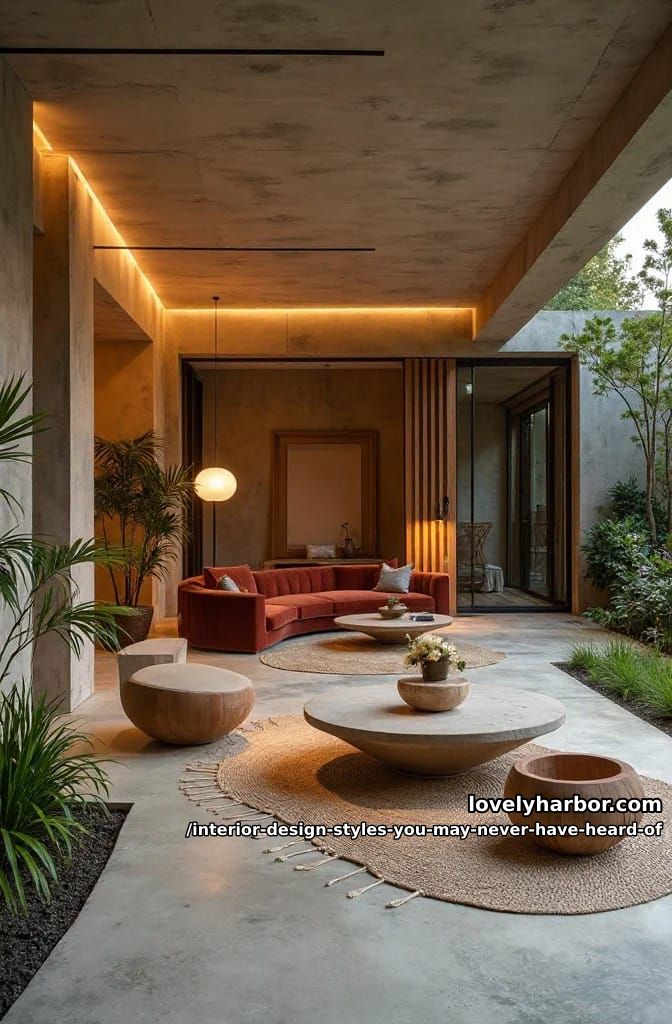
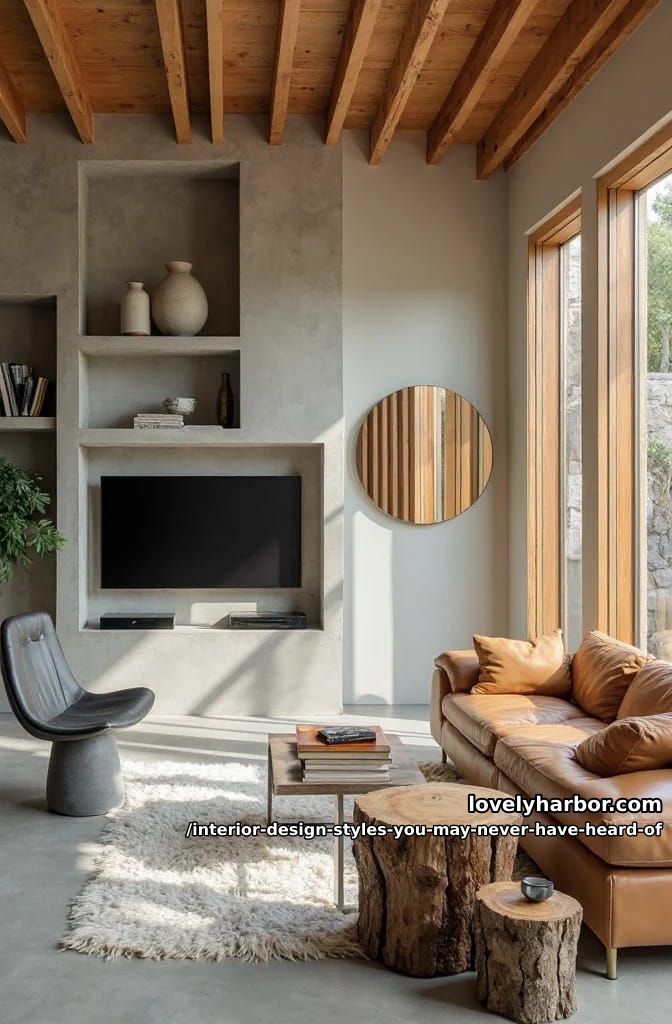
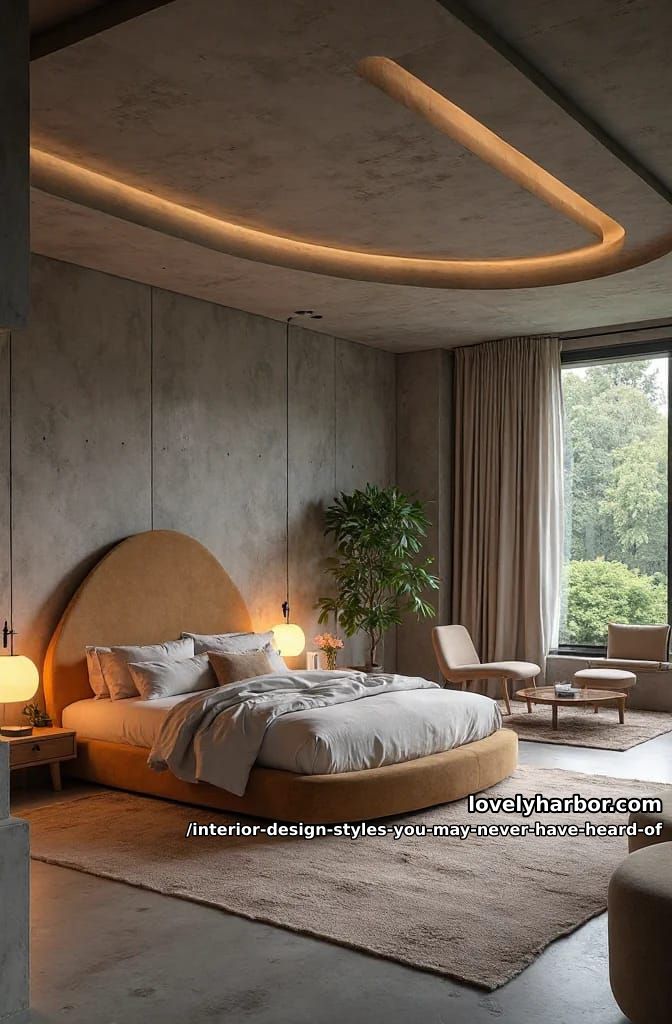
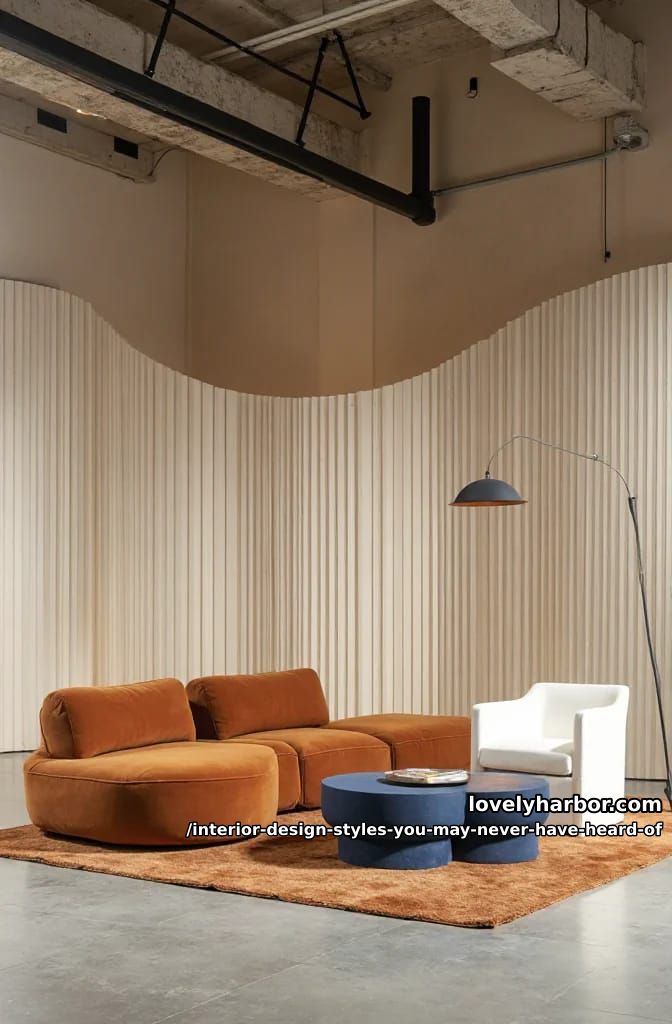
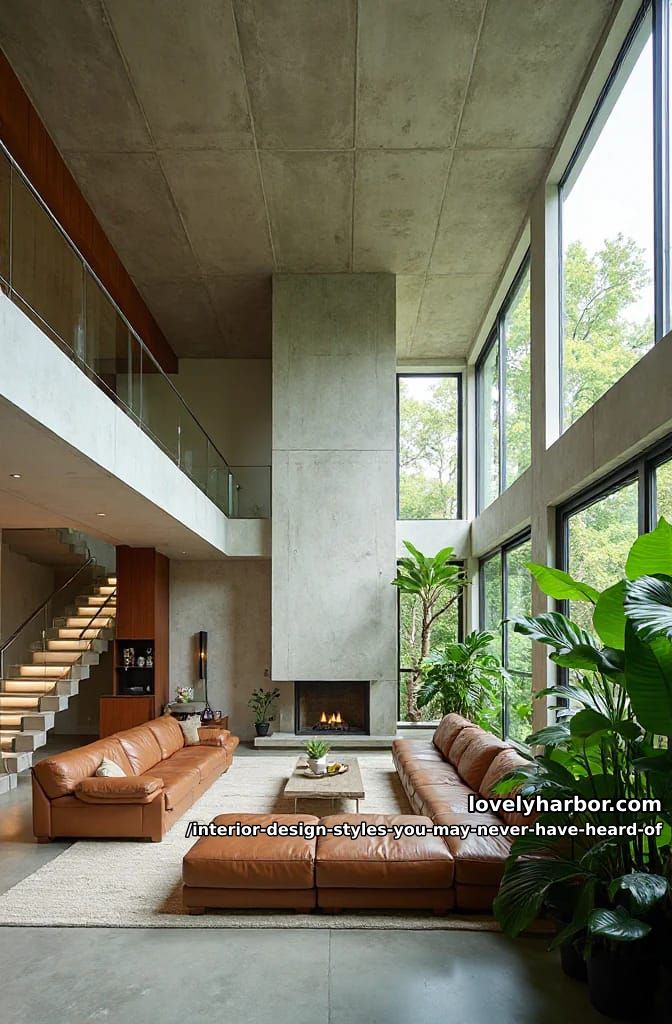
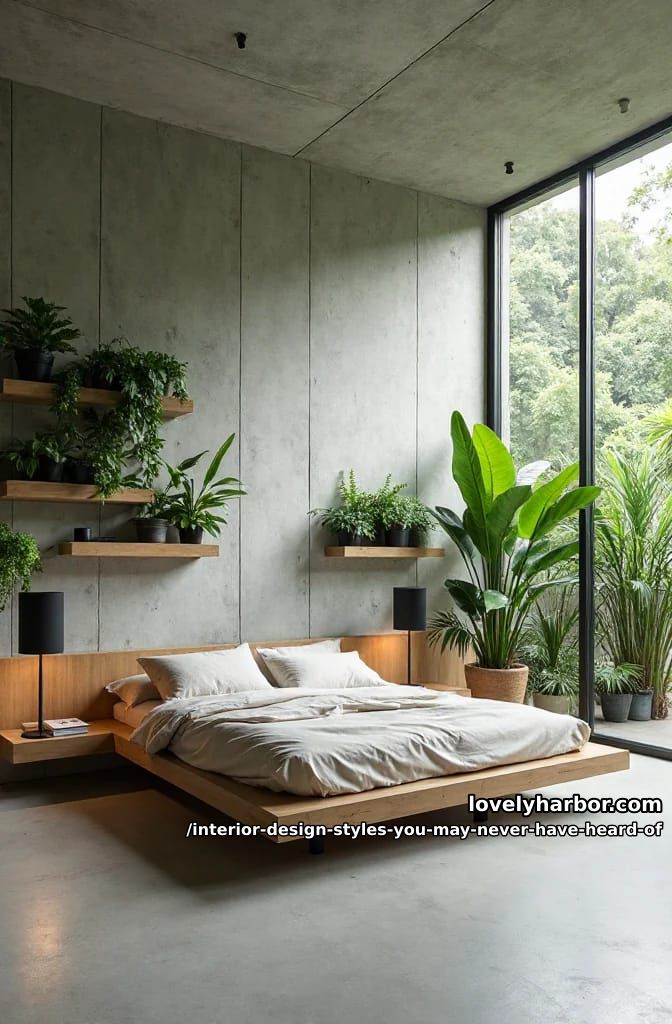
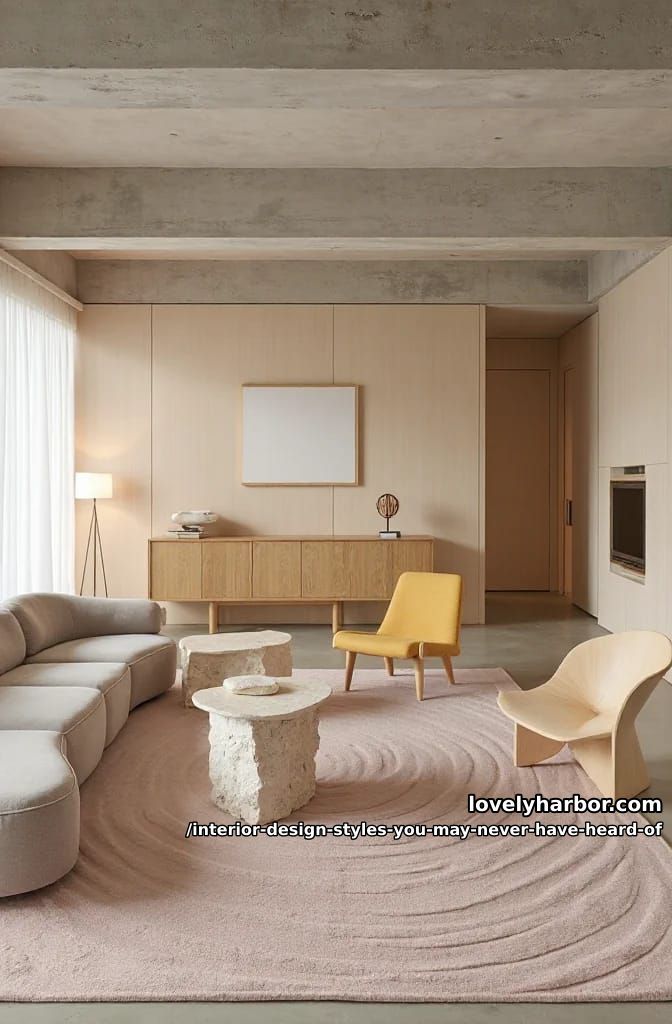
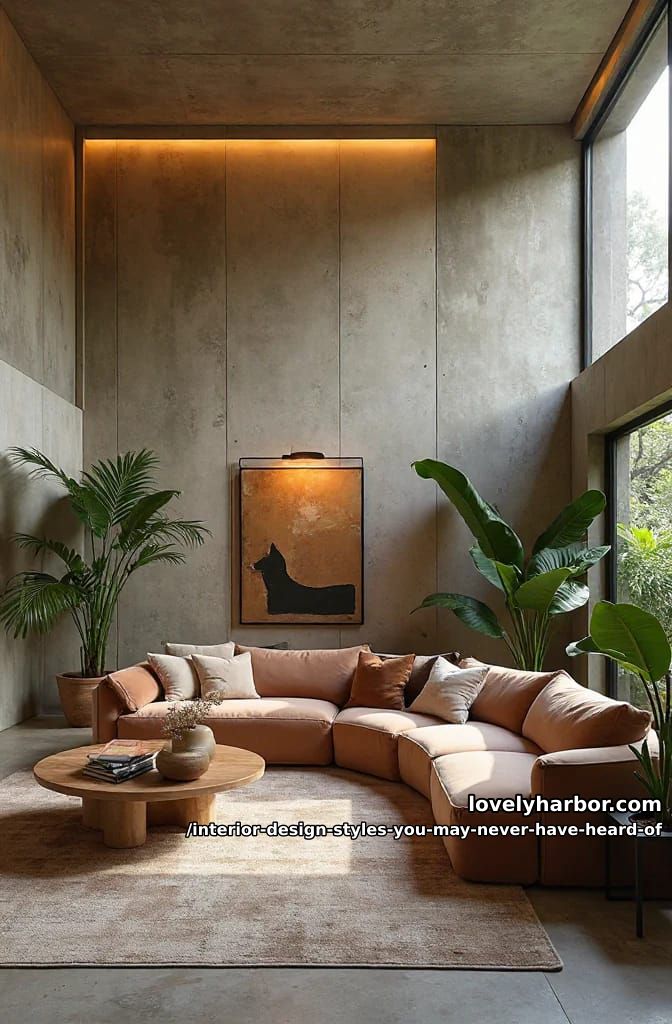
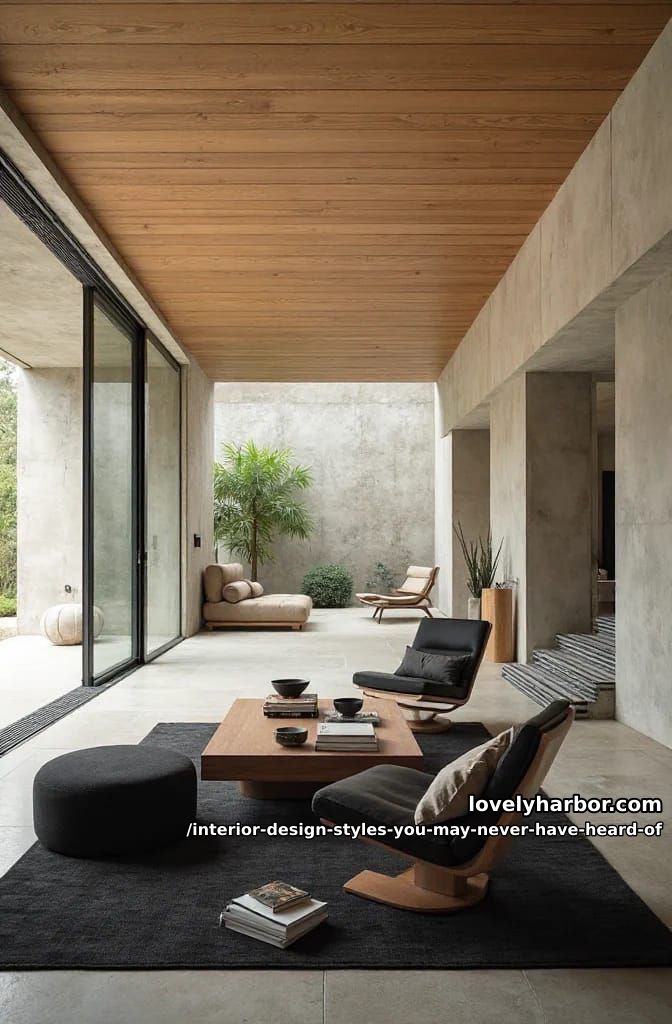
Traditional Brutalism has a reputation problem. People hear the word and picture cold government buildings, gray concrete plazas, and spaces that feel more intimidating than inviting. Soft Brutalism keeps the architecture but changes the experience of living inside it.
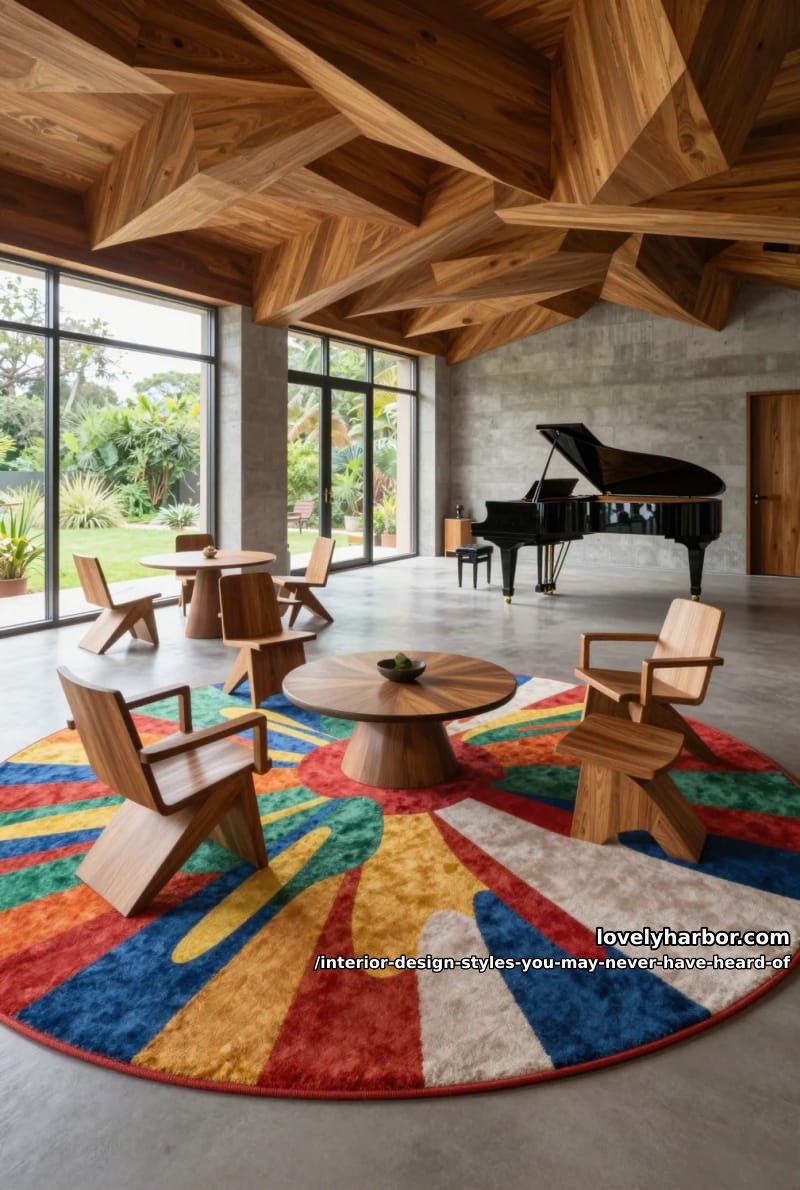
The approach relies on contrast. Concrete remains exposed, but it's paired with warm woods, textured fabrics, curved furniture, and layered lighting. The result feels architectural without becoming hostile. Many contemporary luxury apartments quietly borrow from this formula because it allows a room to feel modern without falling into the white-box minimalism that dominated the 2010s.
Hard surfaces become more appealing when surrounded by materials that absorb light, texture, and sound.
2. Googie
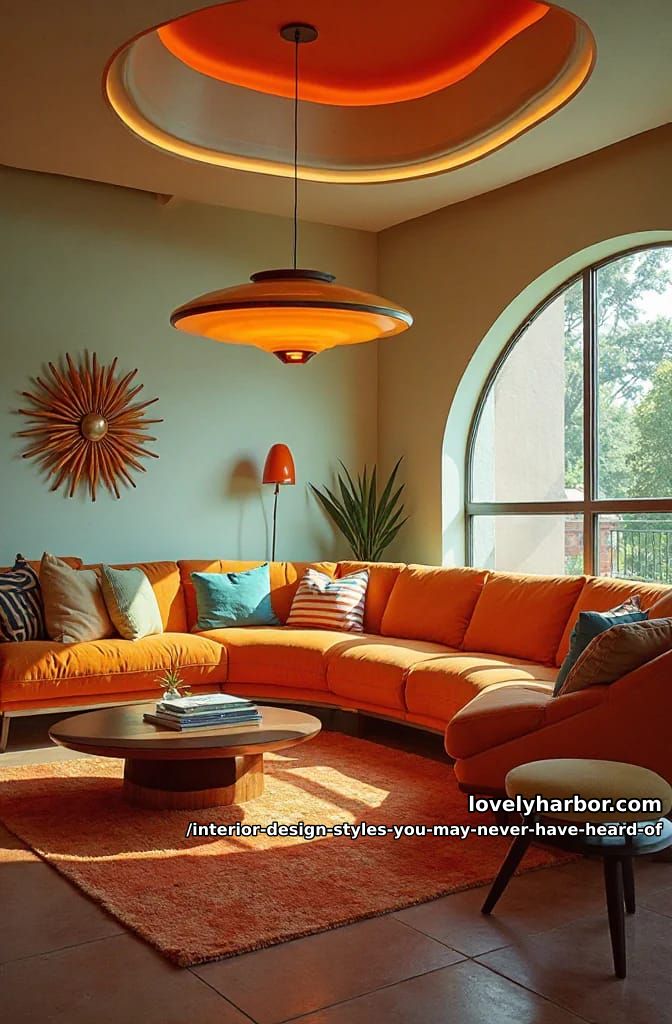
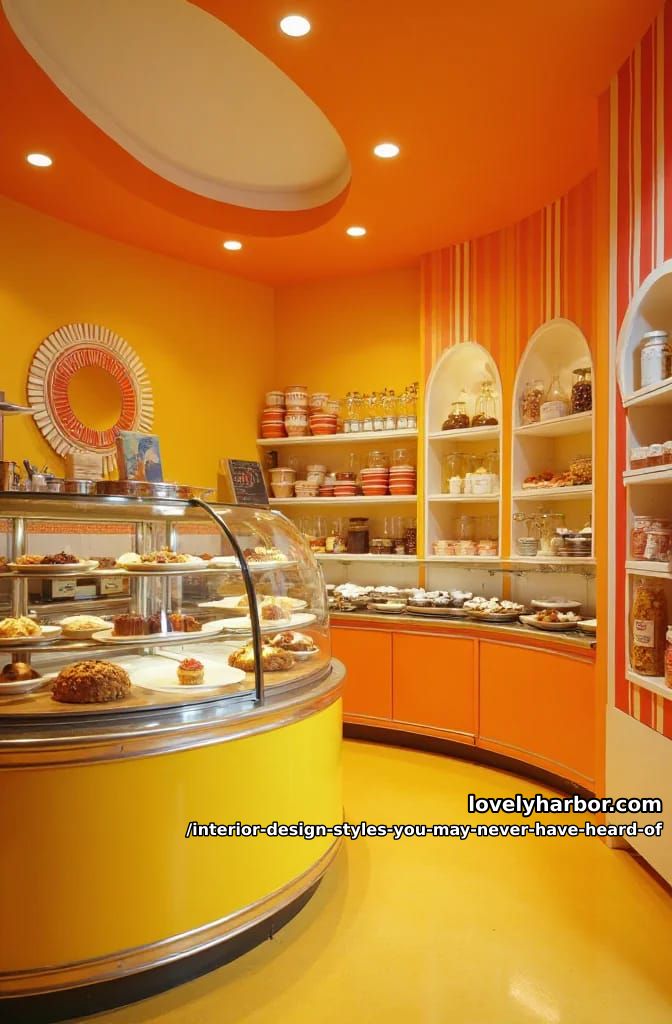
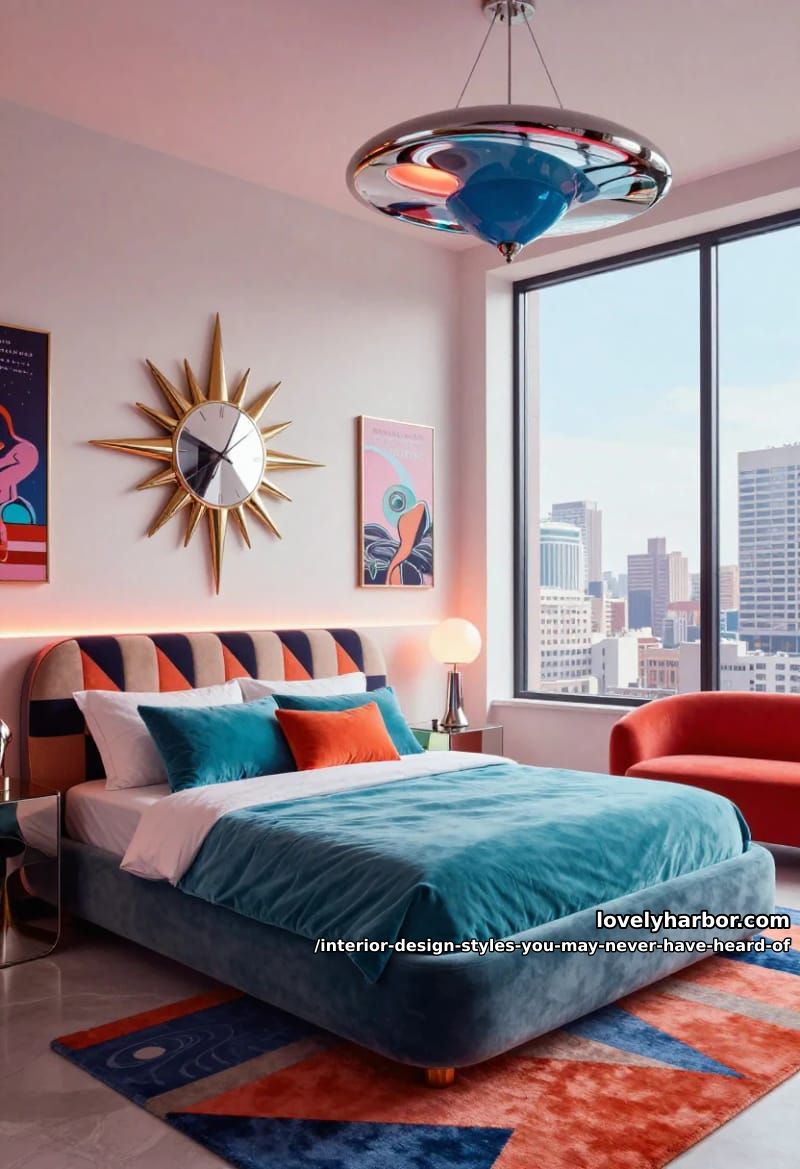
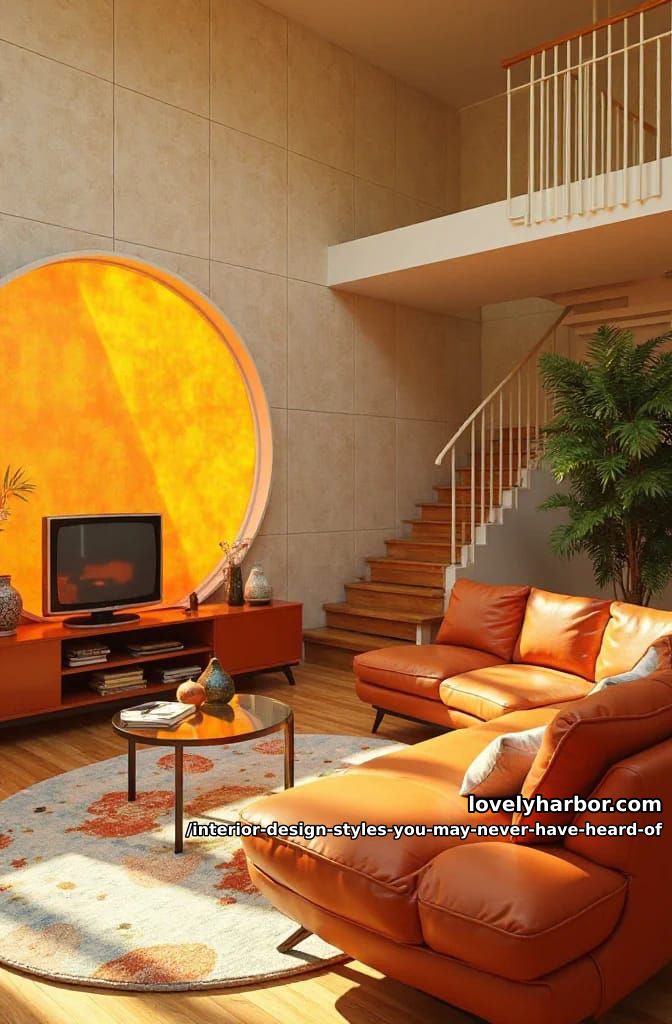
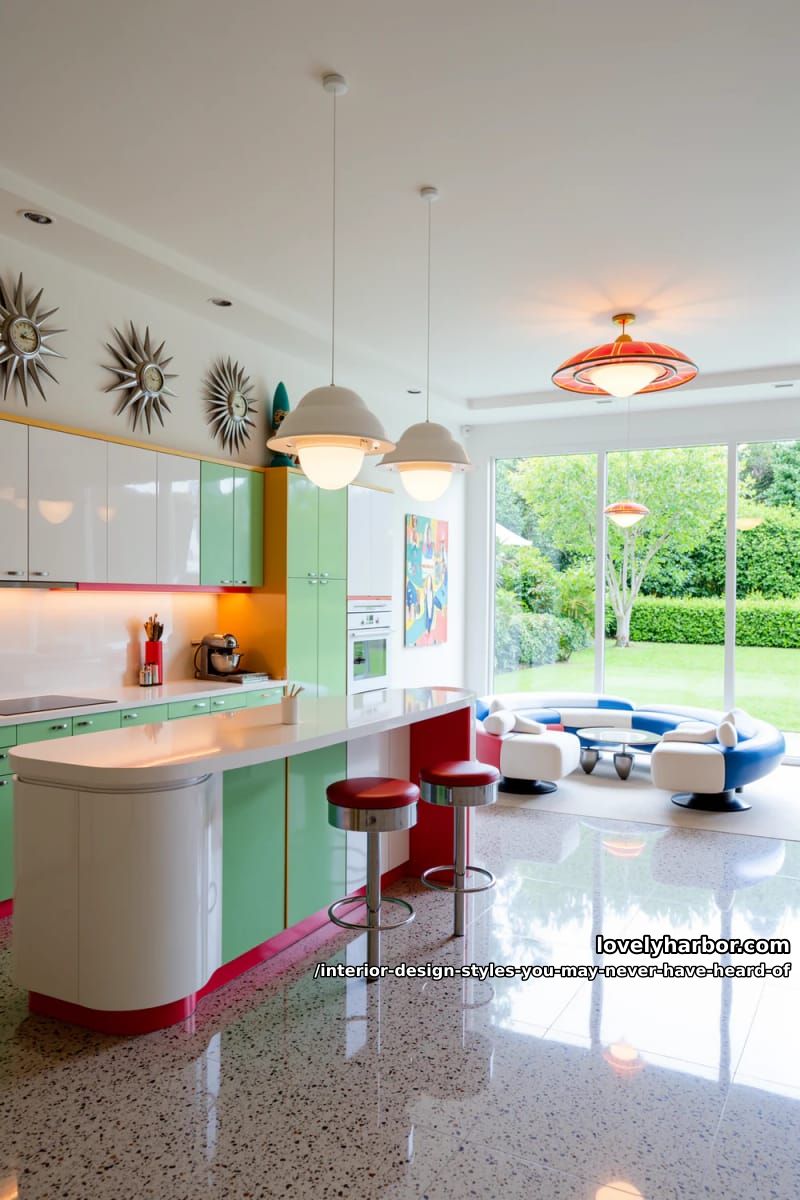
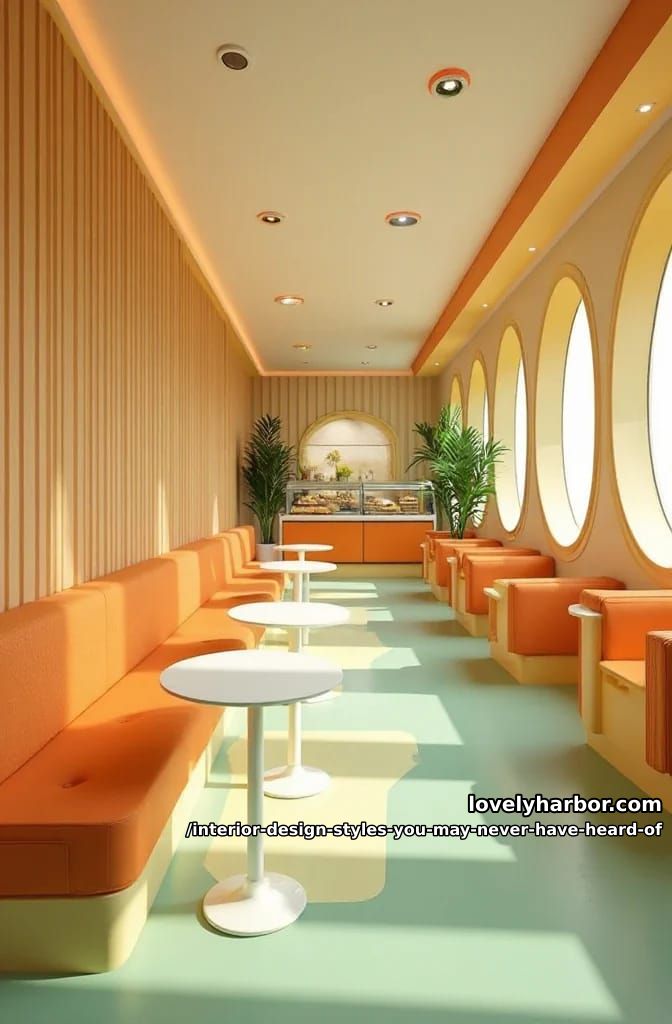
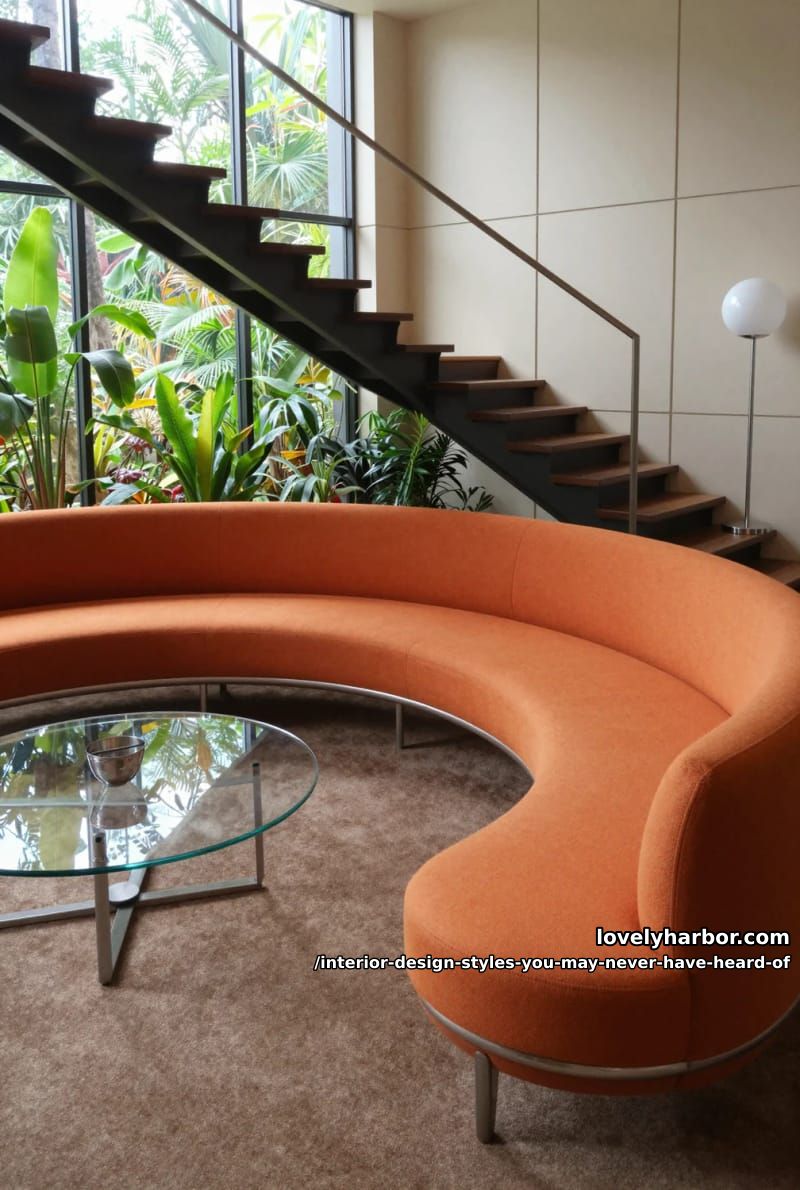
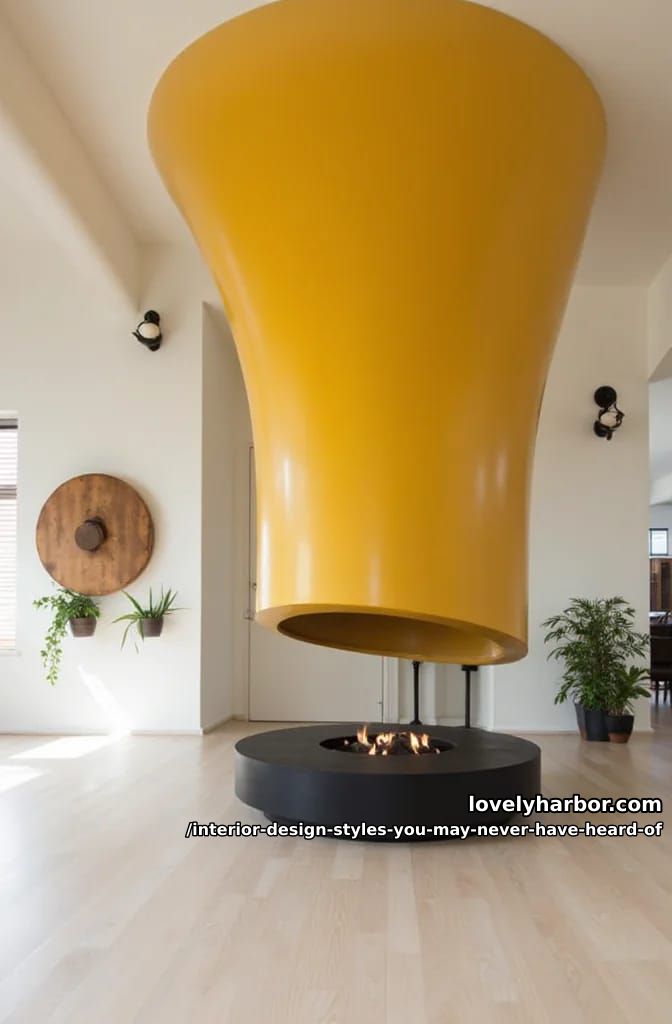
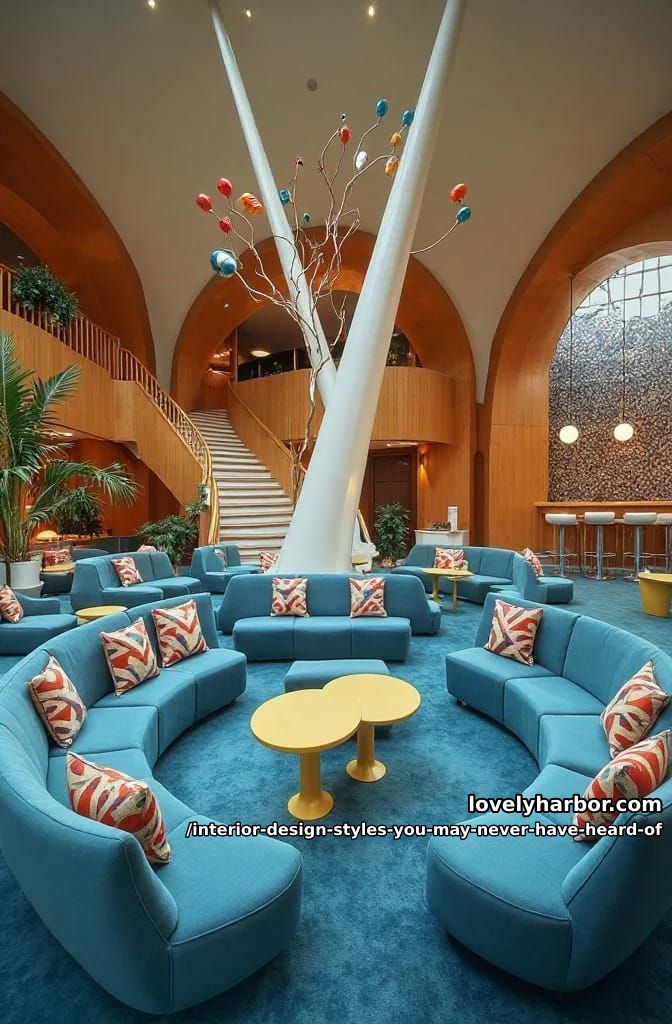
Googie emerged from Southern California's fascination with the future during the atomic age. It embraced the optimism of the space race with dramatic geometry, starbursts, sweeping angles, and forms that looked ready for launch.
Most people recognize Googie architecture without knowing the name. Vintage diners, roadside motels, and futuristic gas stations often used the language. In interiors, even a single starburst clock or boomerang-shaped table can inject energy into a room dominated by straight lines.
3. Kanso
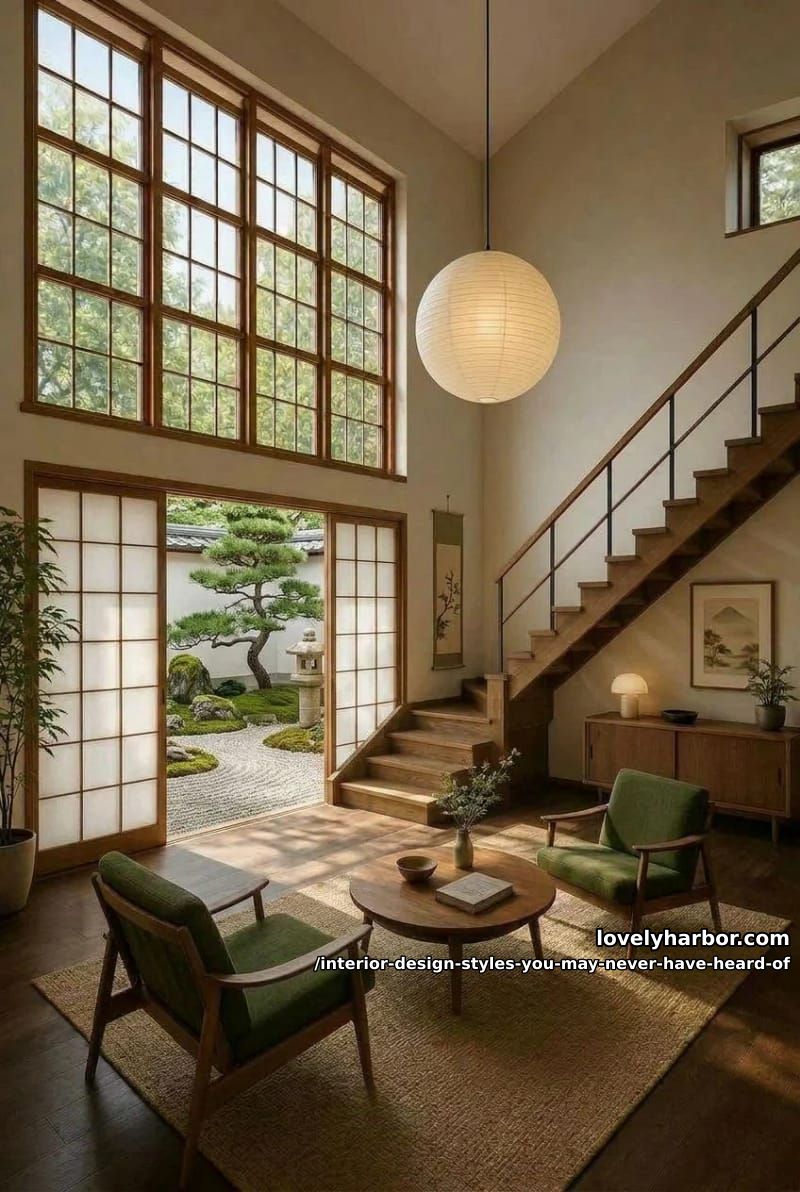
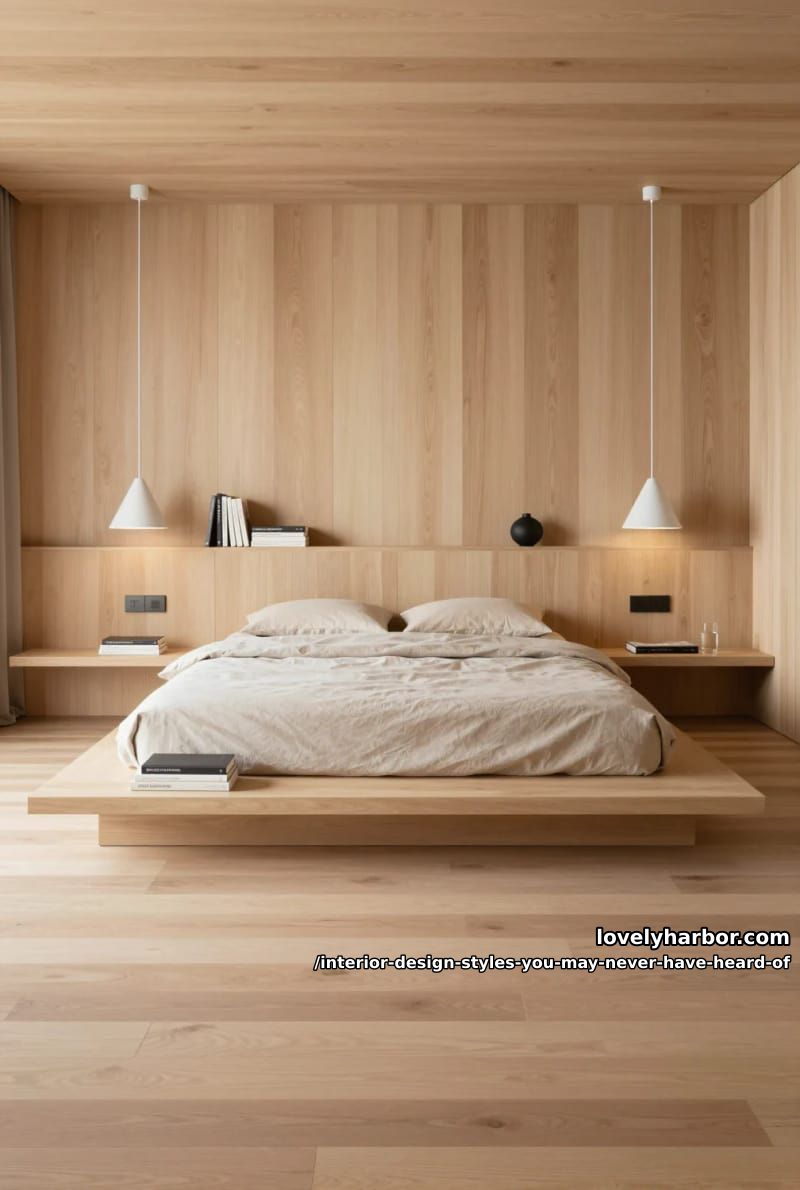
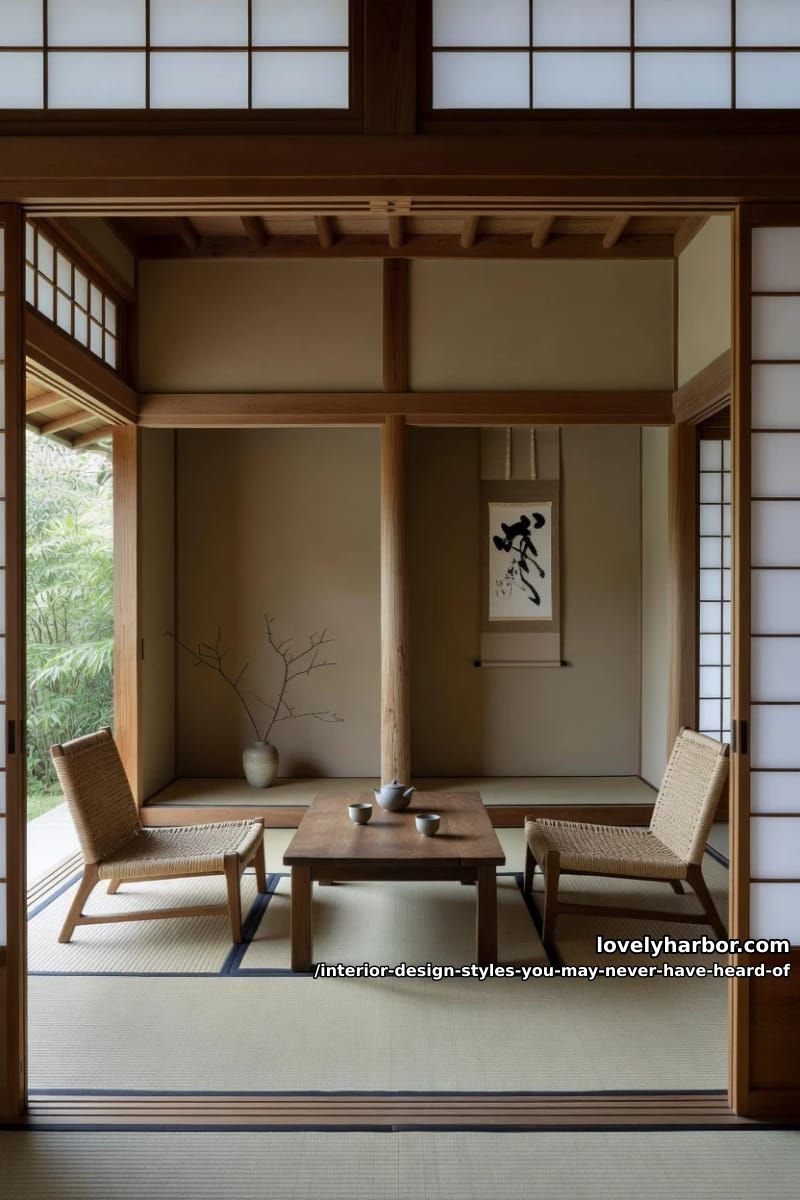
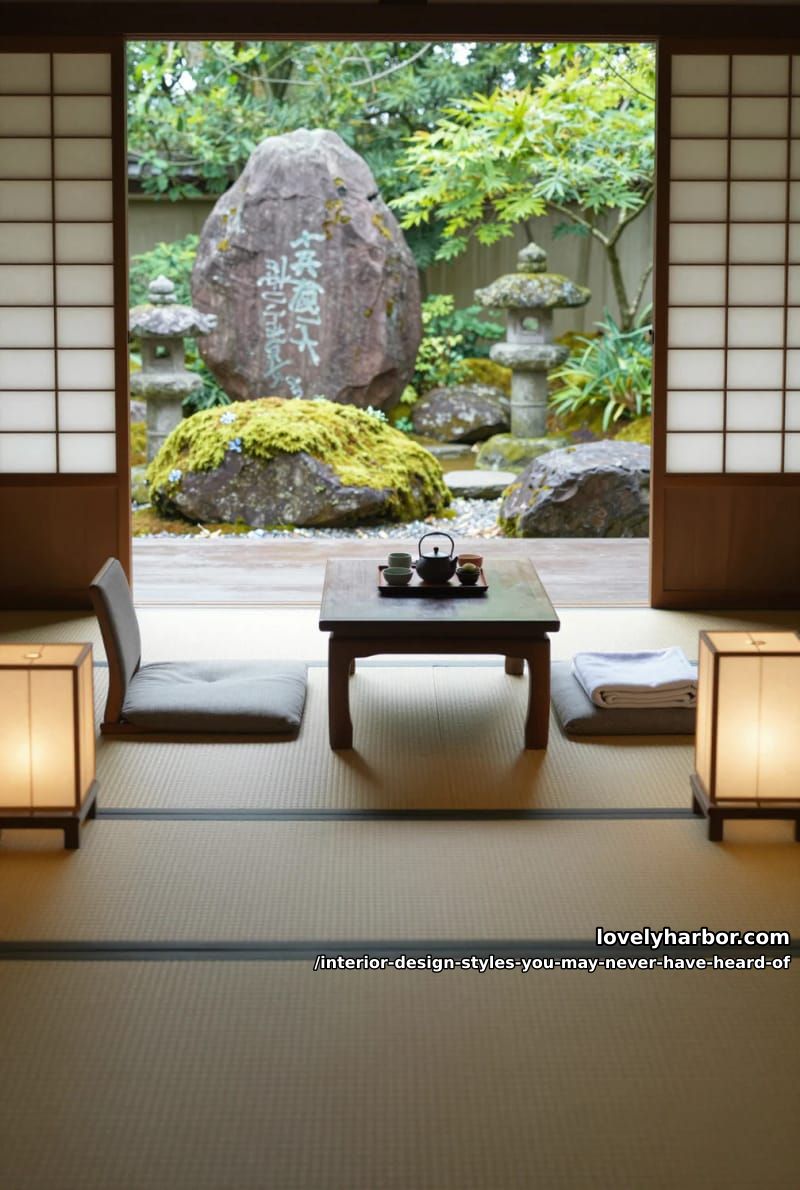
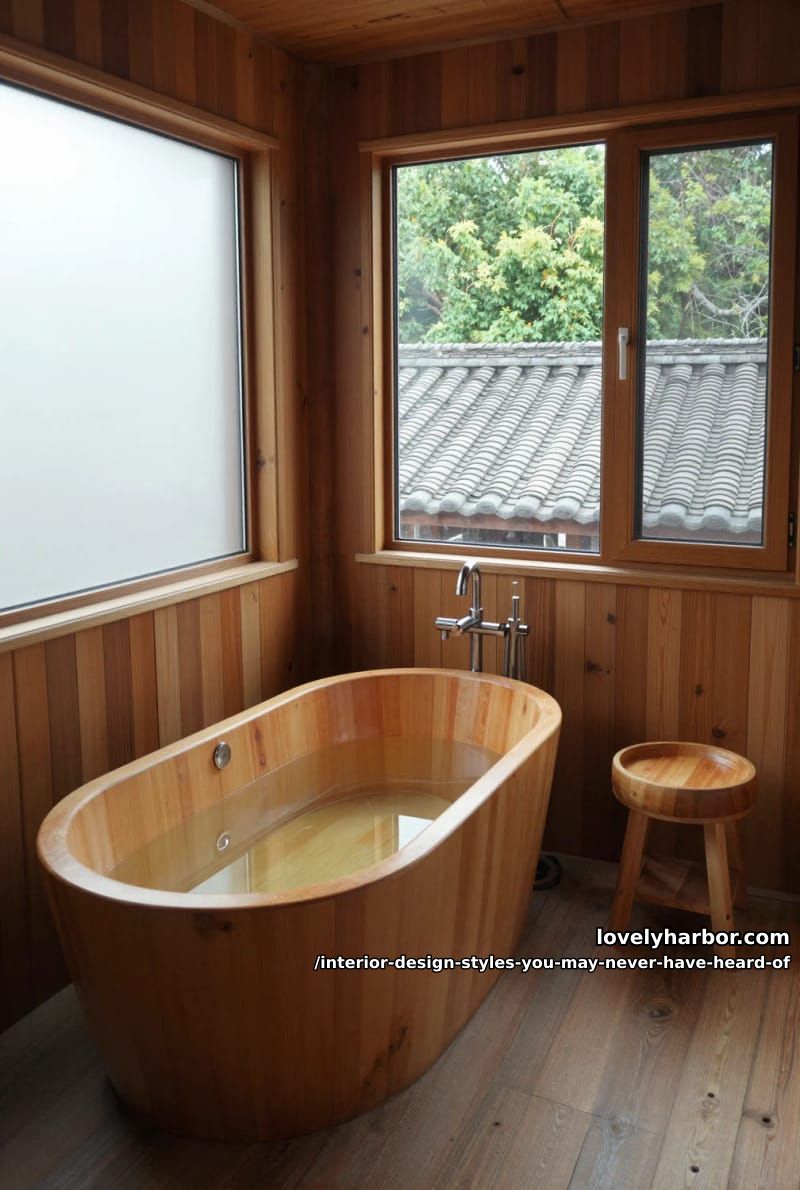
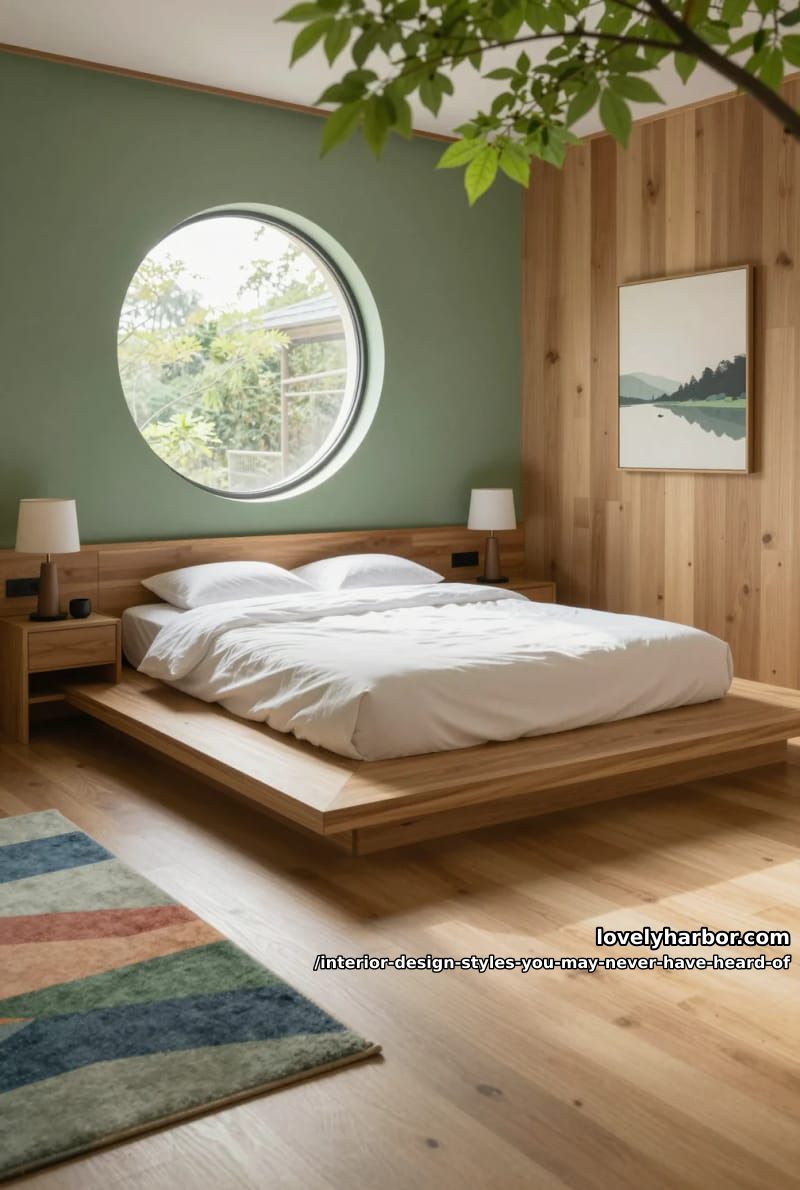
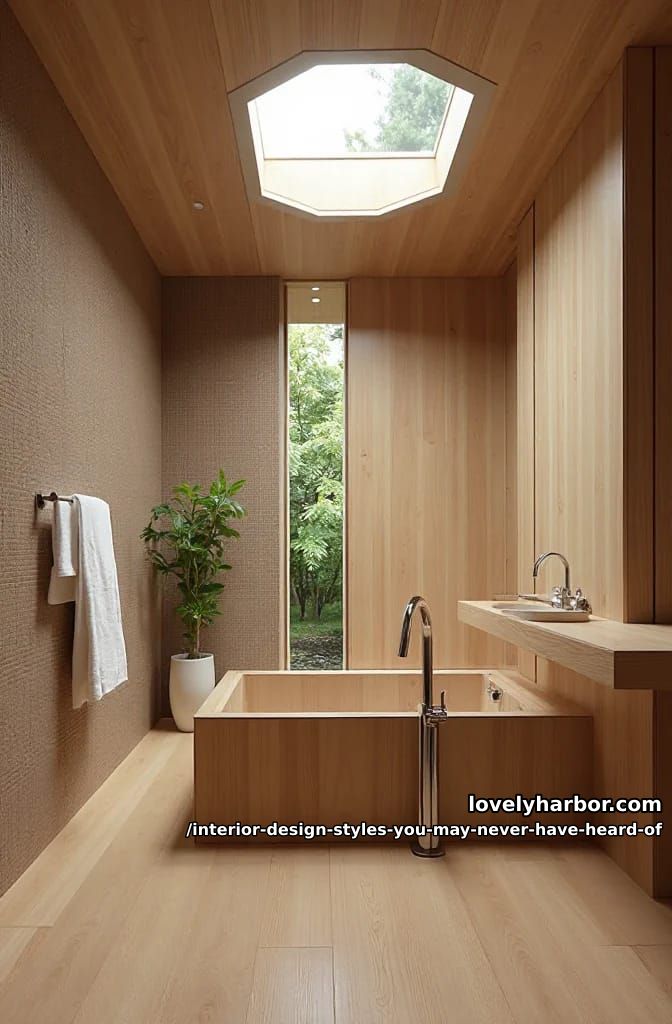
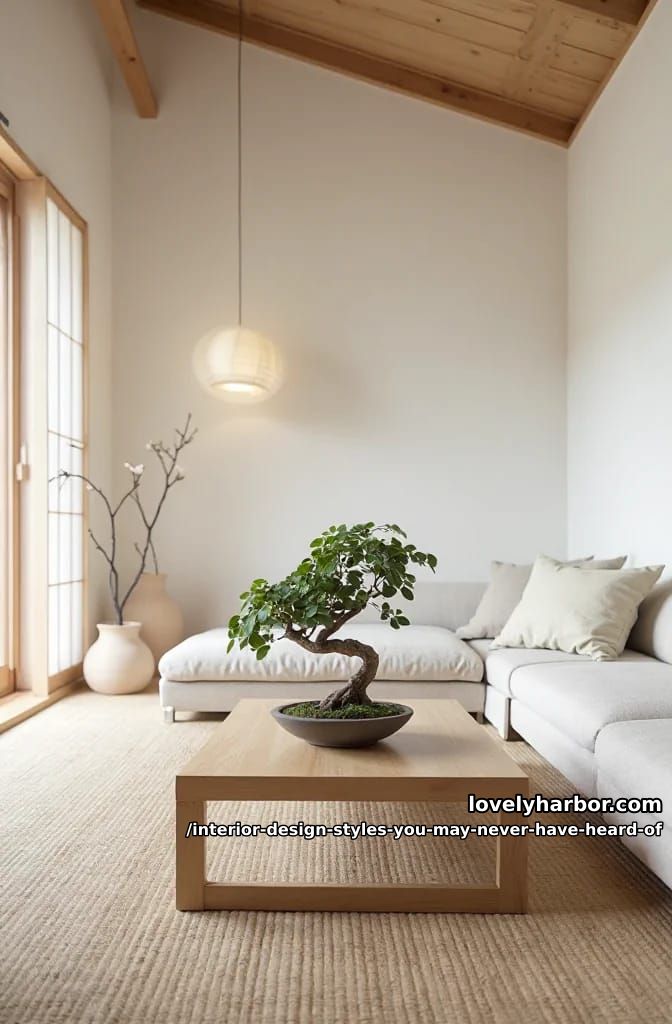
Kanso is frequently confused with minimalism, but the two are not identical. Minimalism often asks what can be removed. Kanso asks what deserves to remain.
Rooted in Japanese Zen philosophy, the style focuses on essential objects, uncluttered spaces, and visual calm. The goal isn't emptiness. It's clarity. A room designed around Kanso feels deliberate because every object has survived a process of elimination.
Removing furniture without solving storage usually creates visual chaos elsewhere in the home. Kanso requires organization as much as reduction.
4. Sunken Utopian Modern
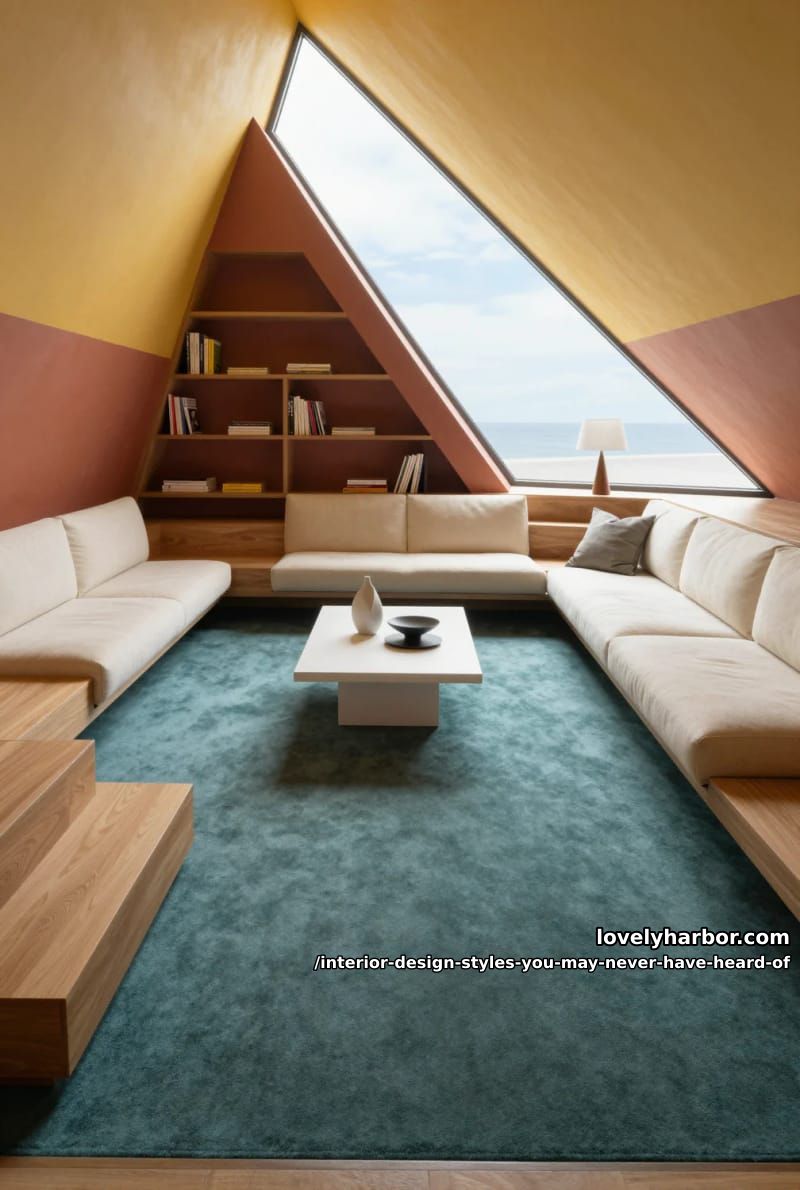
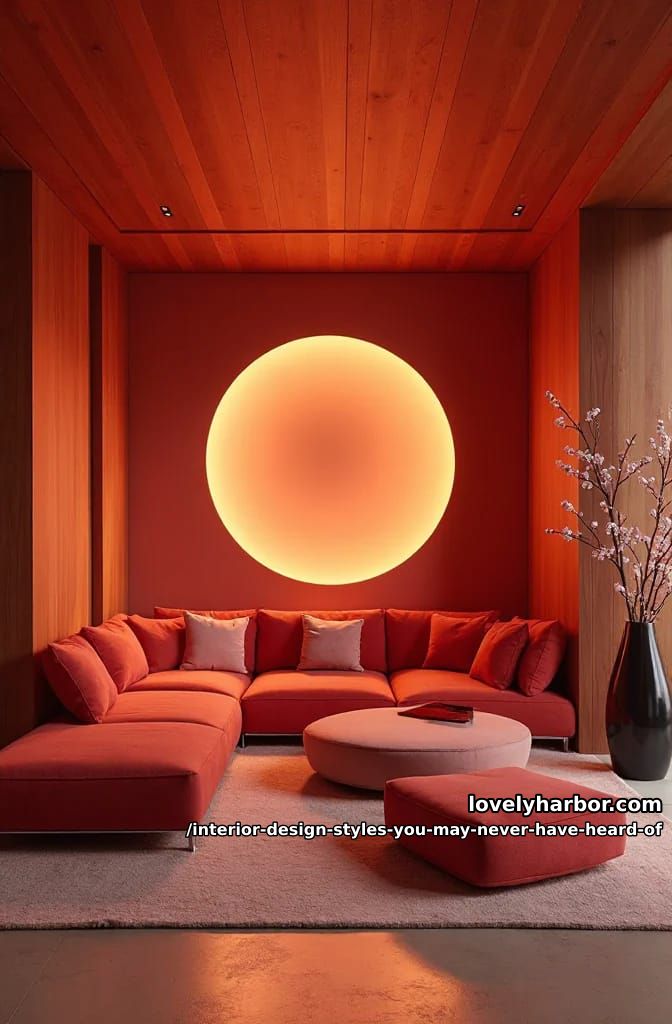
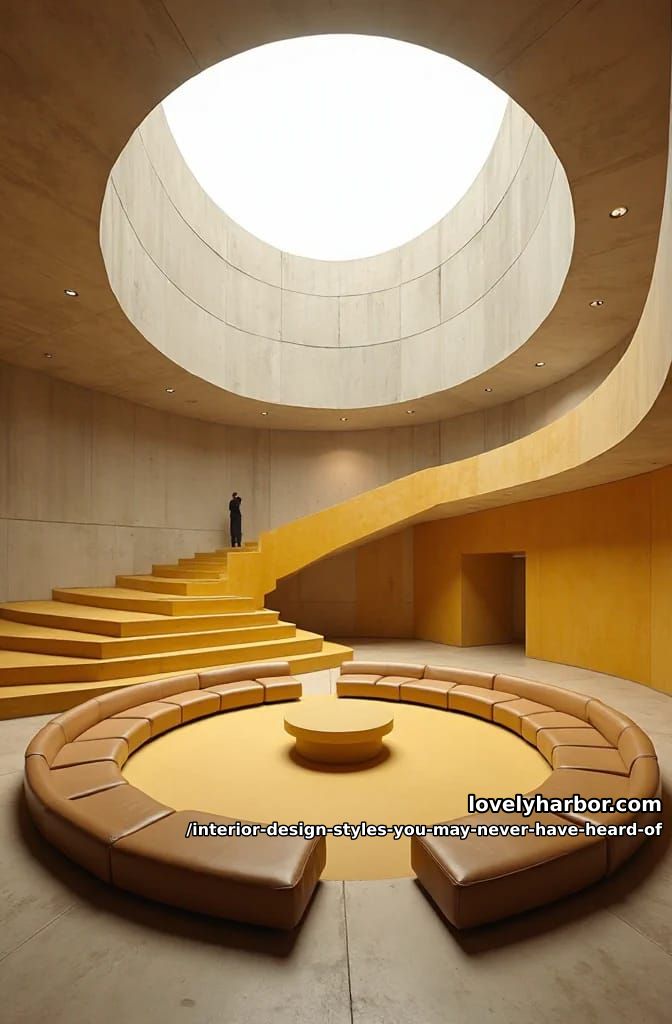
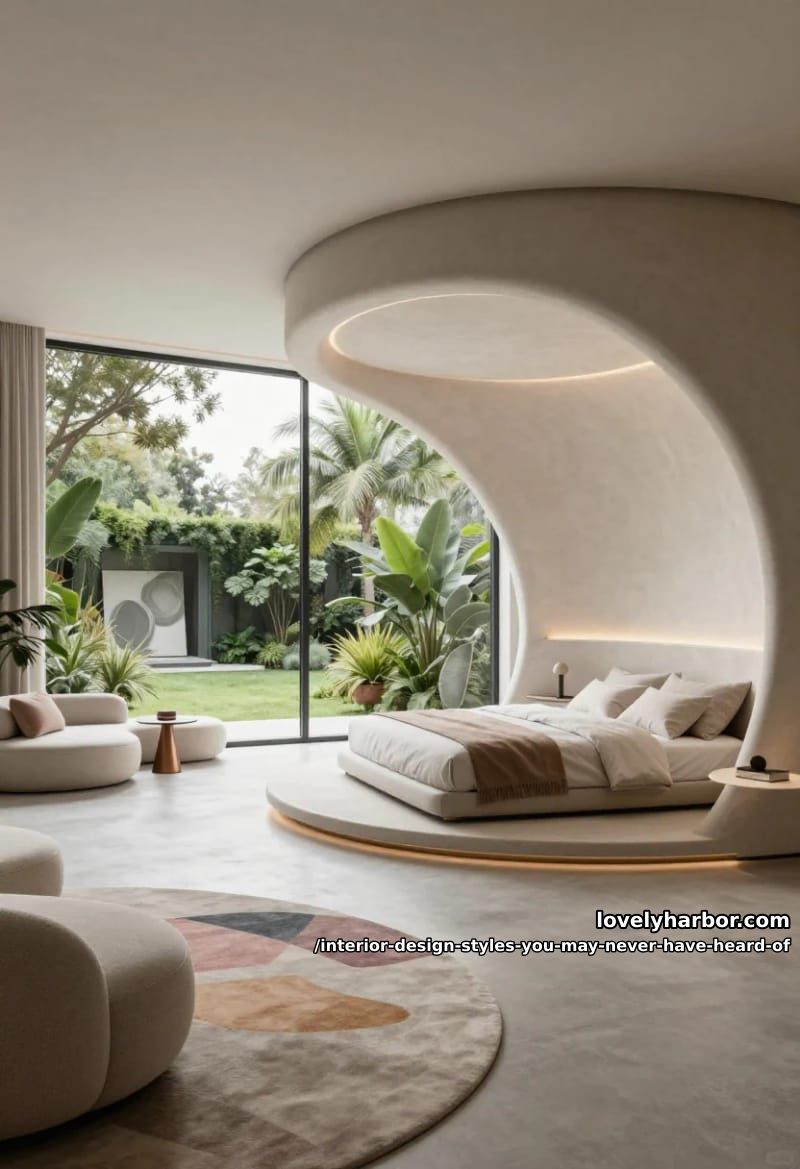
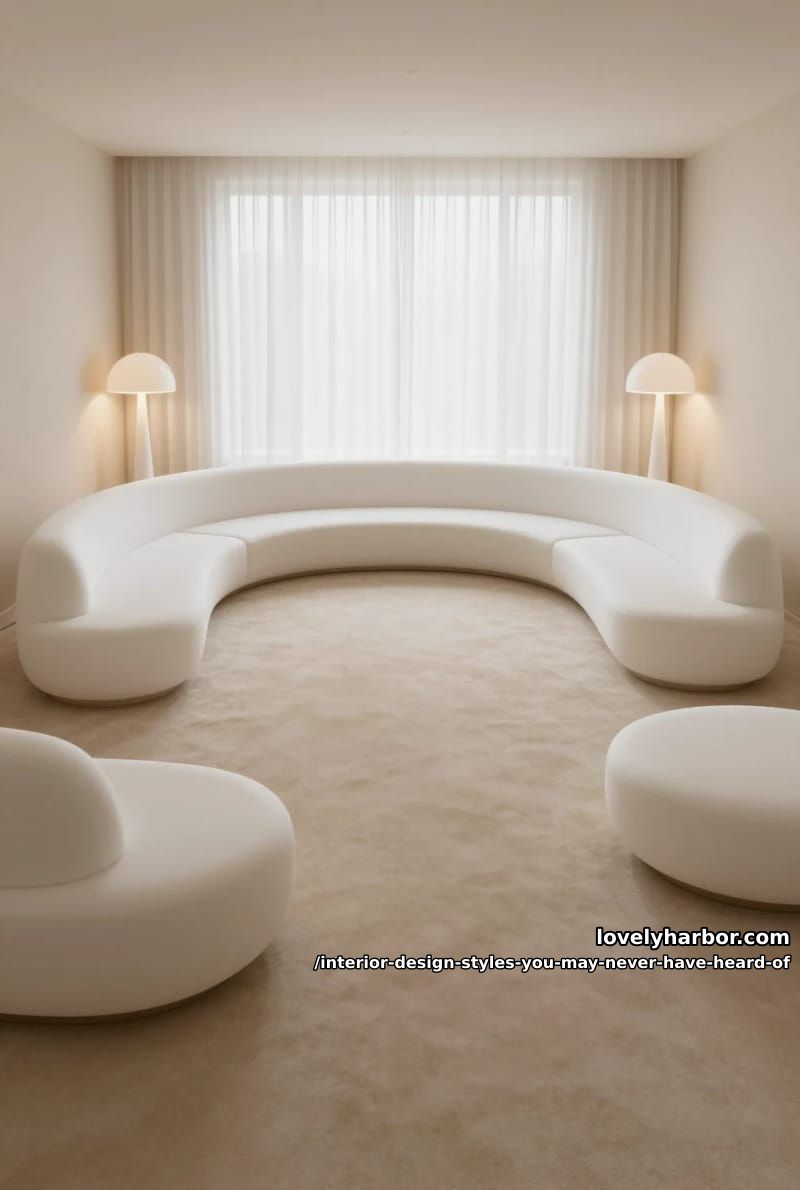
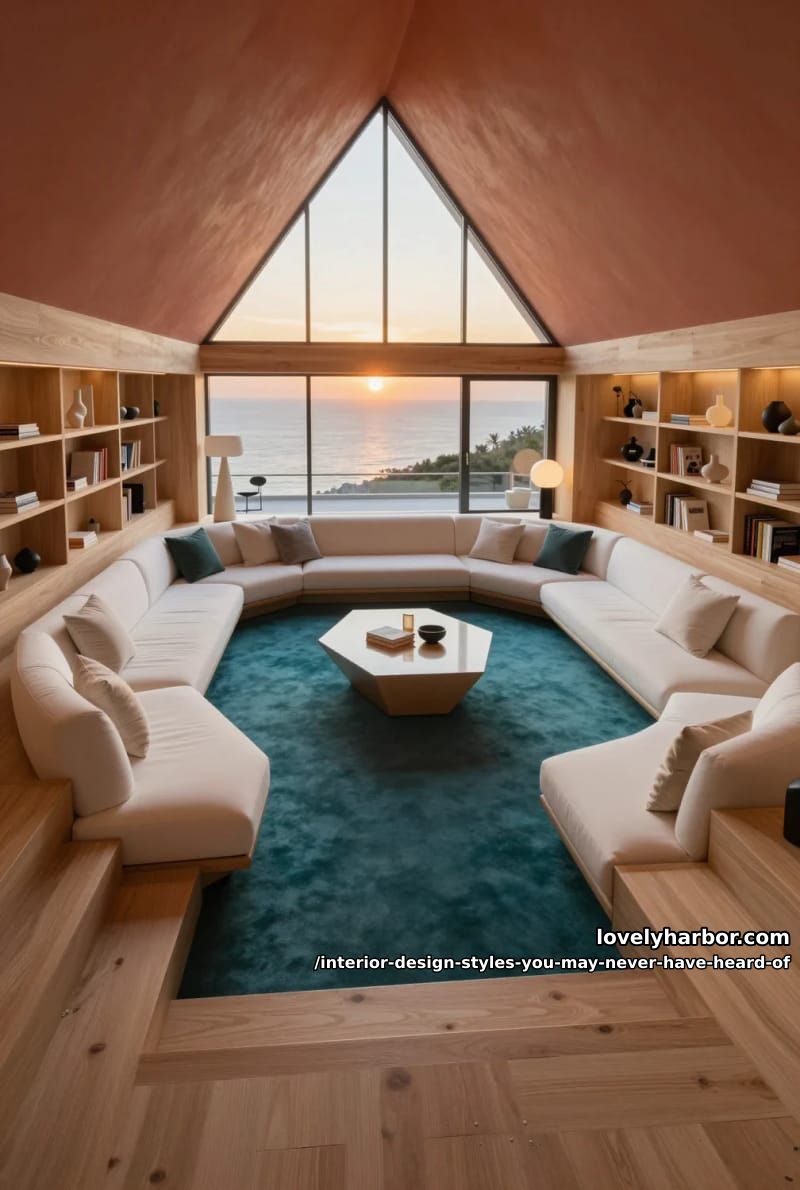
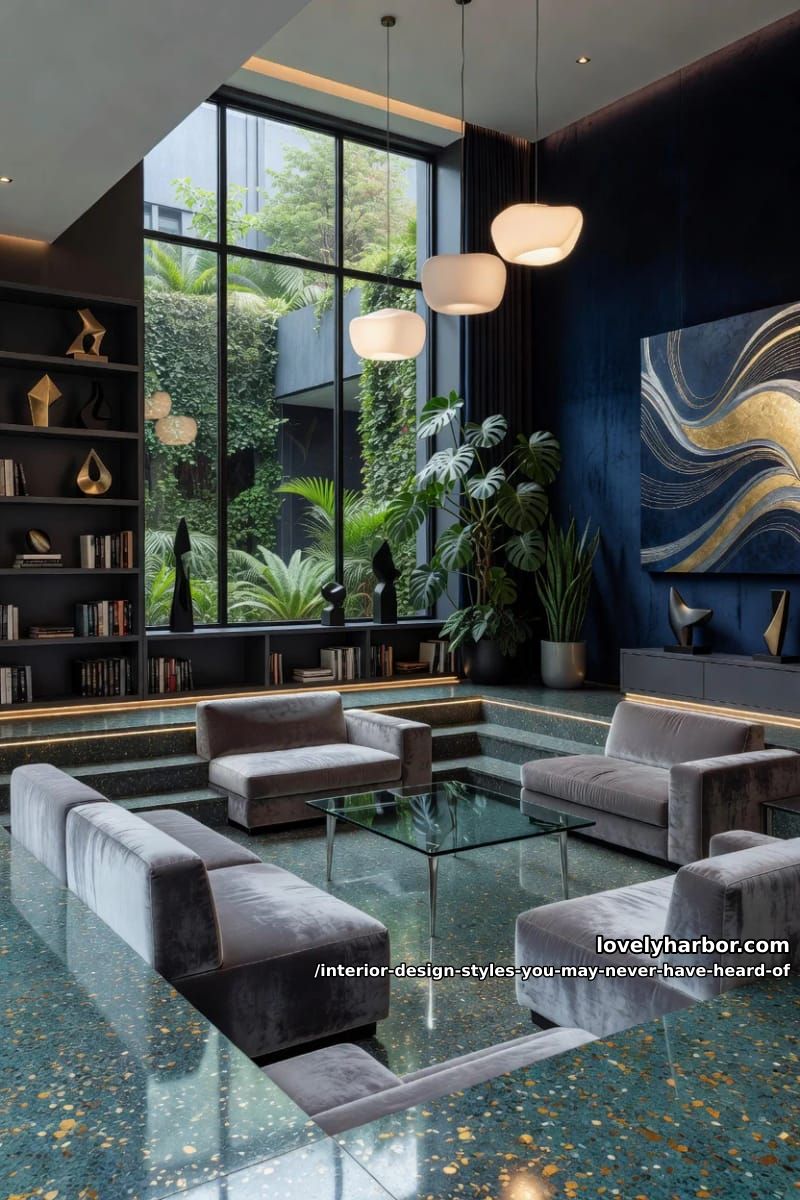
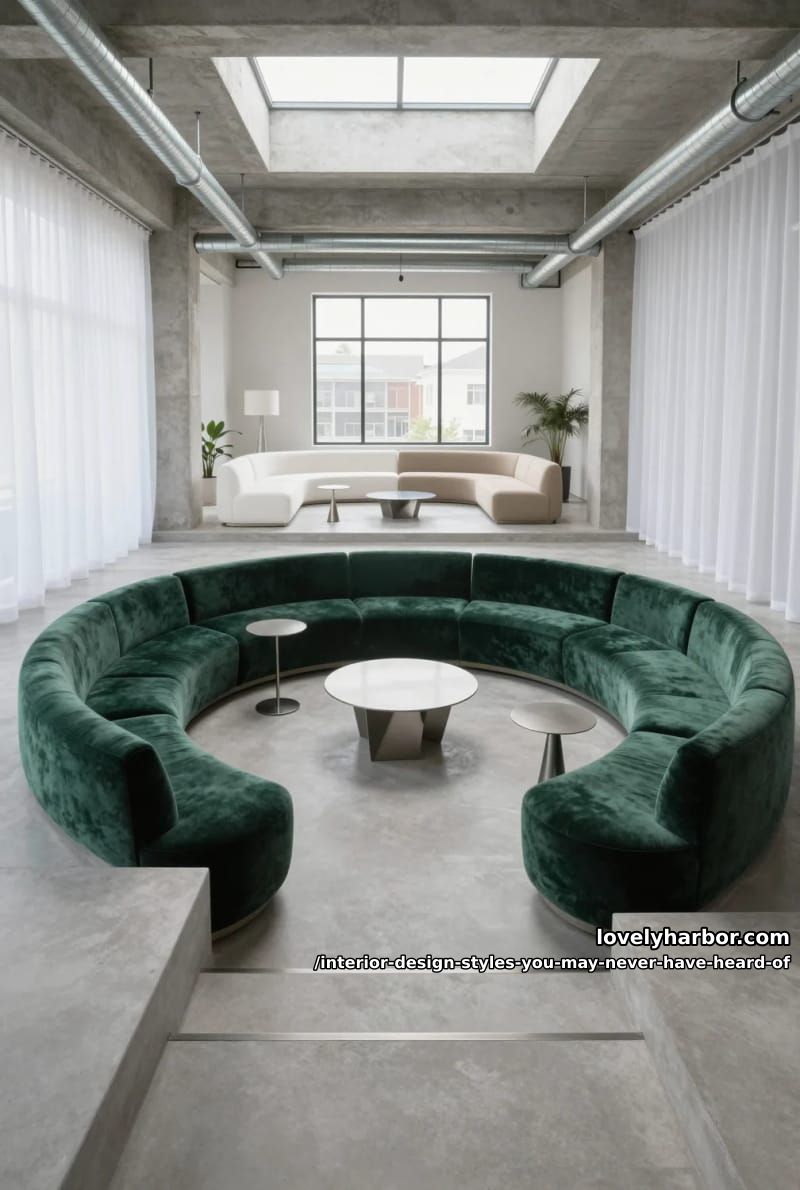
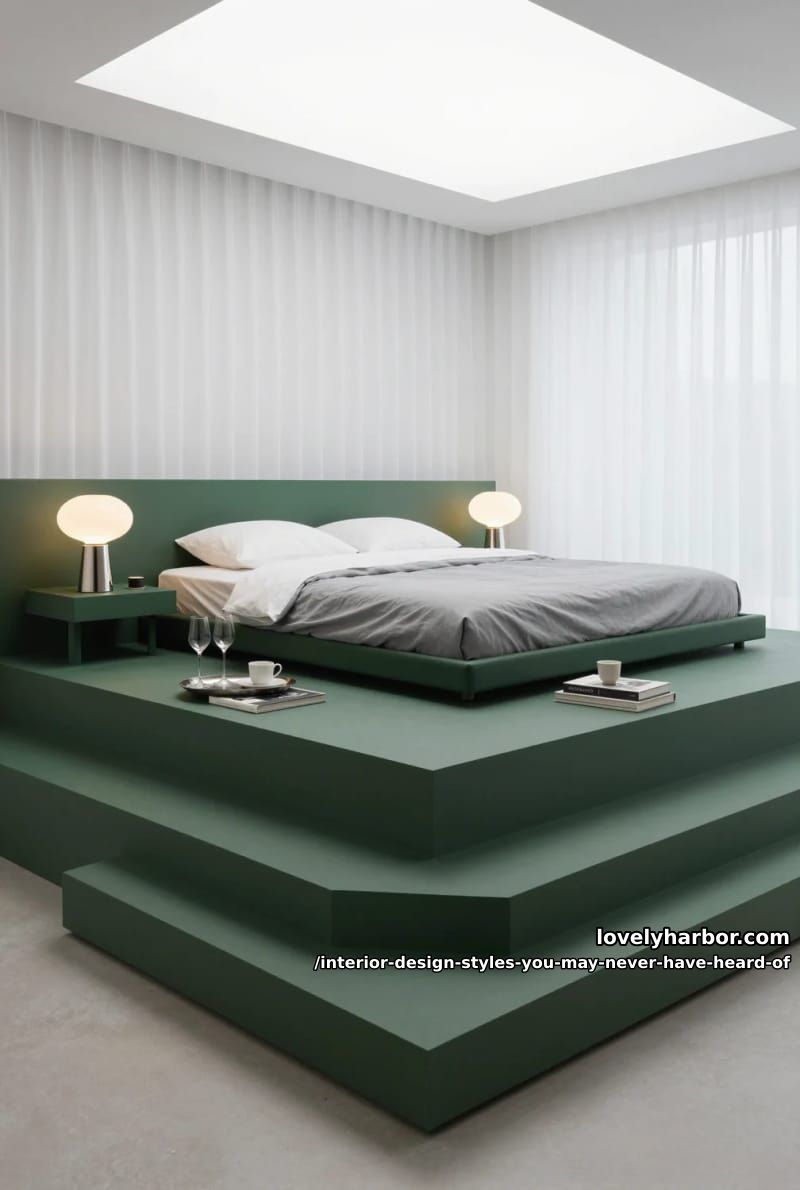
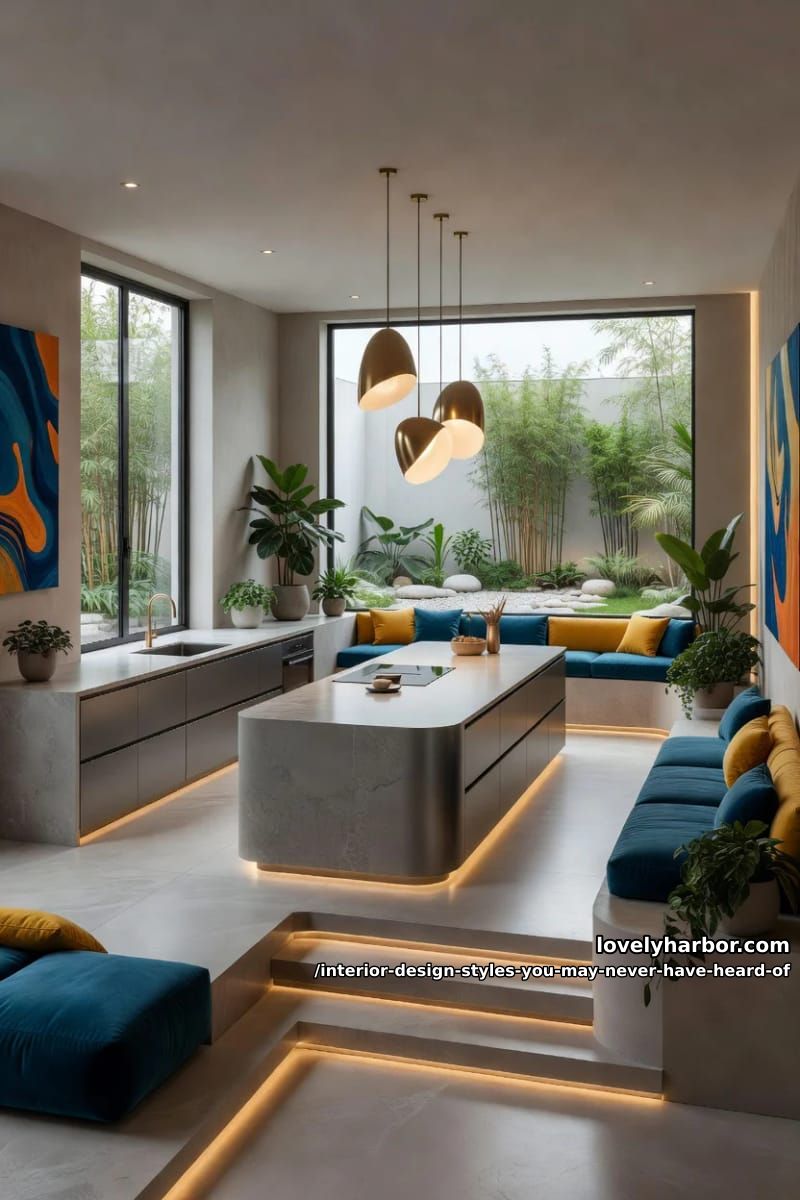
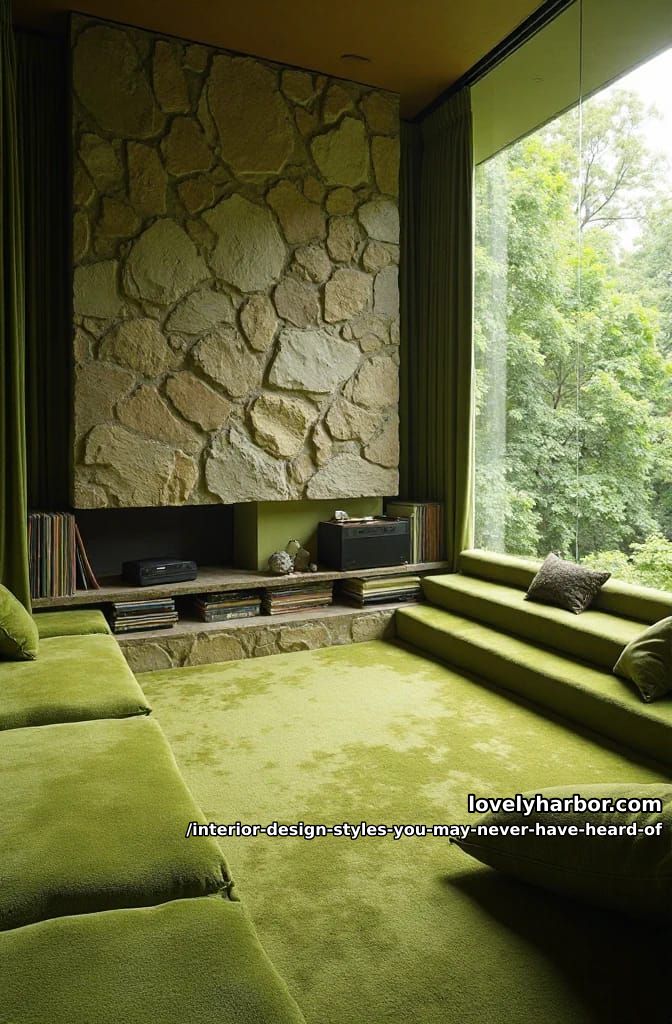
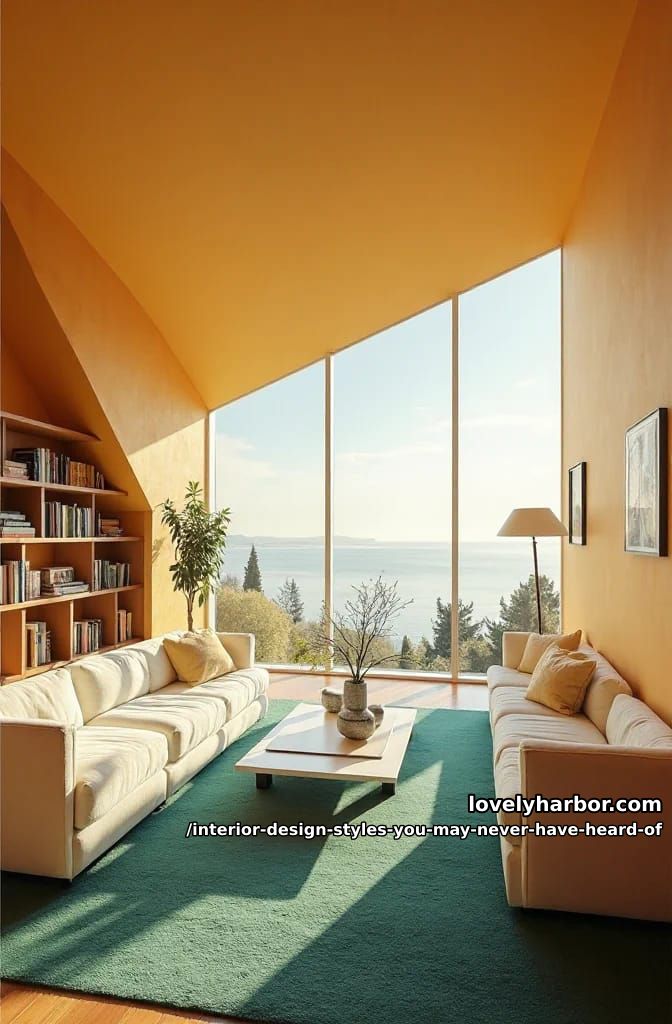
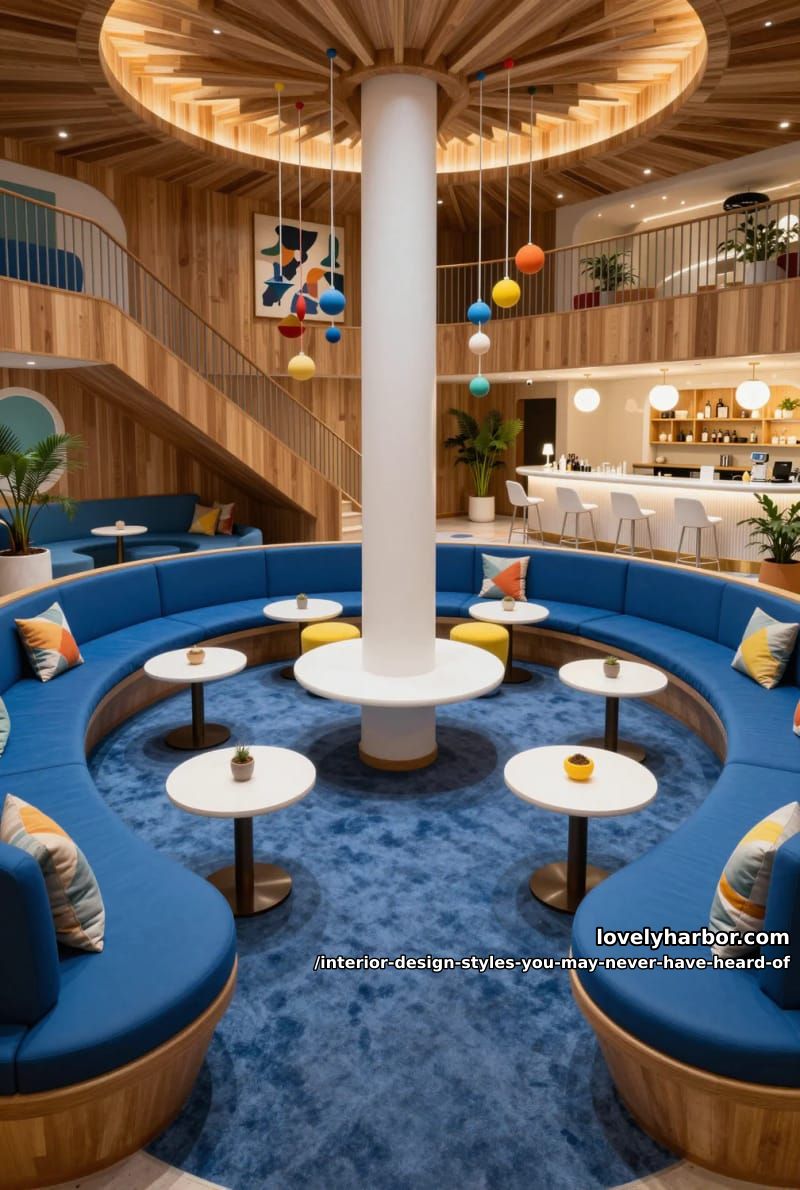
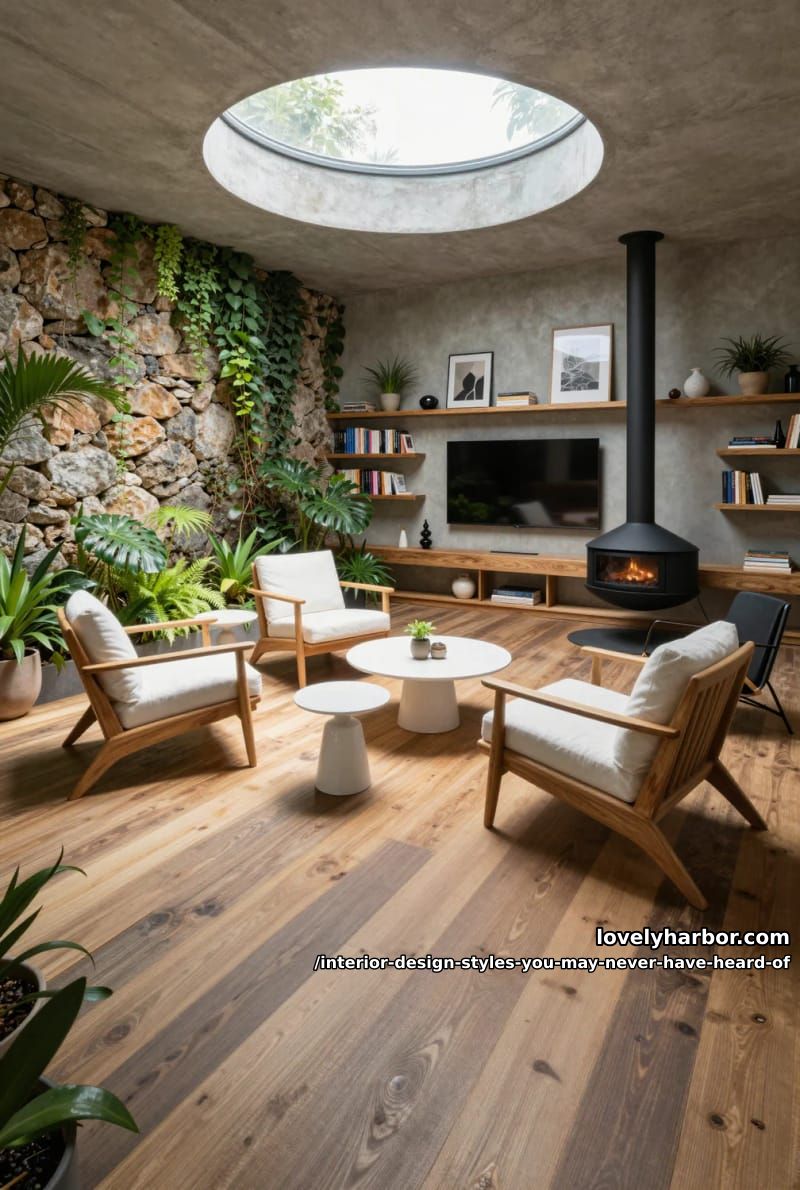
Conversation pits are making a quiet comeback. What felt dated for decades suddenly feels relevant again in a world saturated with screens.
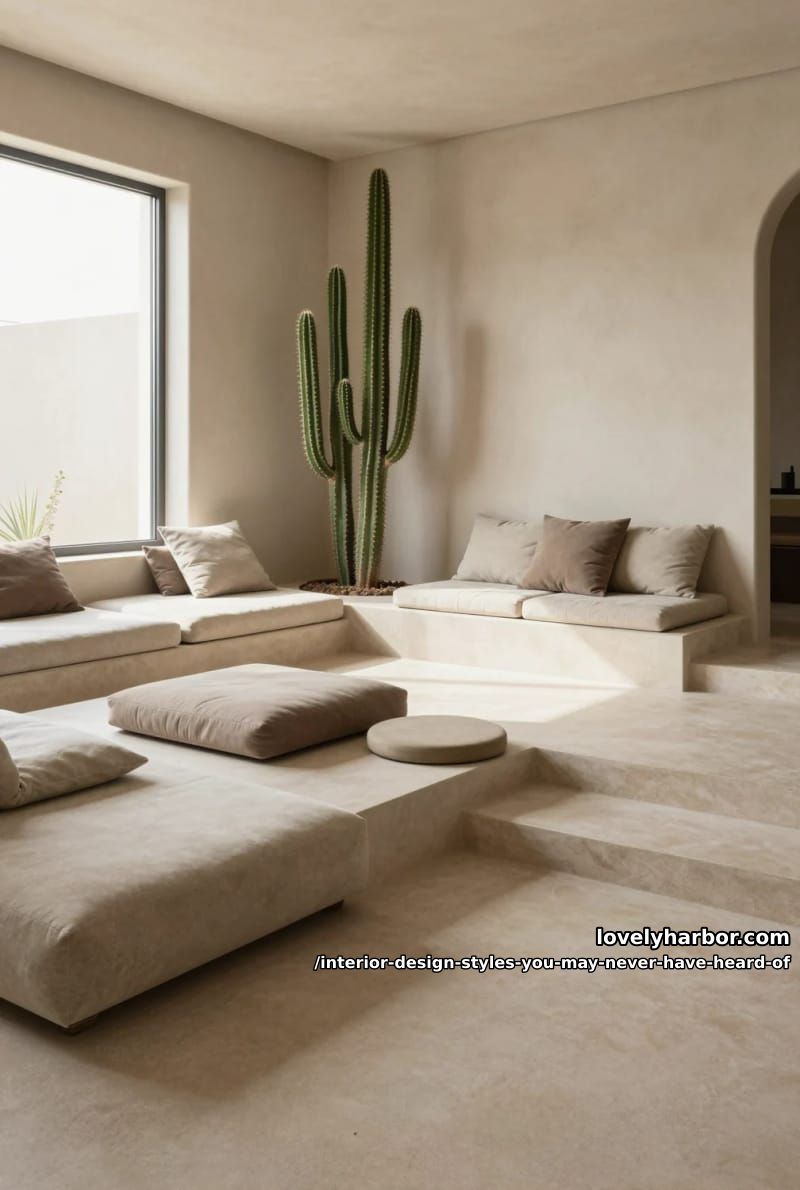
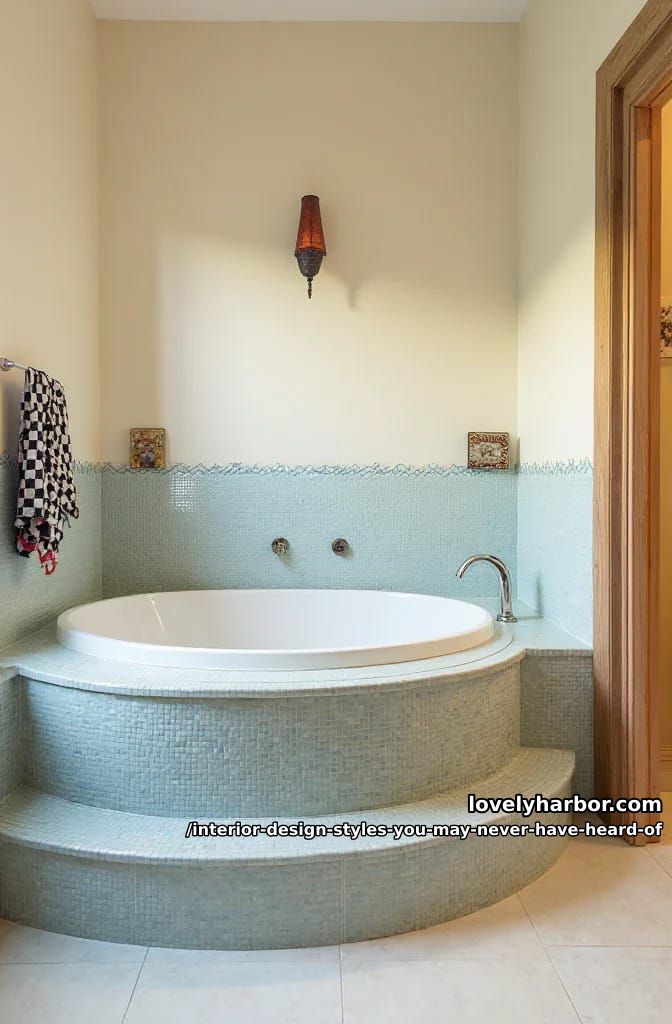
Sunken Utopian Modern design centers around recessed gathering spaces that encourage interaction. The floor literally drops, creating a room within a room. The best examples pair those structural features with earthy materials, built-in seating, and restrained mid-century detailing.
The Room Becomes the Furniture
Architecture replaces freestanding seating arrangements.
Conversation pits succeed because the architecture itself creates intimacy. The space does the work before a single decorative object enters the room.
5. Memphis Group
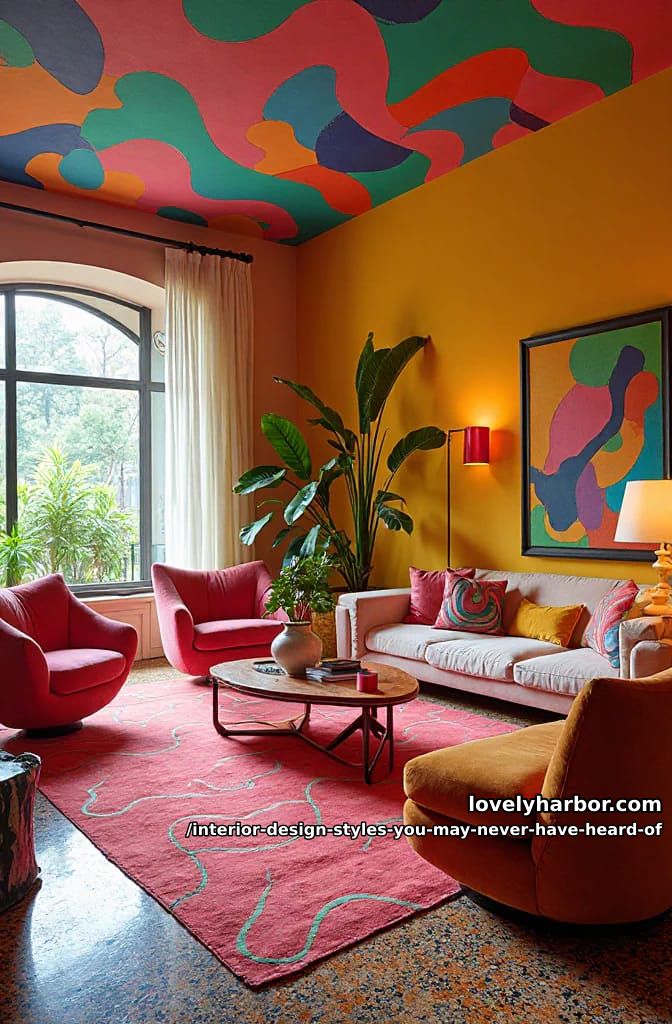
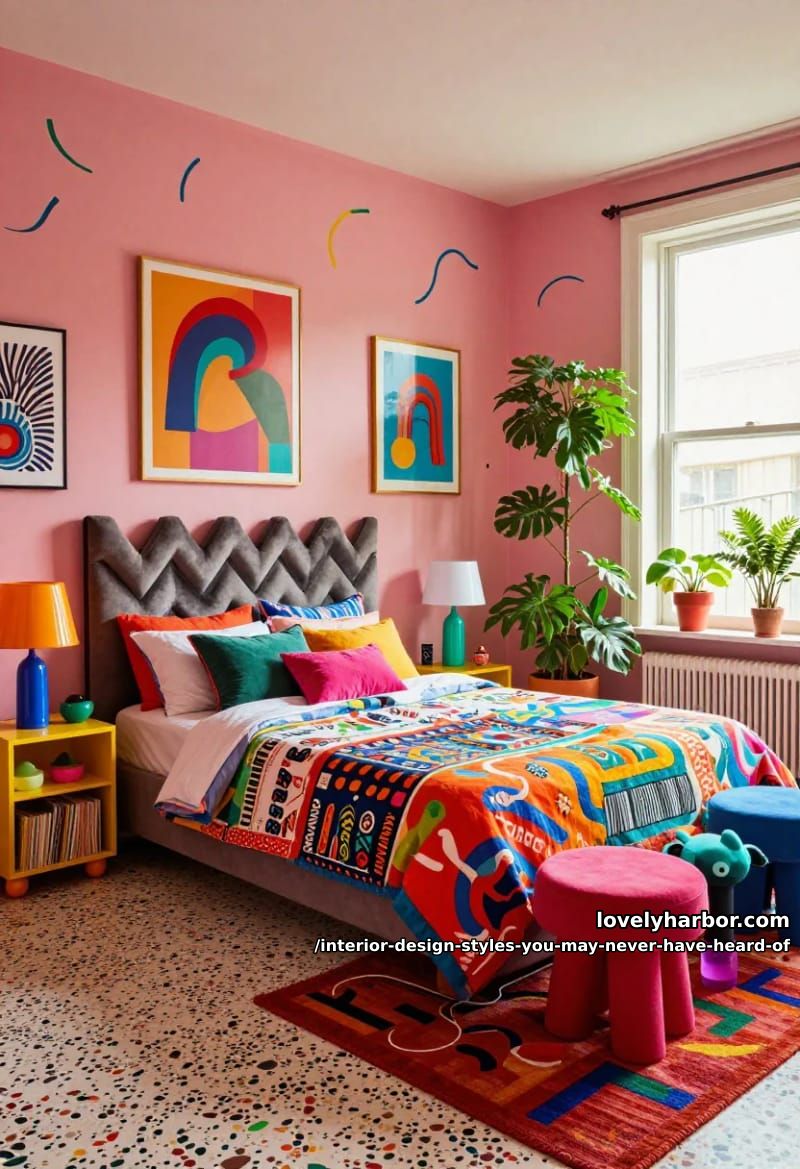
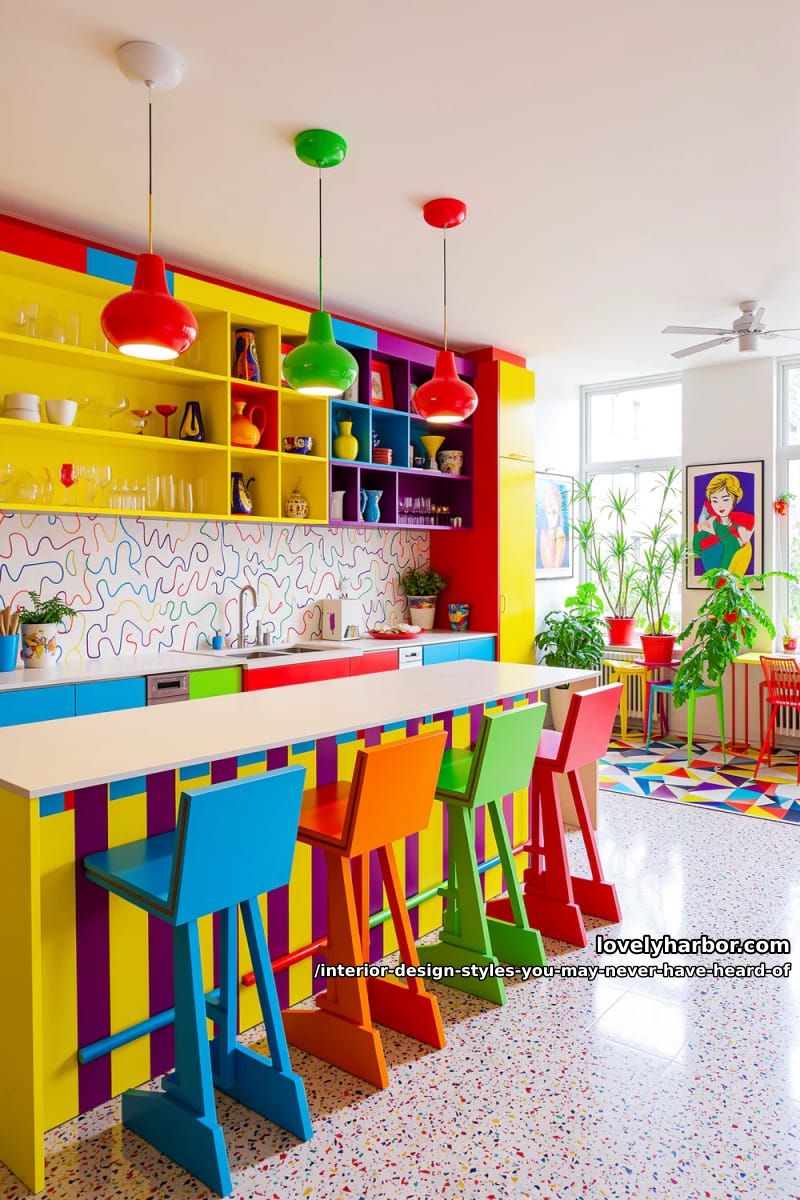
The Memphis Group treated conventional taste as something worth challenging. Founded in Italy during the 1980s, the movement embraced colors, patterns, and shapes that many designers considered outrageous.
Its influence can still be seen in contemporary furniture, graphic design, and social media interiors. Most homeowners are better served borrowing one Memphis piece rather than recreating an entire room. A single cabinet or lamp often creates more impact than a full commitment to the aesthetic.
6. French Provincial
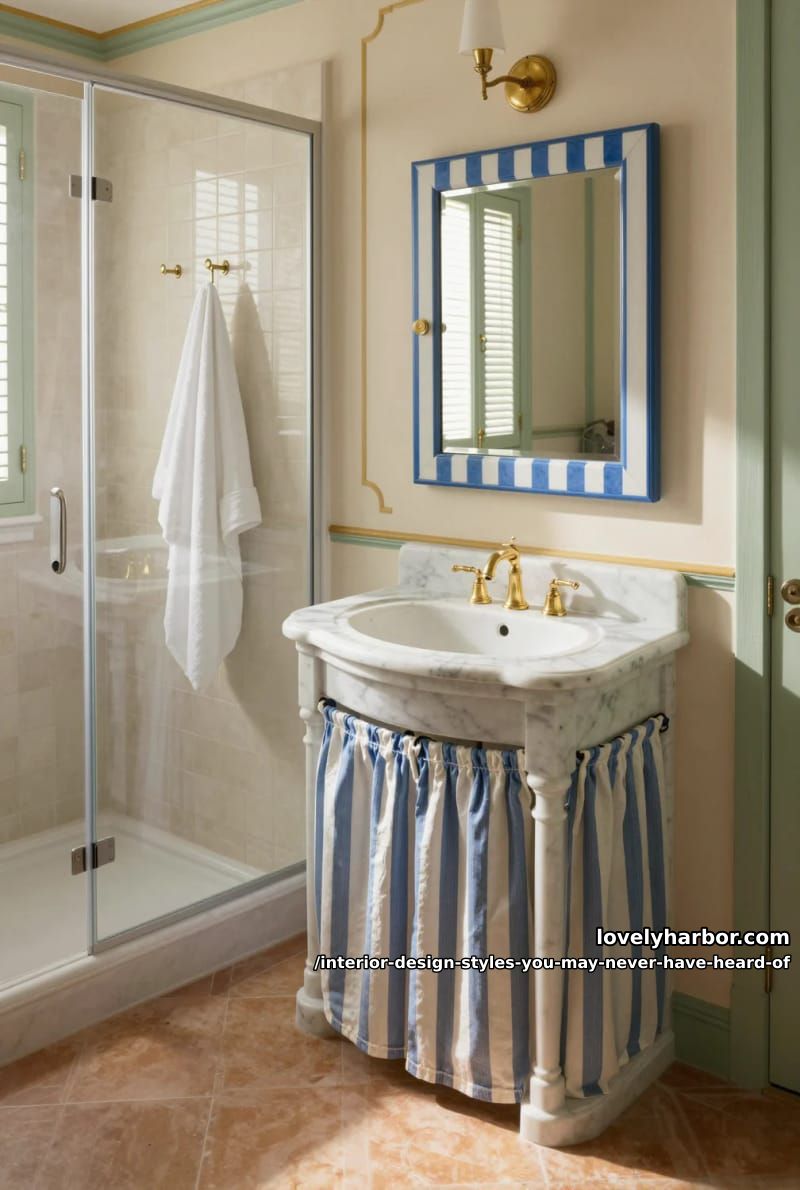
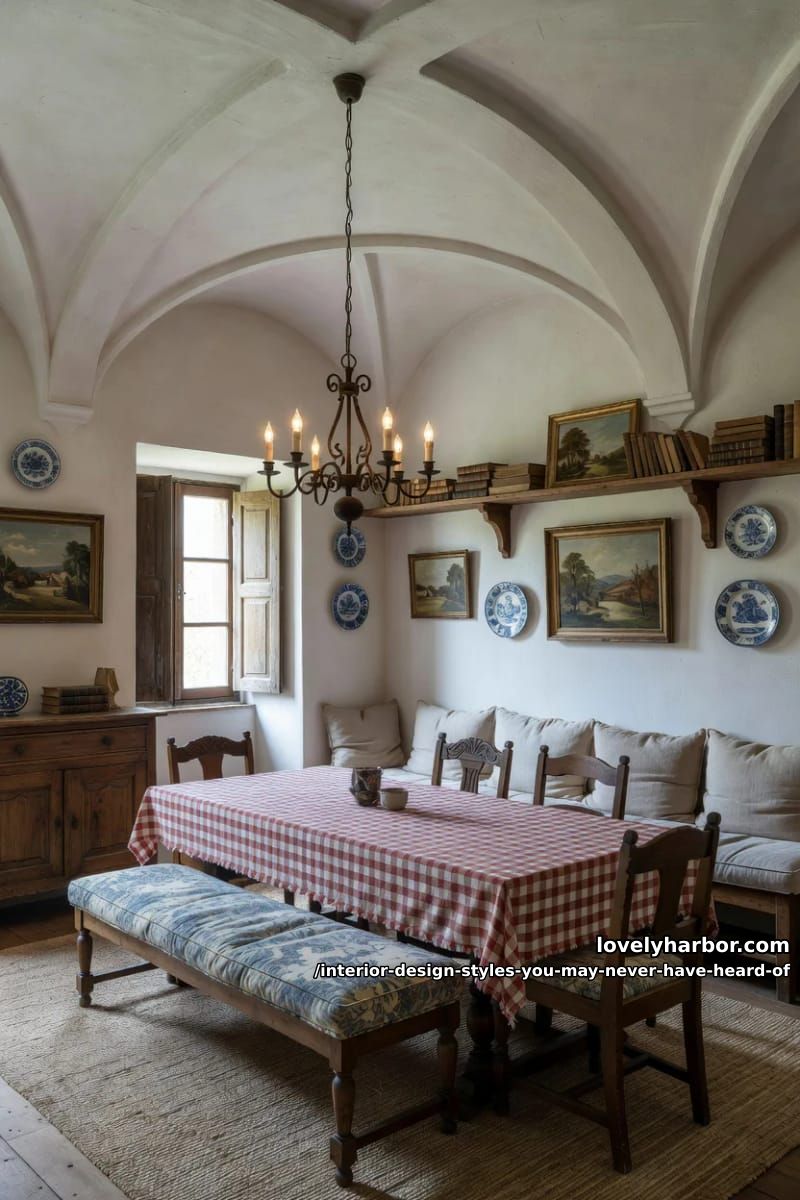
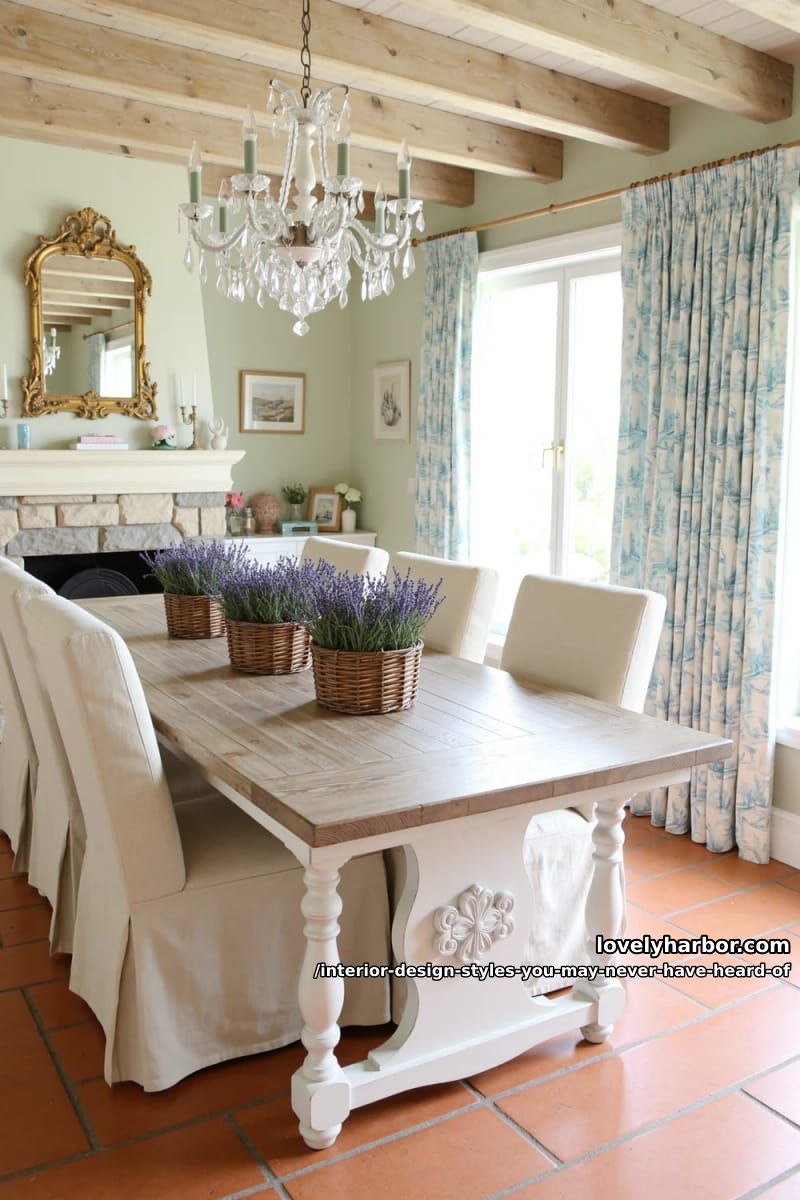
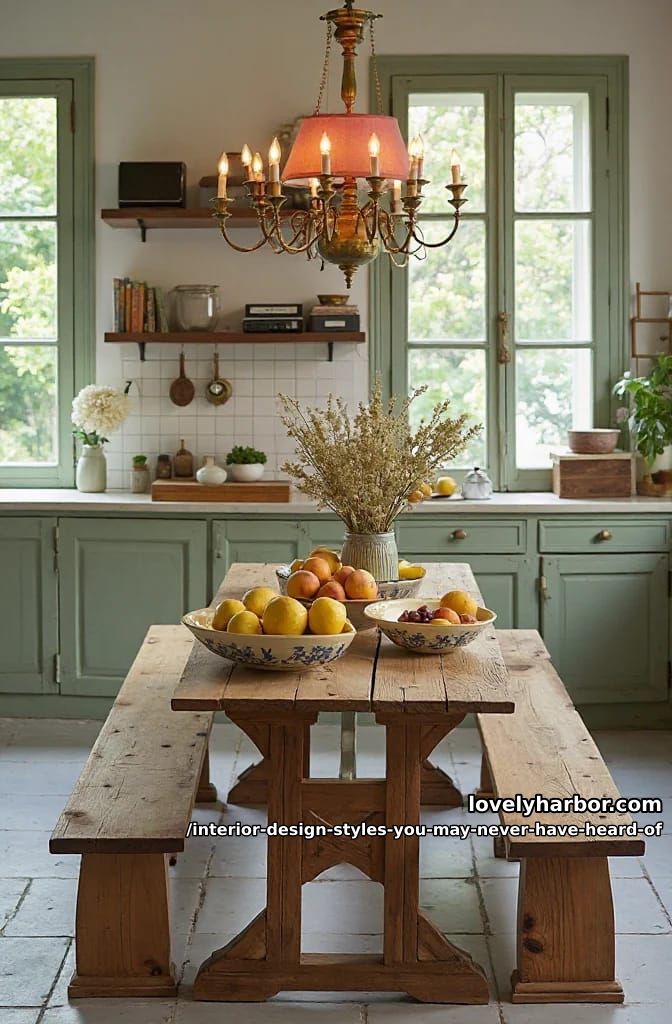
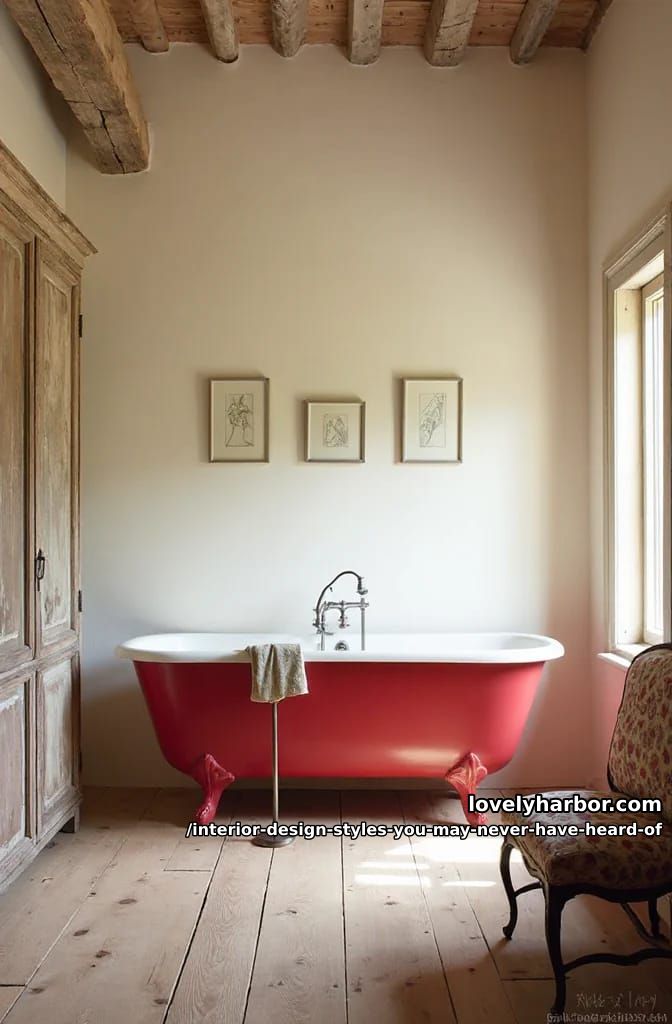
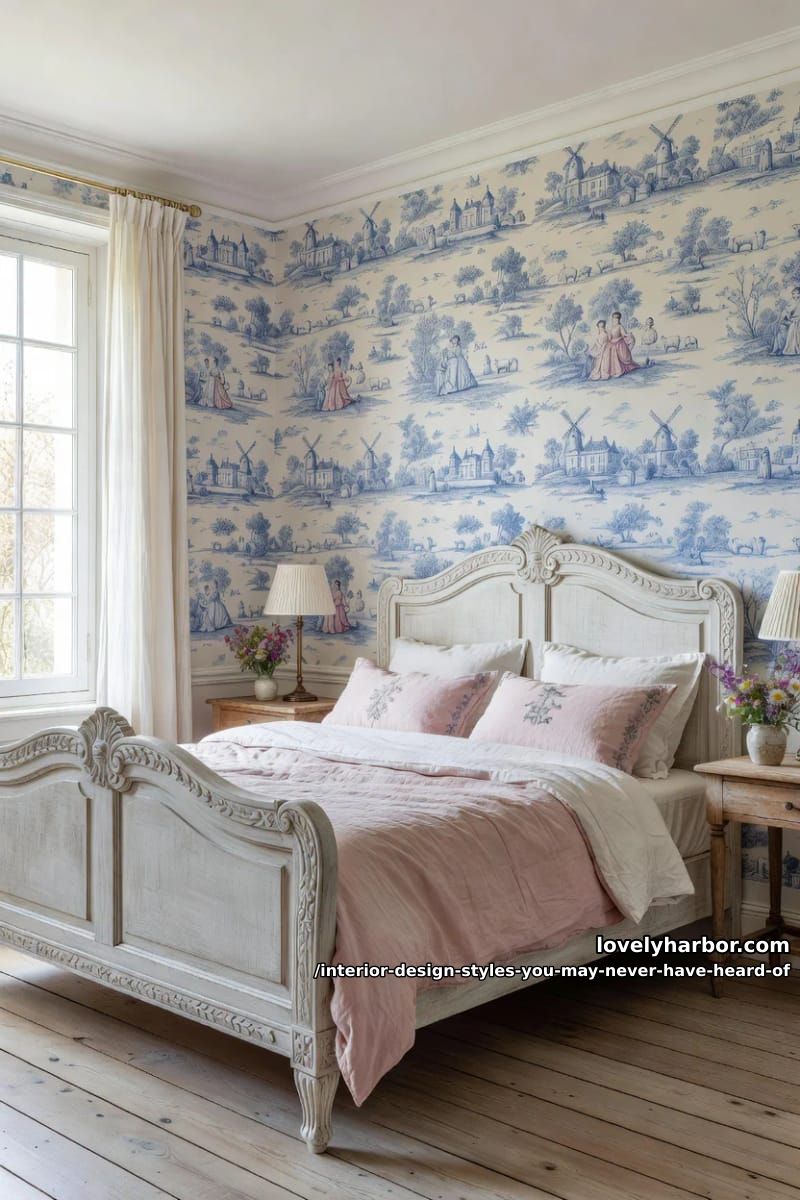
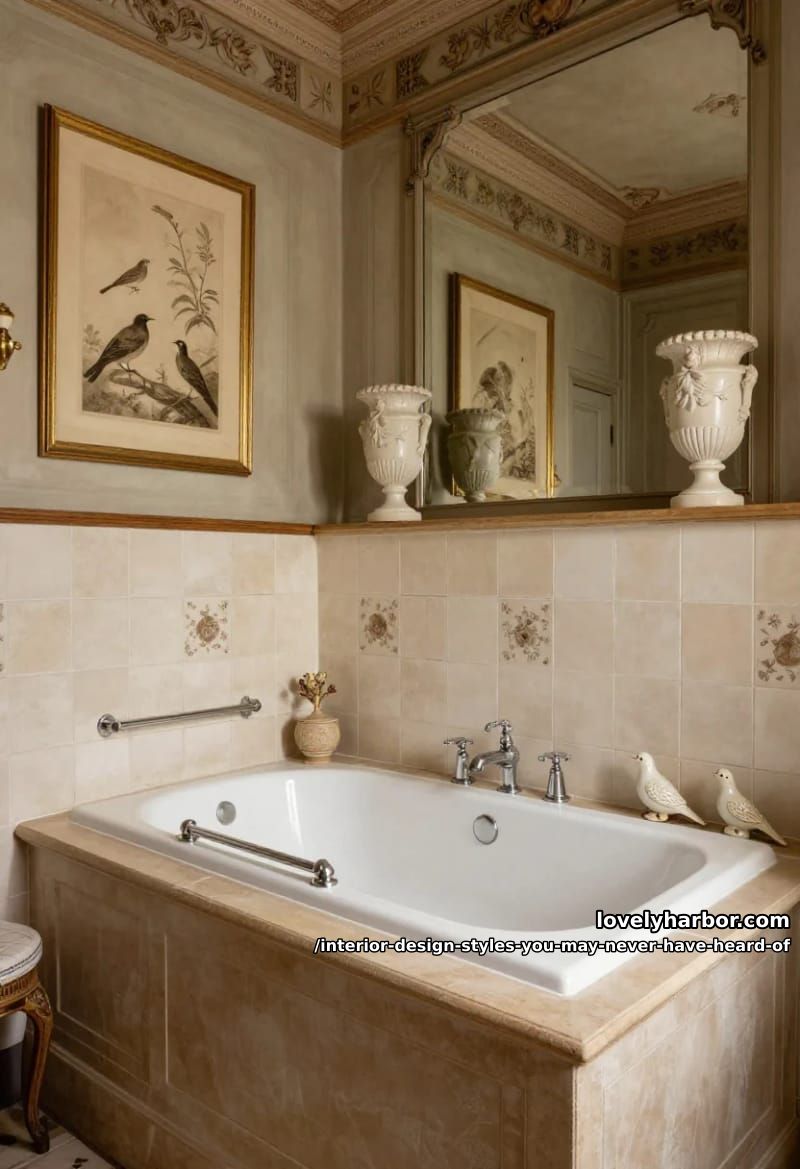
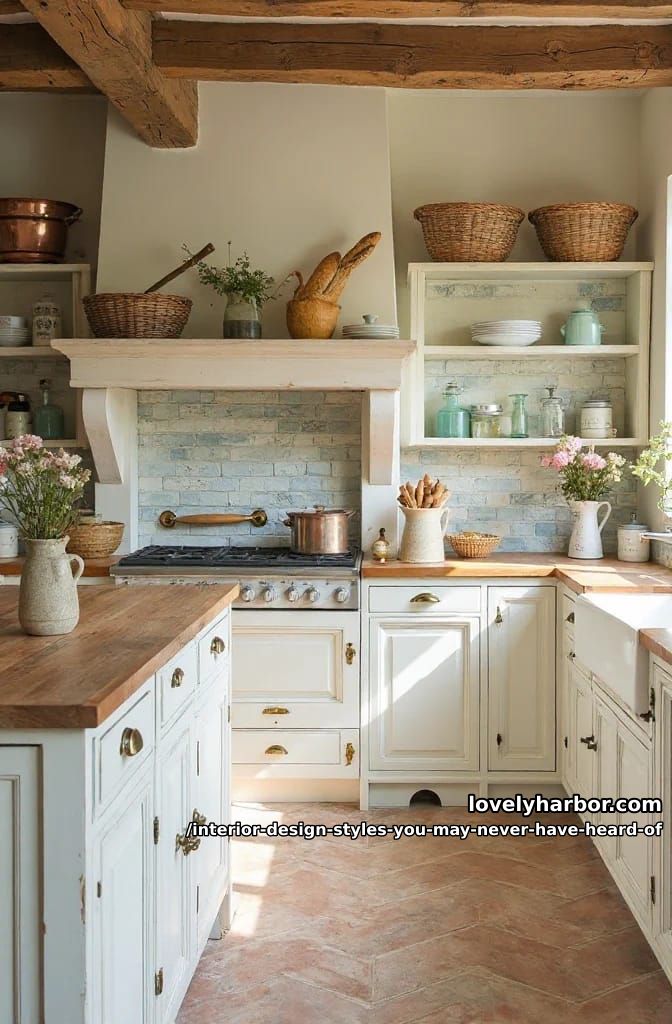
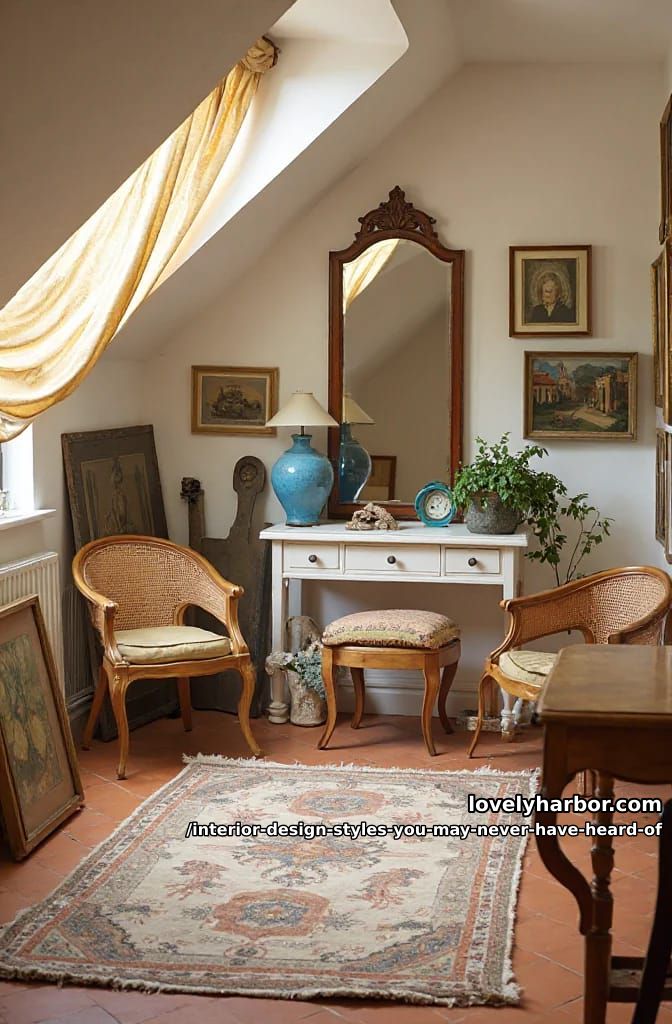
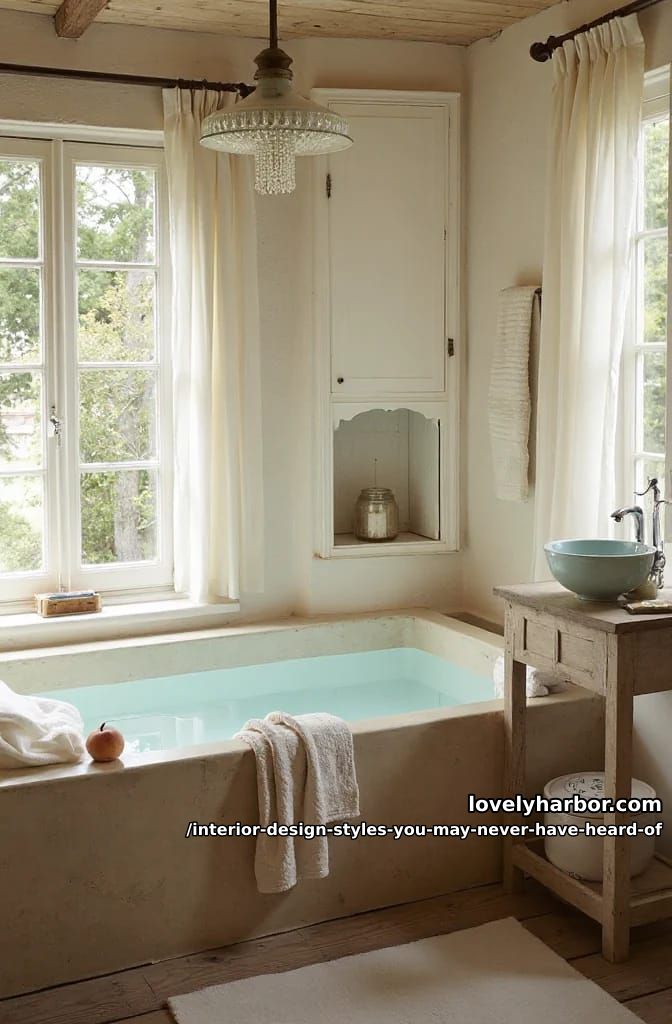
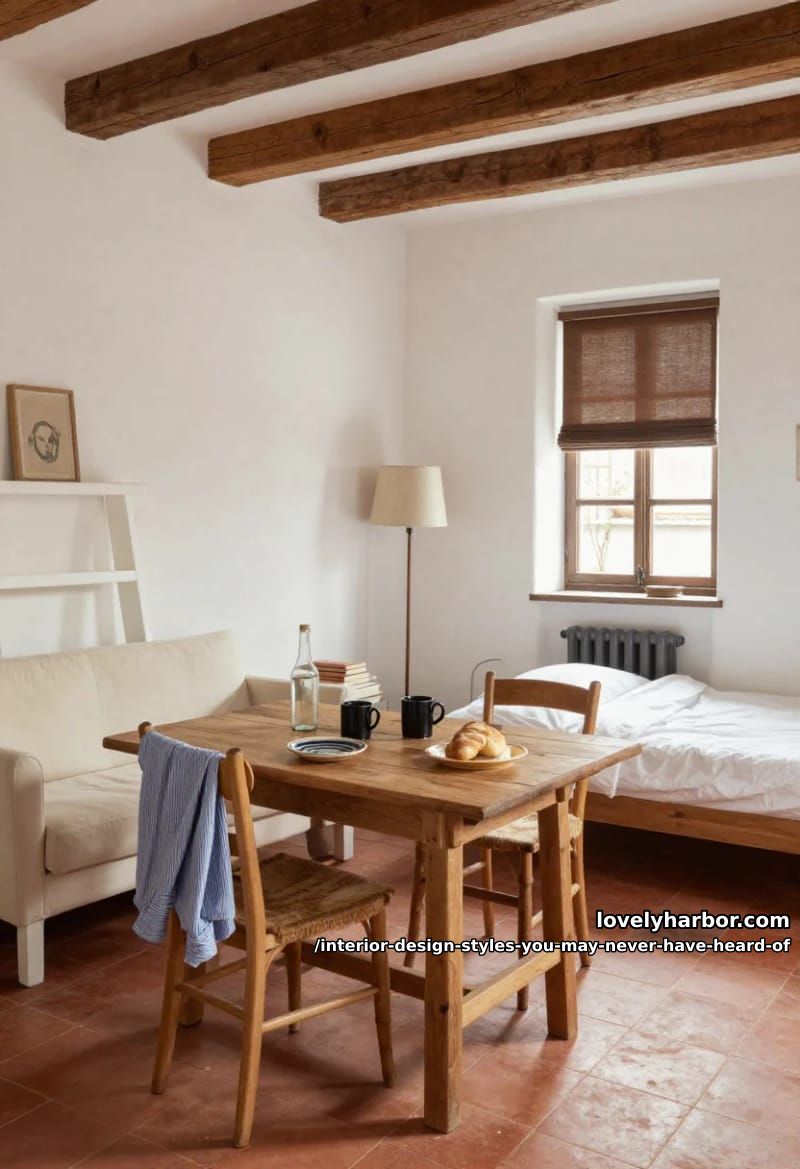
French Provincial sits in the narrow space between rustic and refined. It draws from countryside homes rather than grand Parisian apartments, blending carved furniture, muted palettes, and traditional craftsmanship.
The style works particularly well in older homes because it welcomes imperfections. Scratches, patina, and age contribute to the overall character instead of feeling like flaws that need immediate correction.
7. Wabi-Sabi
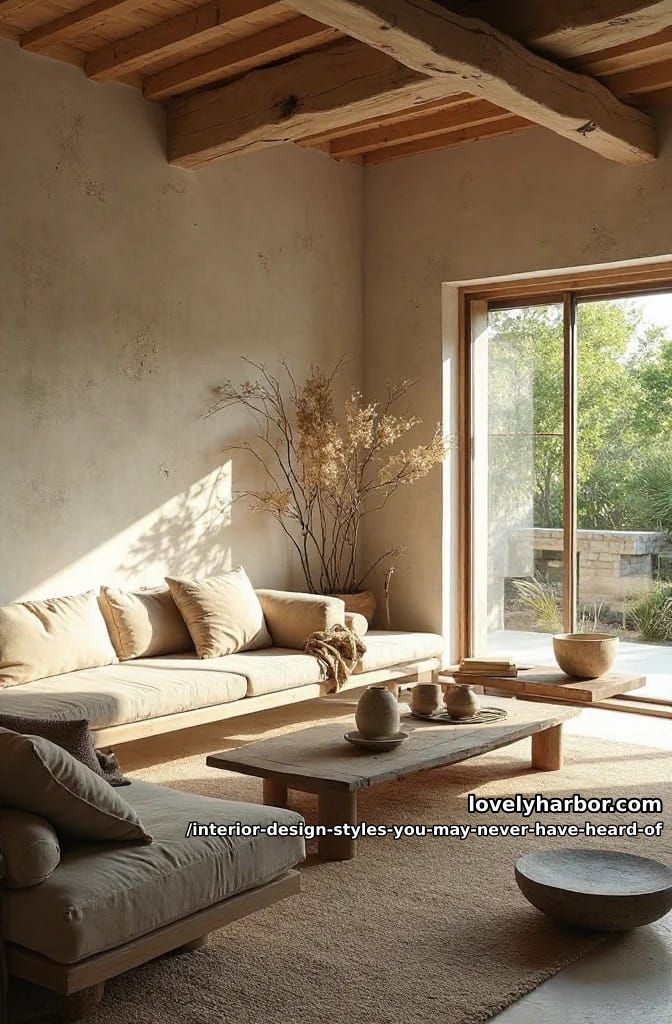
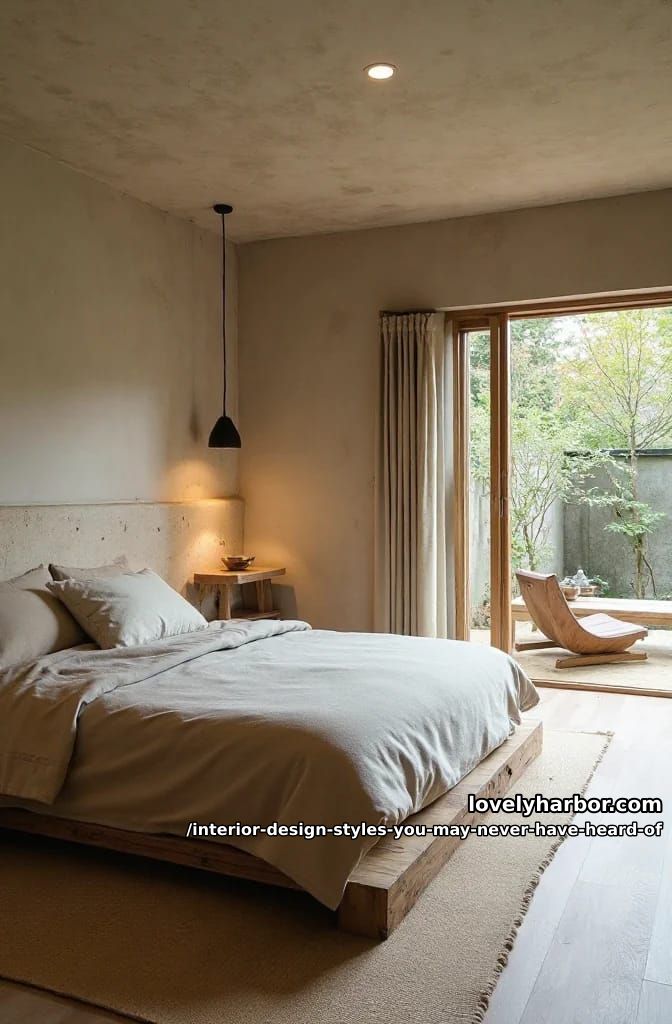
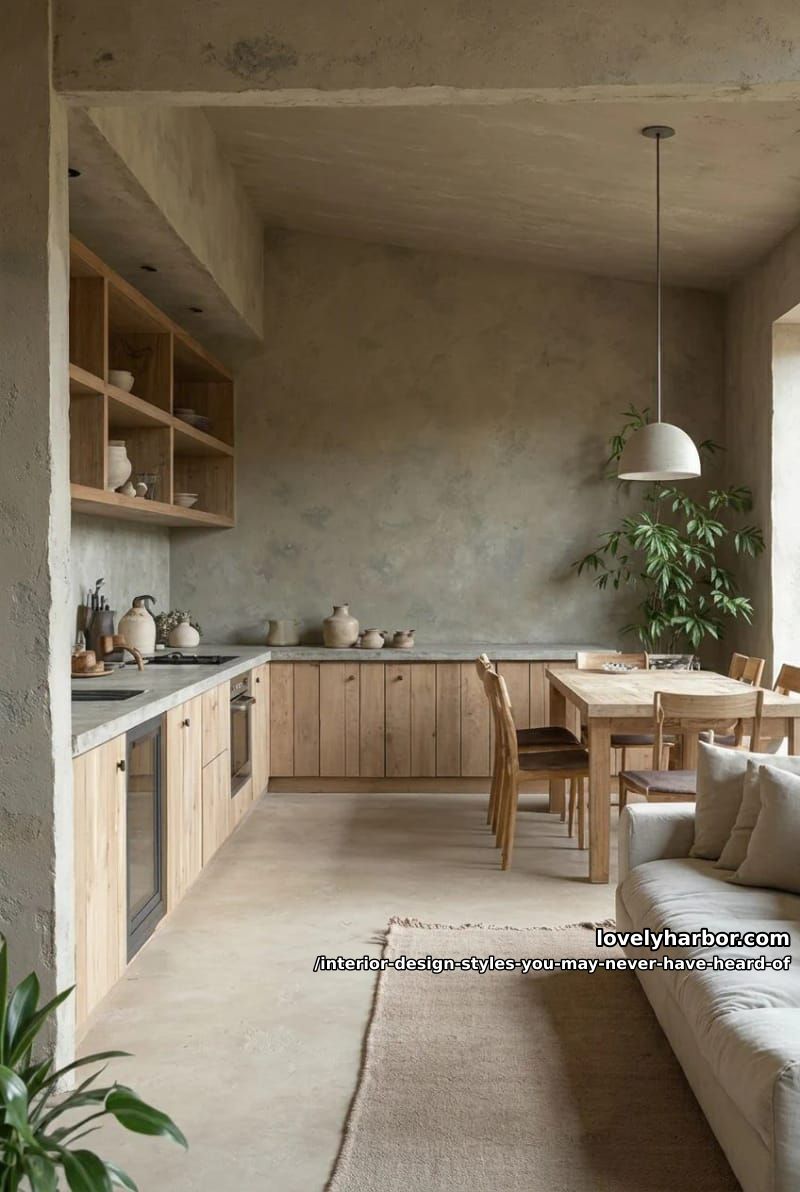
Wabi-Sabi finds beauty in imperfection and impermanence. That sentence gets repeated constantly, but its practical application is more interesting.
Instead of chasing flawless surfaces, Wabi-Sabi values materials that reveal their age. Handmade ceramics, weathered wood, rough plaster, and natural stone become more attractive over time. A chipped handmade bowl may carry more visual interest than a factory-perfect replacement.
Limewashed plaster develops variation naturally.
Solid wood gains character through wear.
Handmade ceramics highlight individual craftsmanship.
8. Usonian
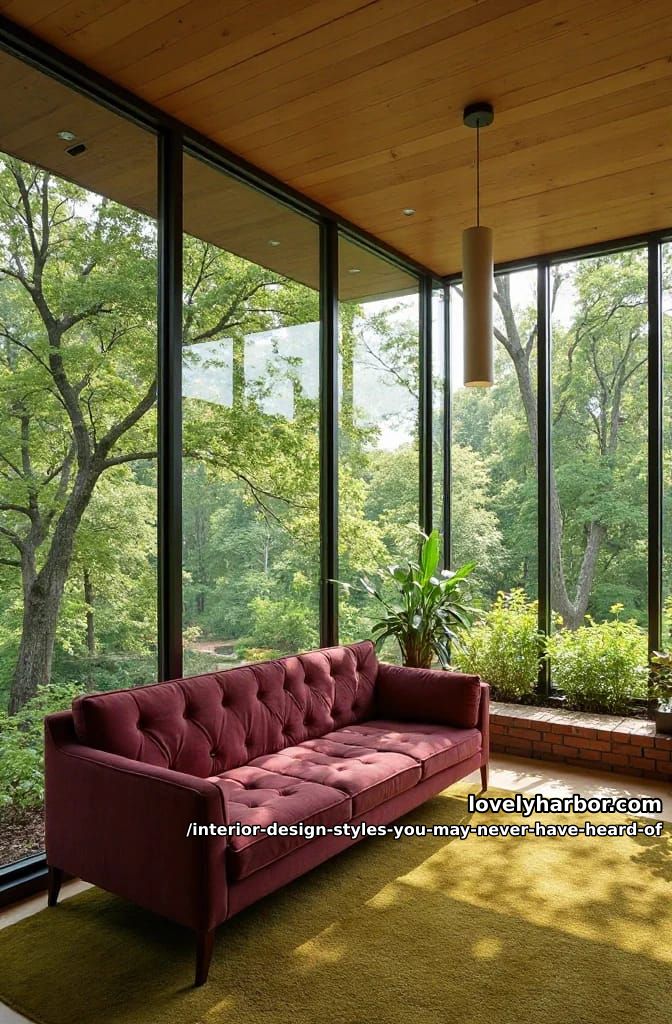
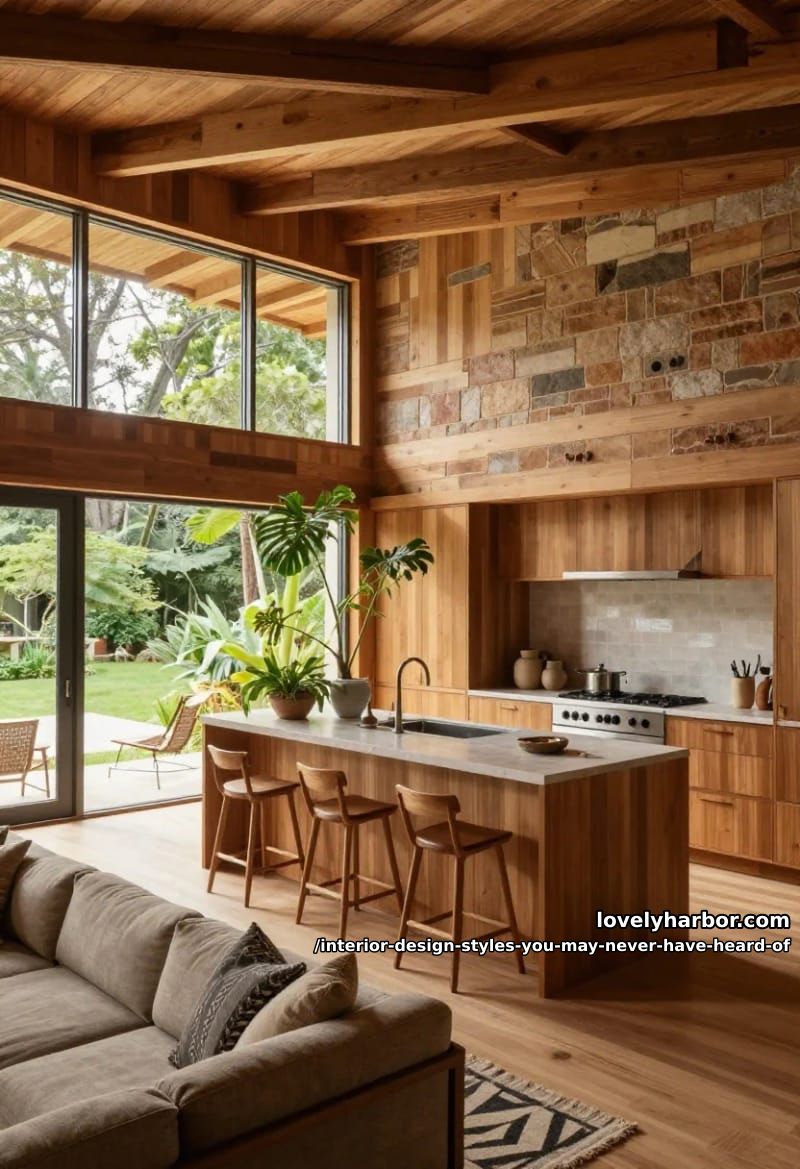
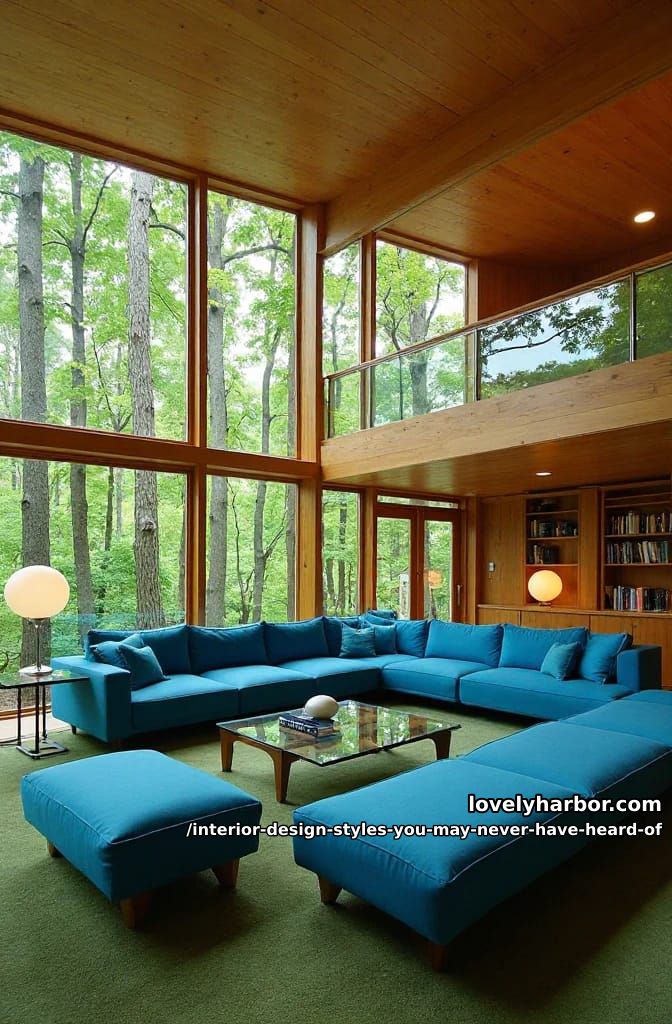
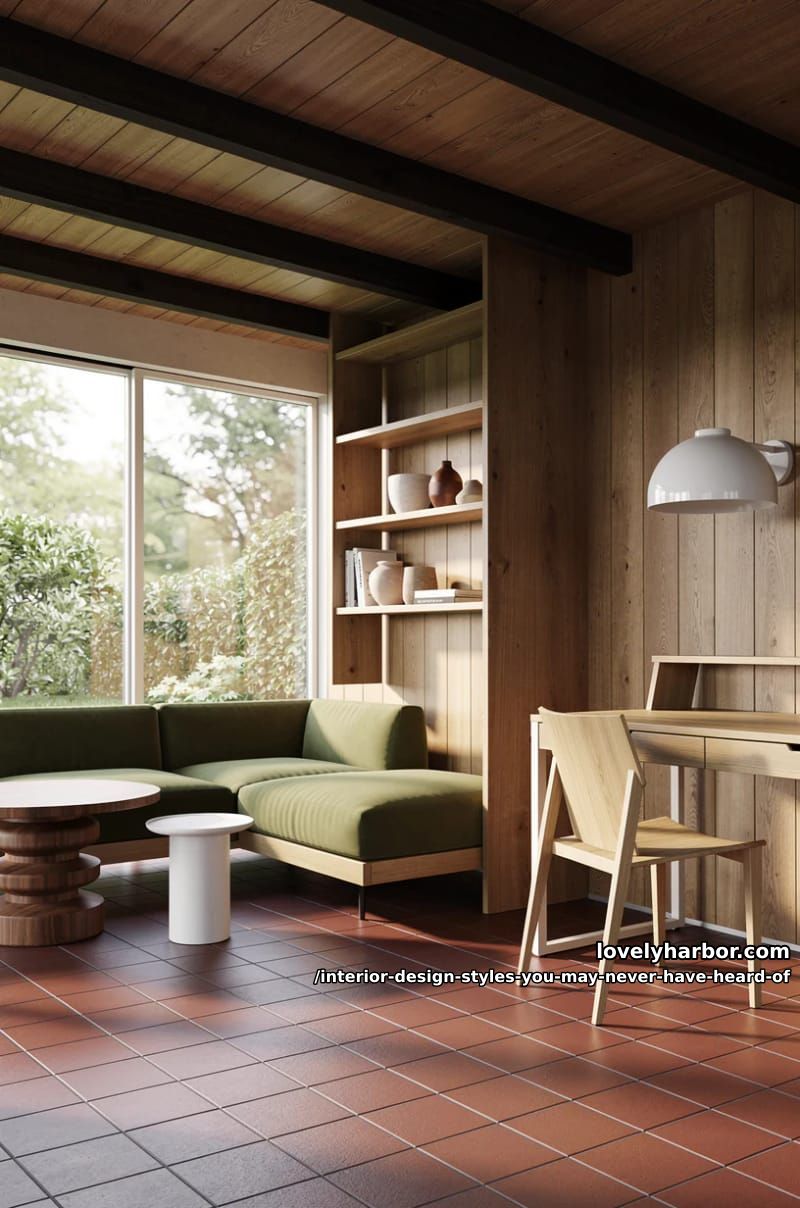
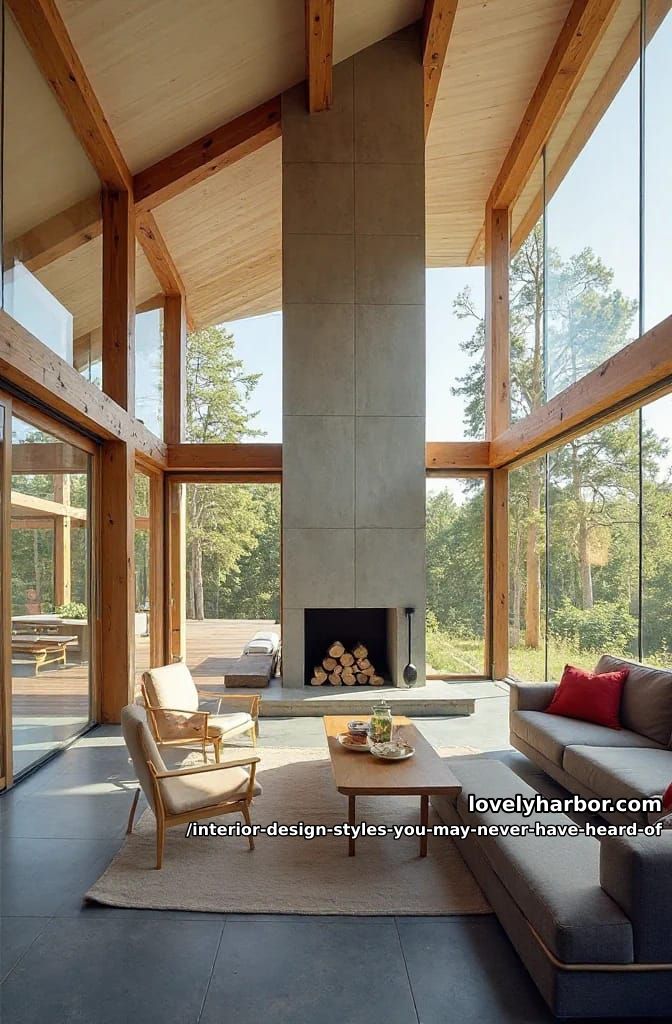
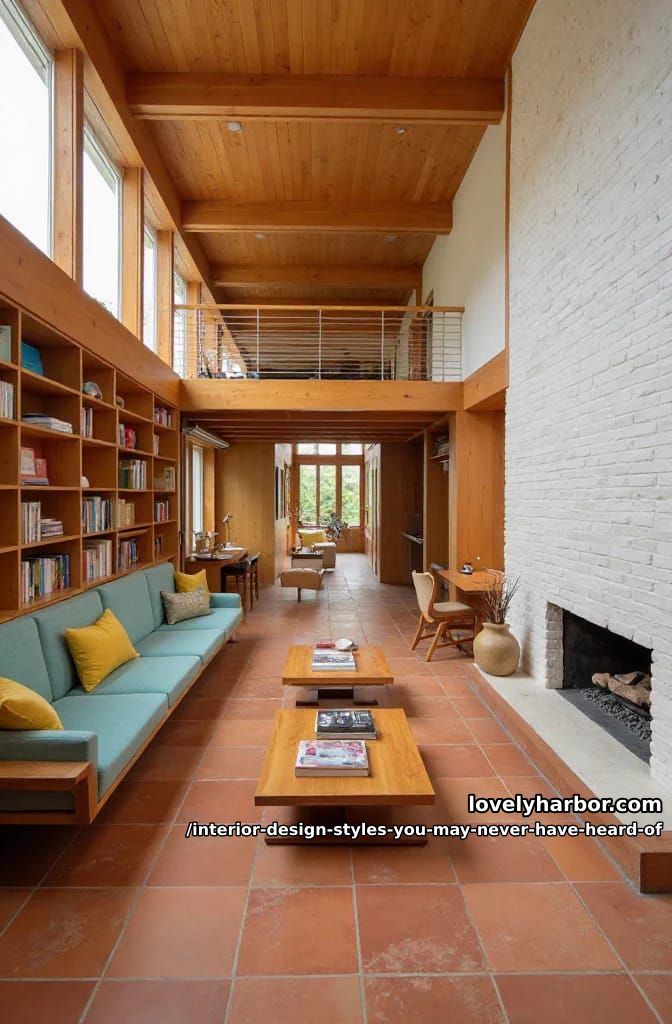
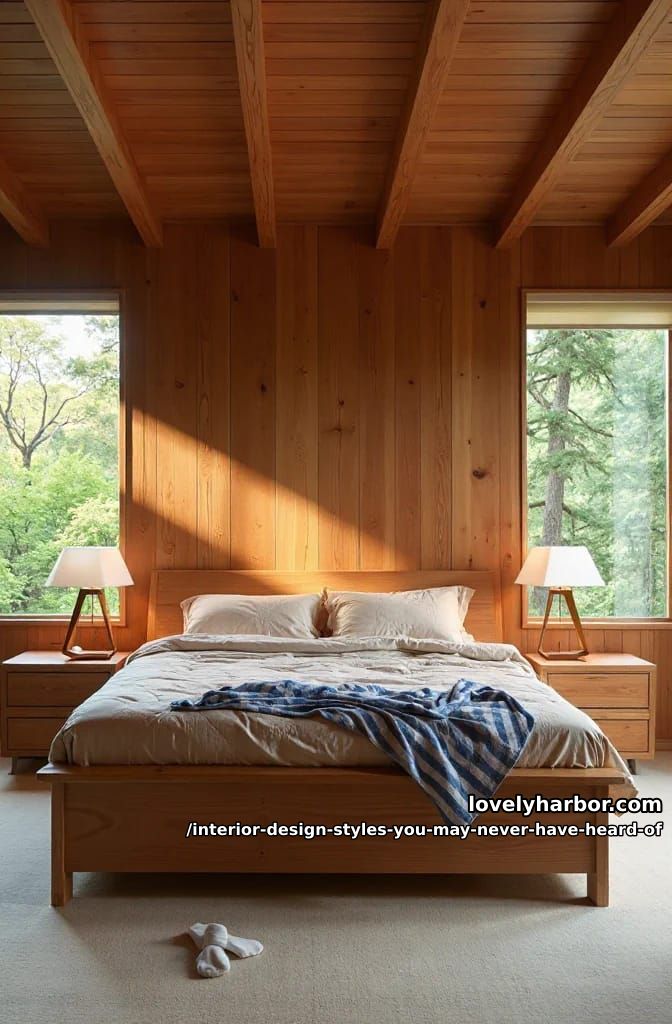
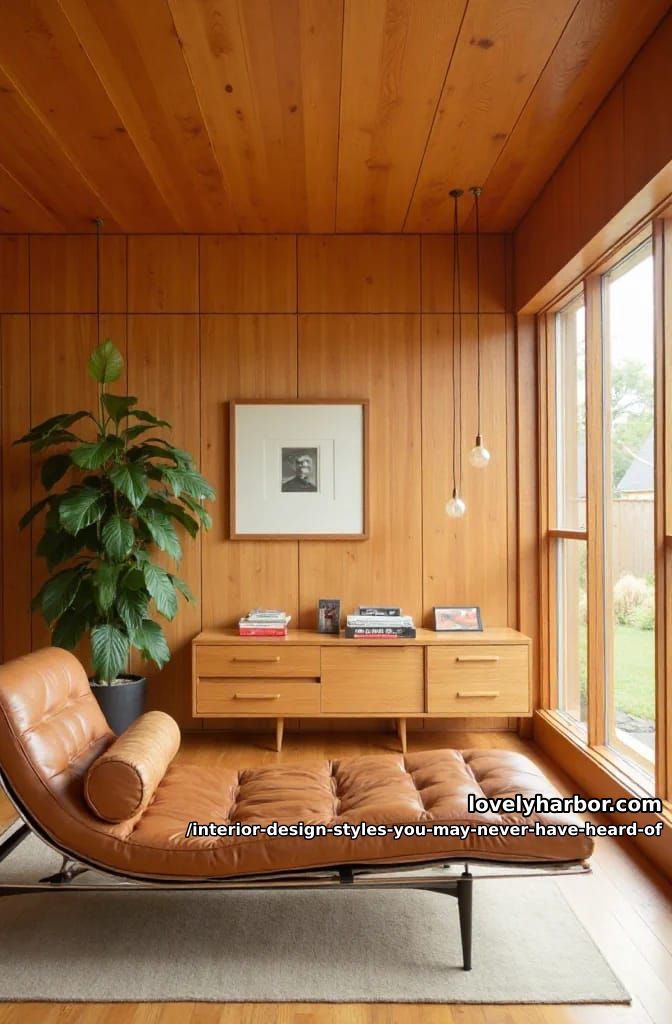
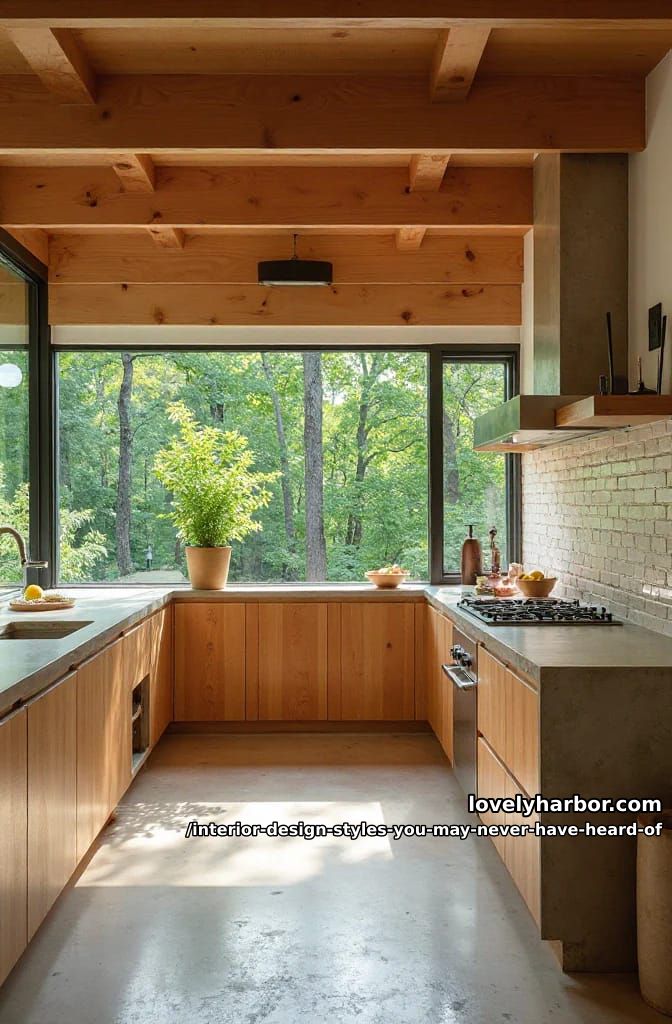
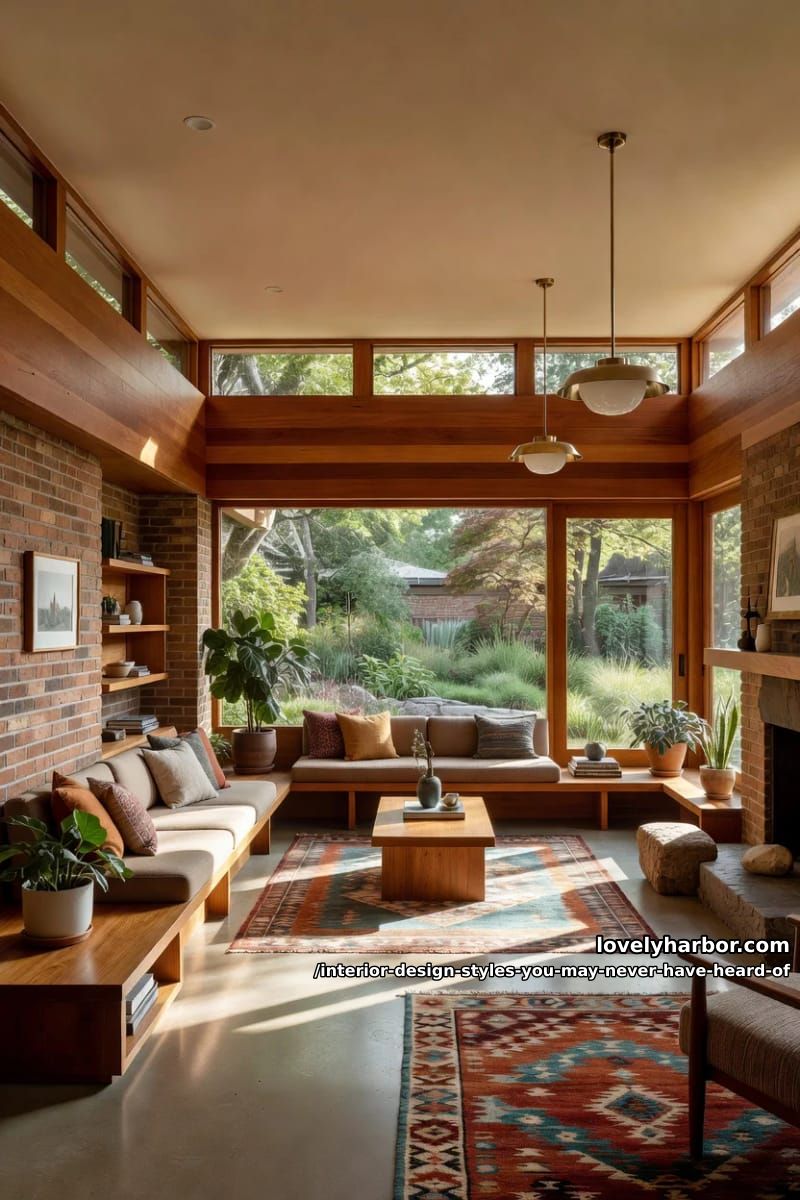
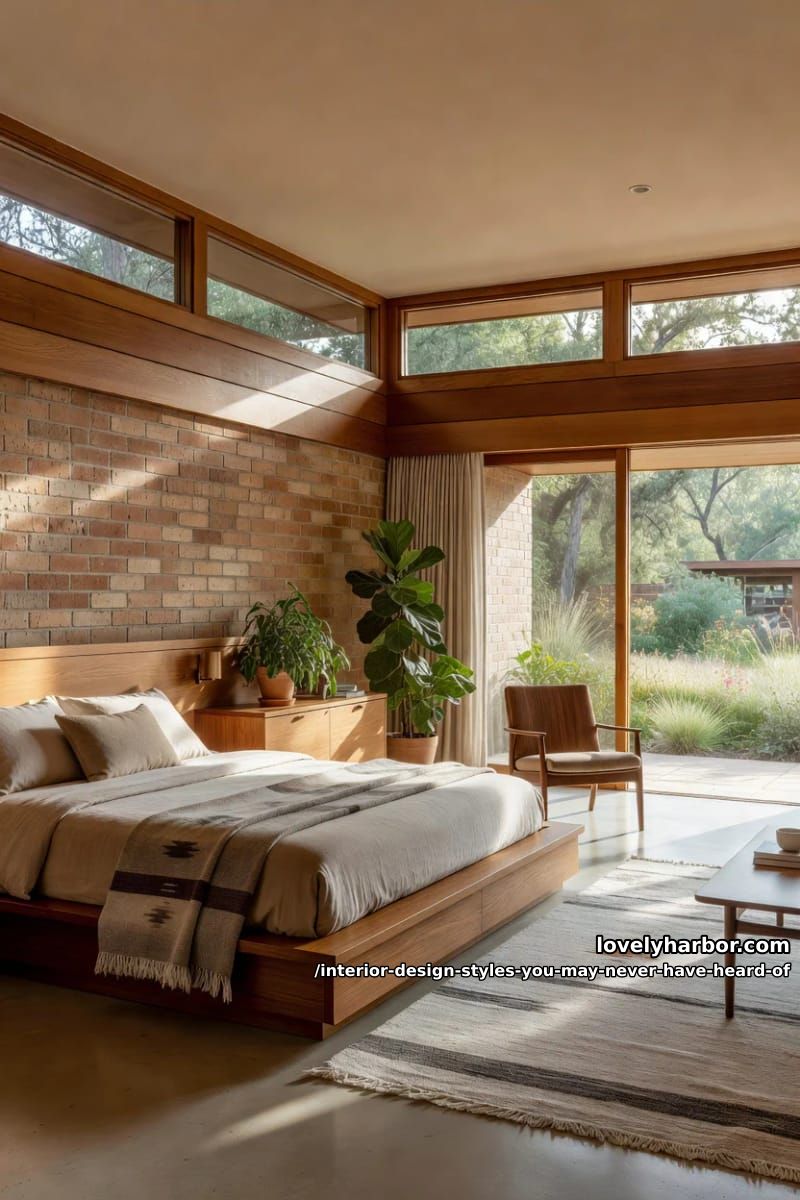
Frank Lloyd Wright developed Usonian design as a vision for affordable American housing. The concept emphasized efficient planning, natural materials, and strong connections between indoor and outdoor spaces.
Many features now considered standard in modern homes appeared here first: open plans, integrated storage, extensive daylight, and built-in furnishings. The style feels remarkably current despite originating nearly a century ago.
9. Desert Modernism
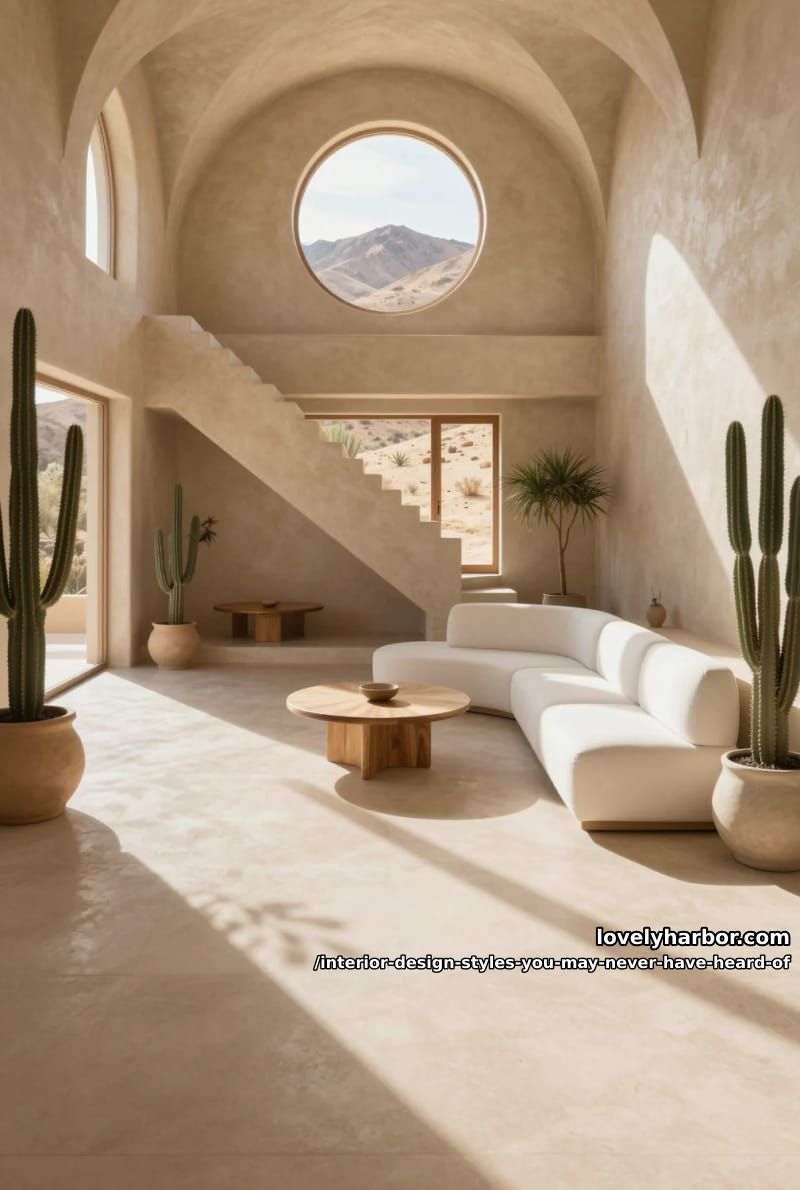
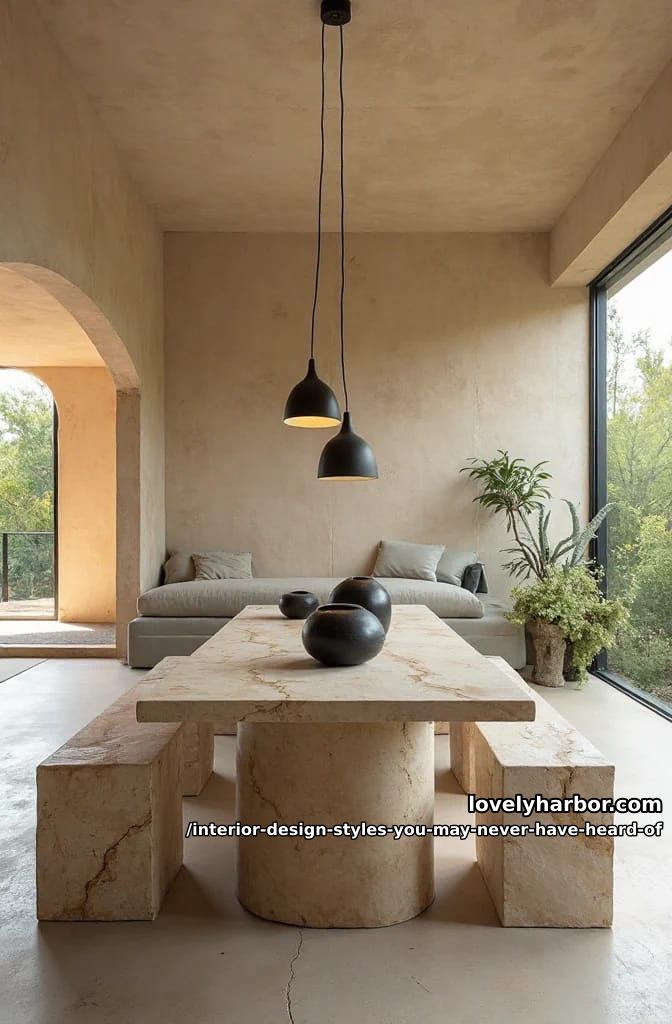
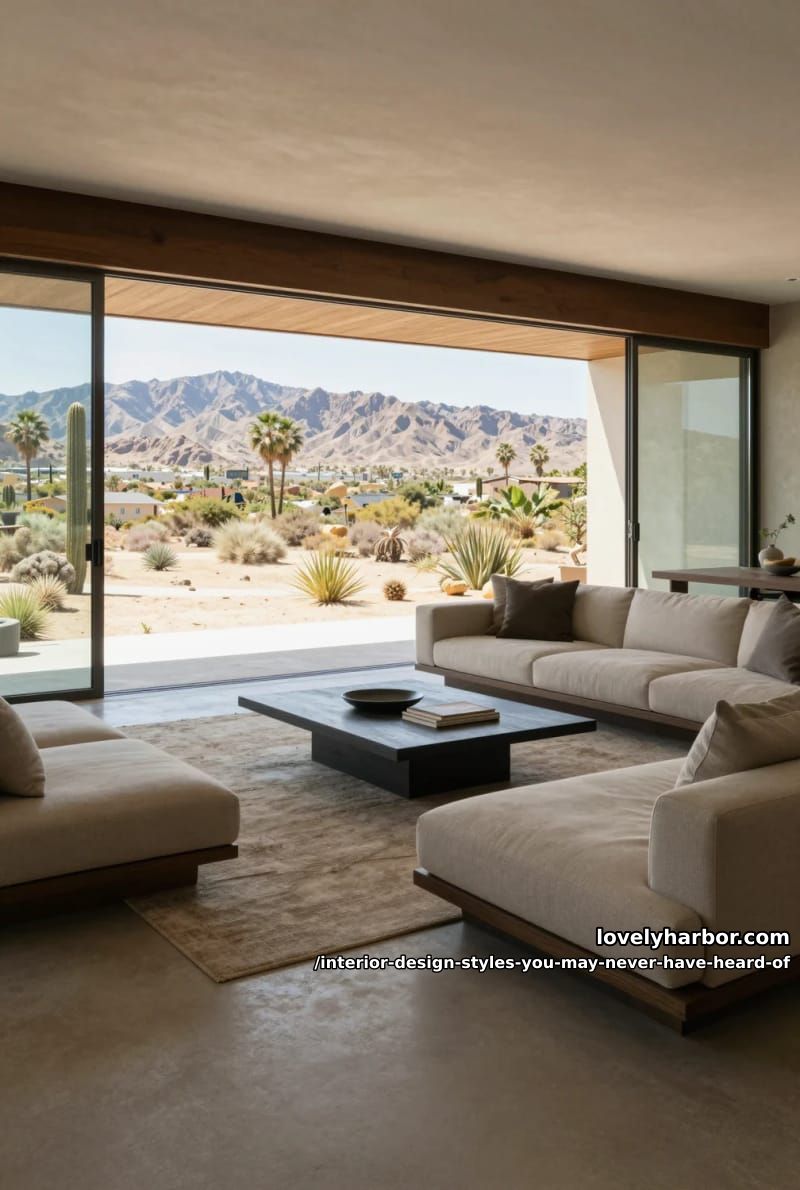
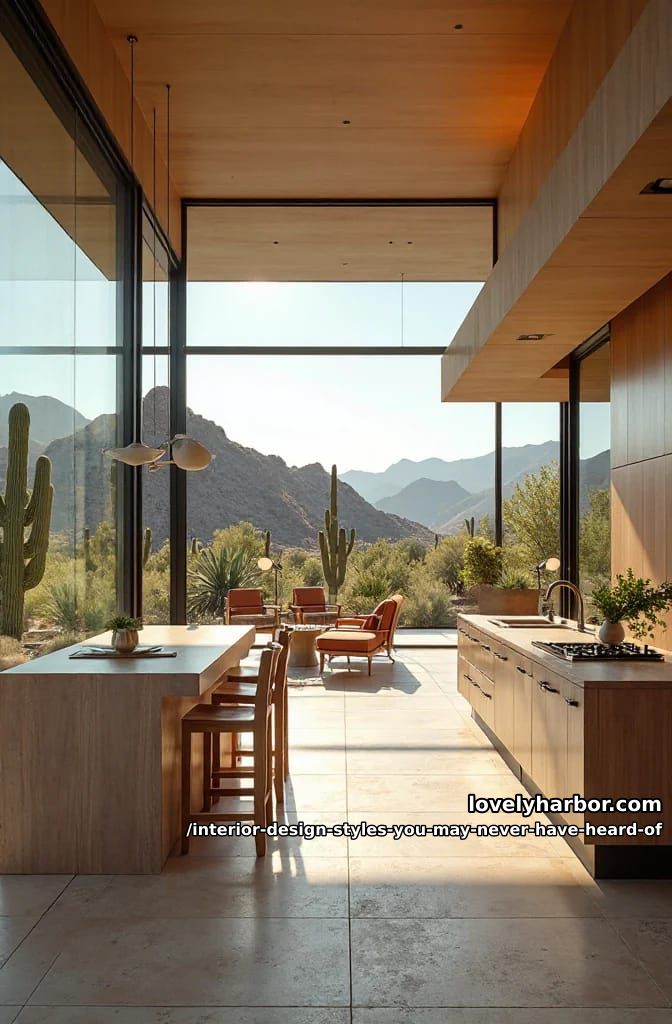
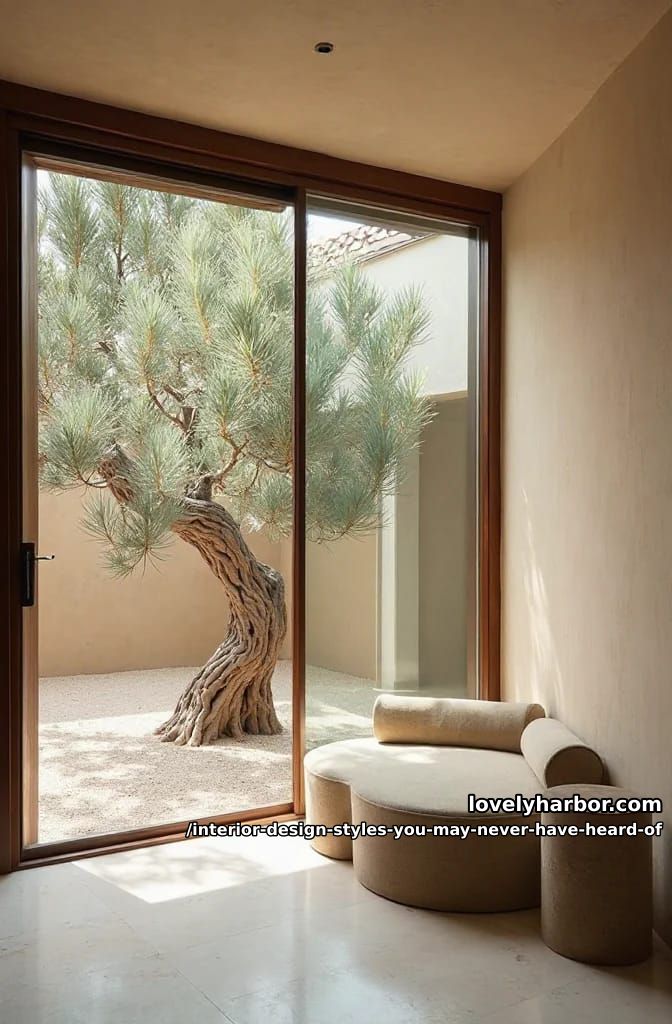
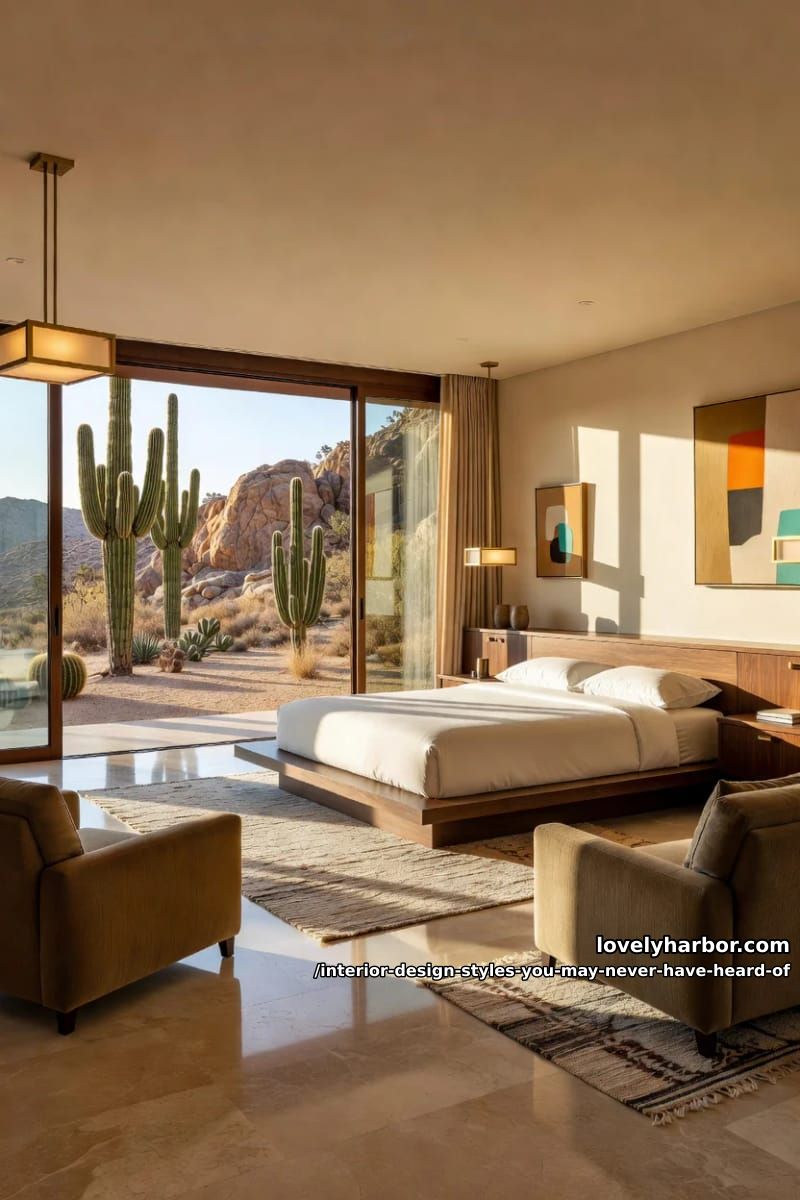
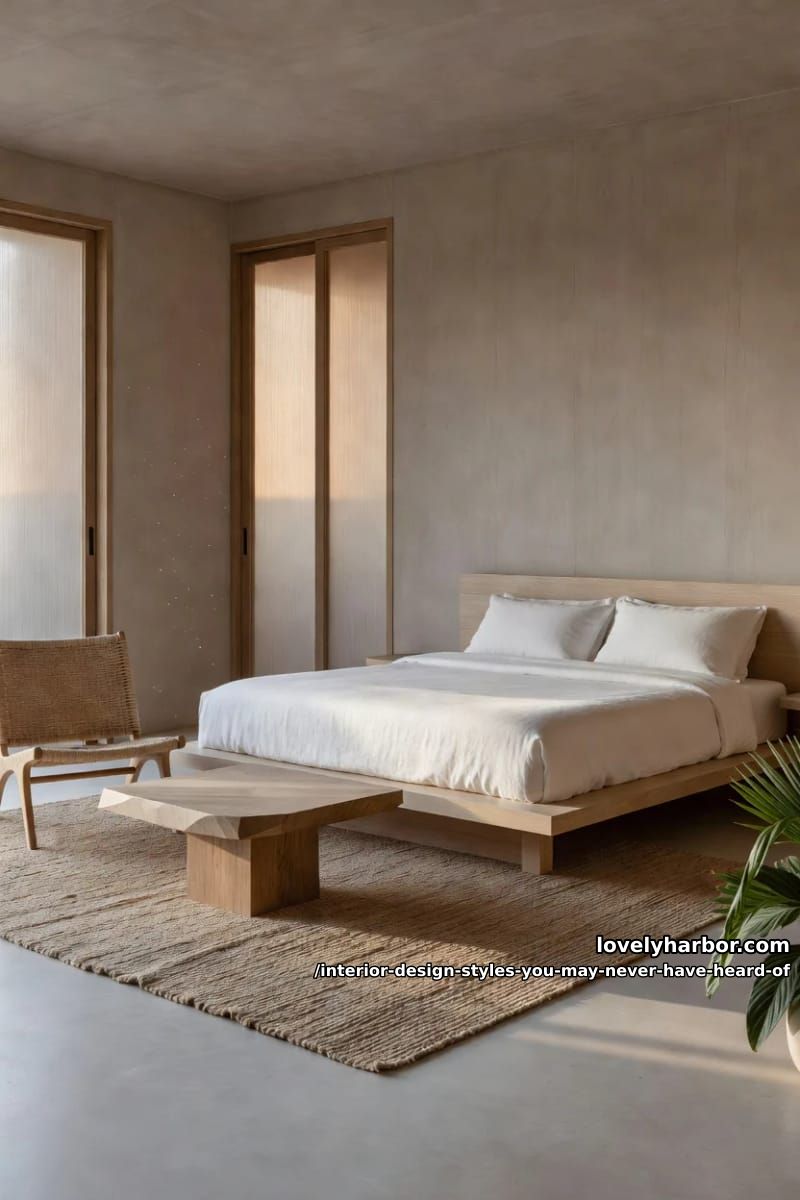
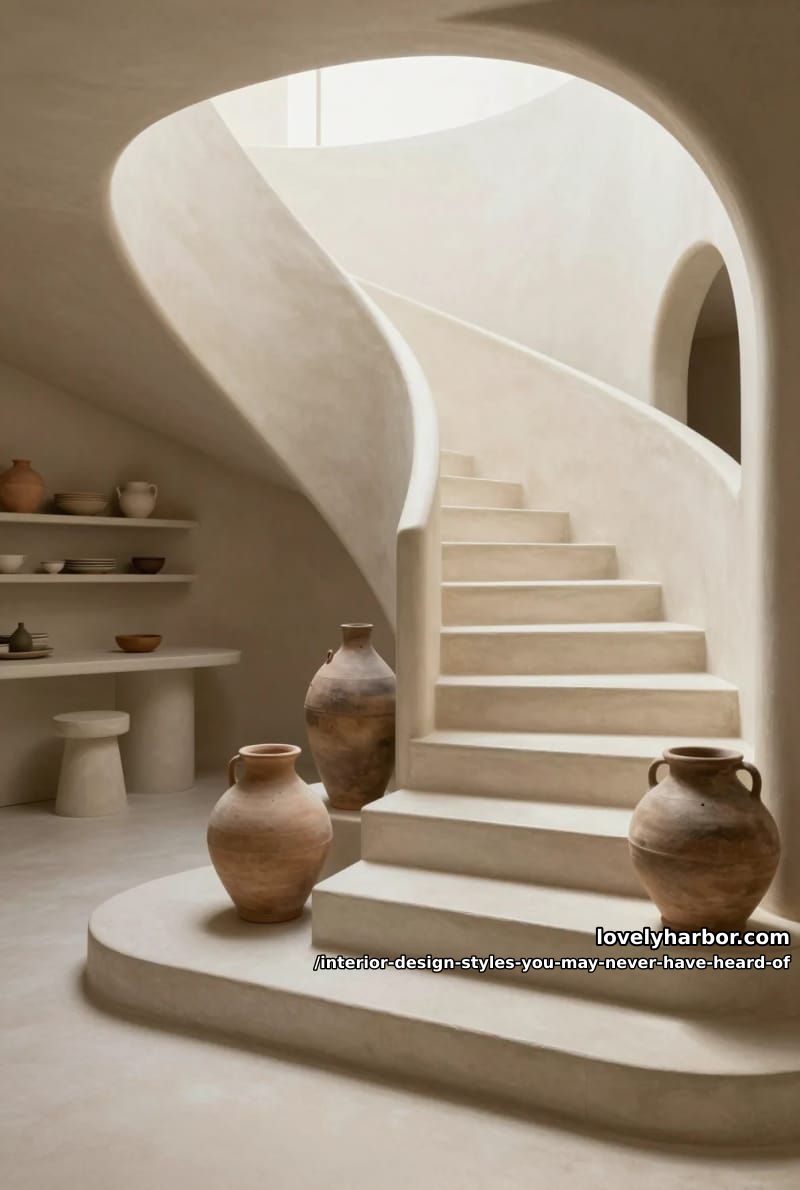
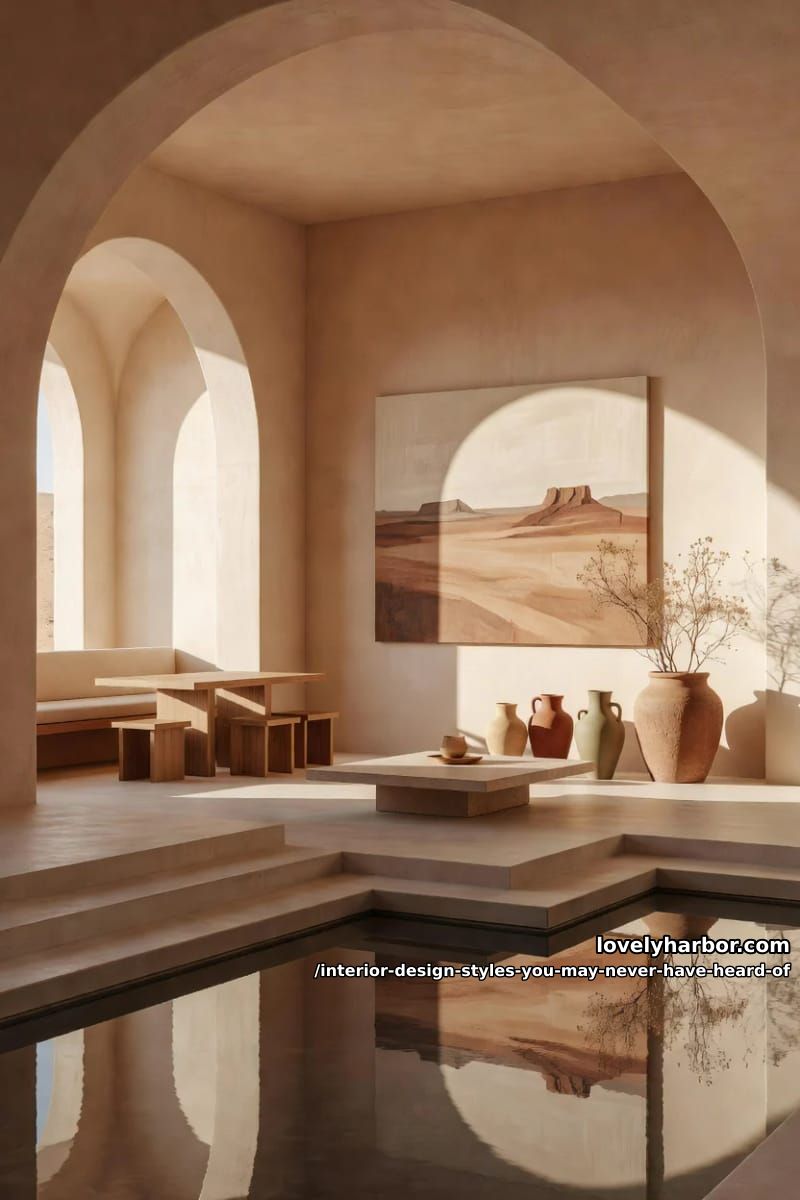
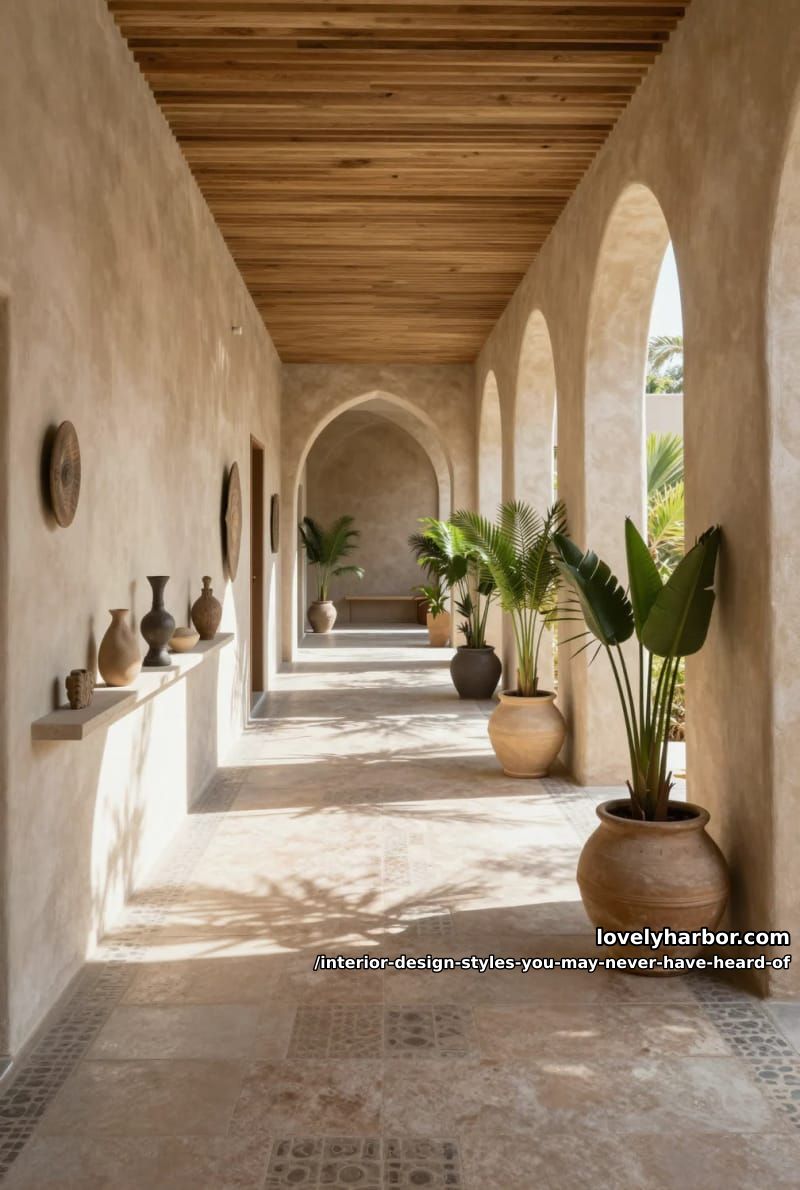
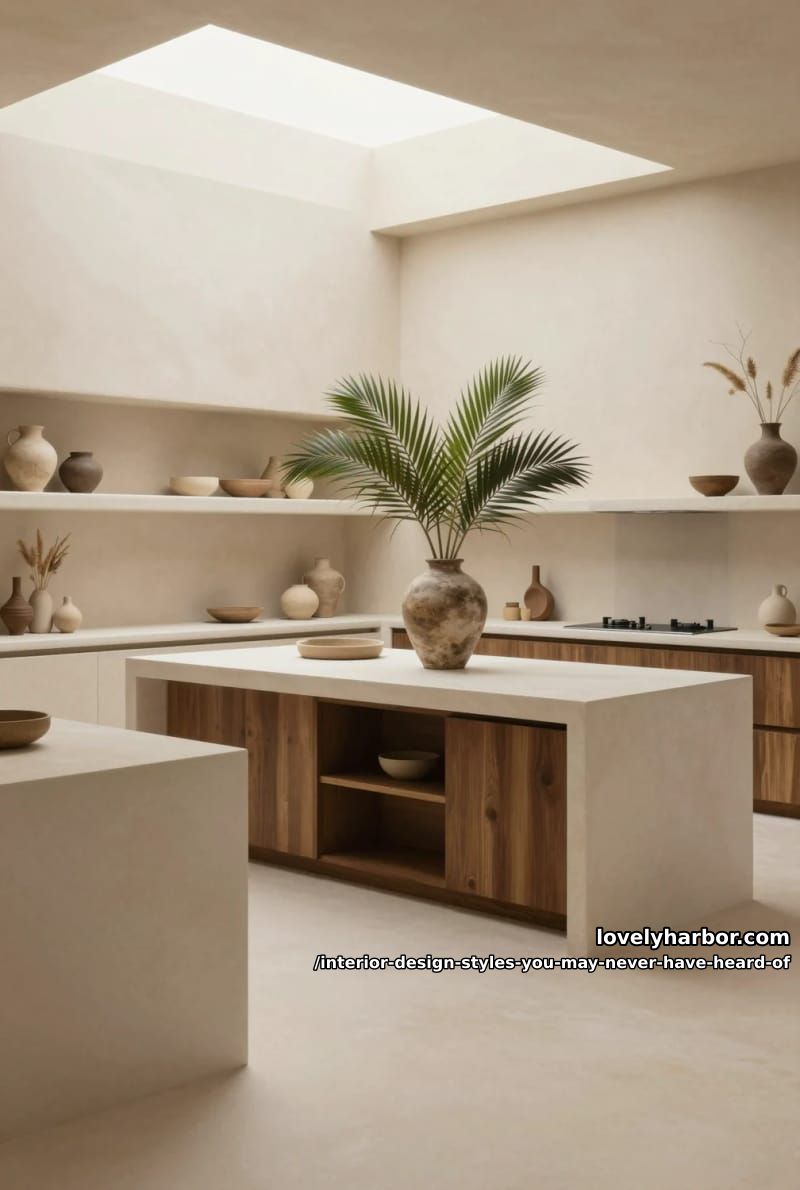
Desert Modernism was born from necessity. Architects working in places like Palm Springs needed buildings that could handle intense sunlight while maintaining connections to dramatic landscapes.
Large expanses of glass, deep roof overhangs, natural stone, and low horizontal forms became defining characteristics. The style remains influential because it solves practical problems while looking unmistakably architectural.
10. Grandmillennial
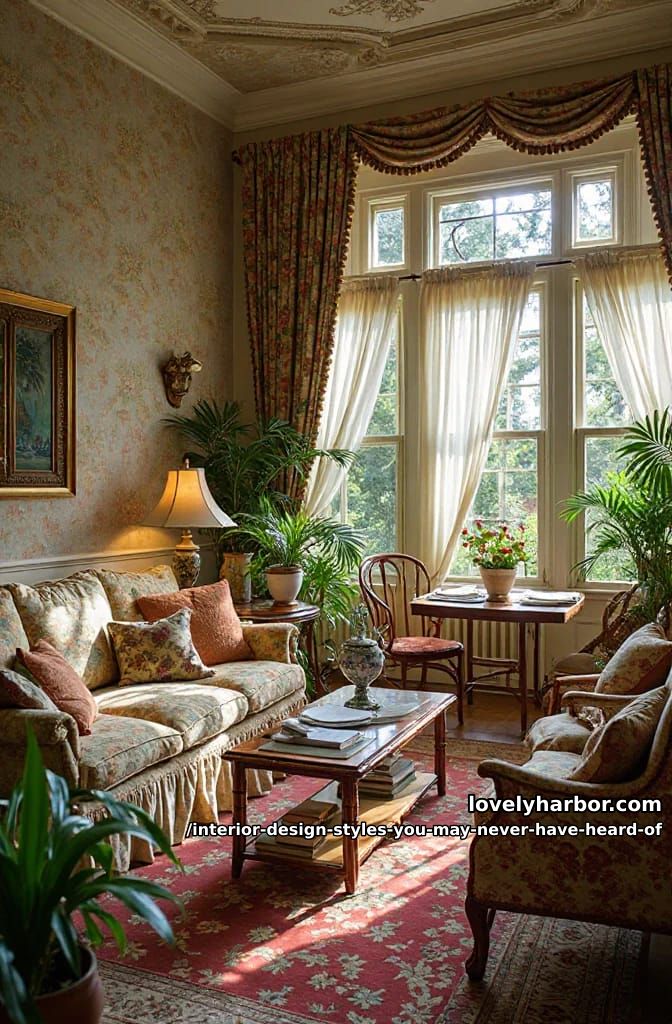
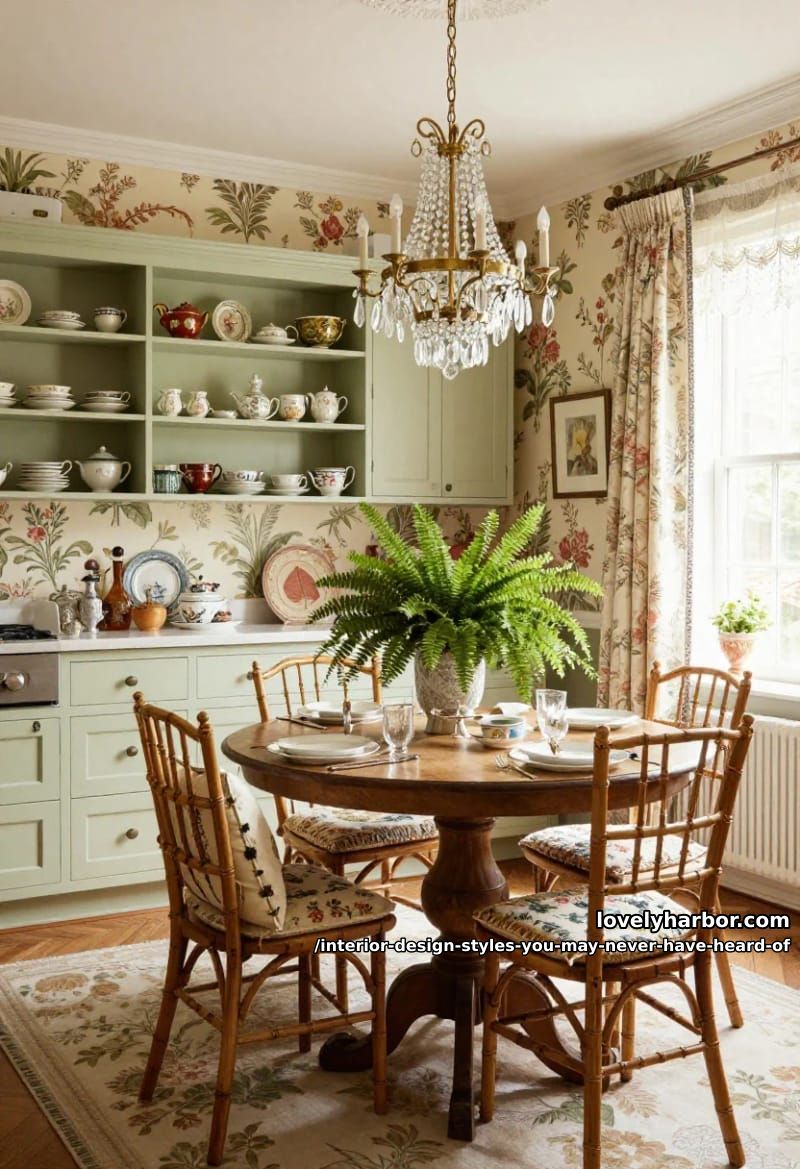
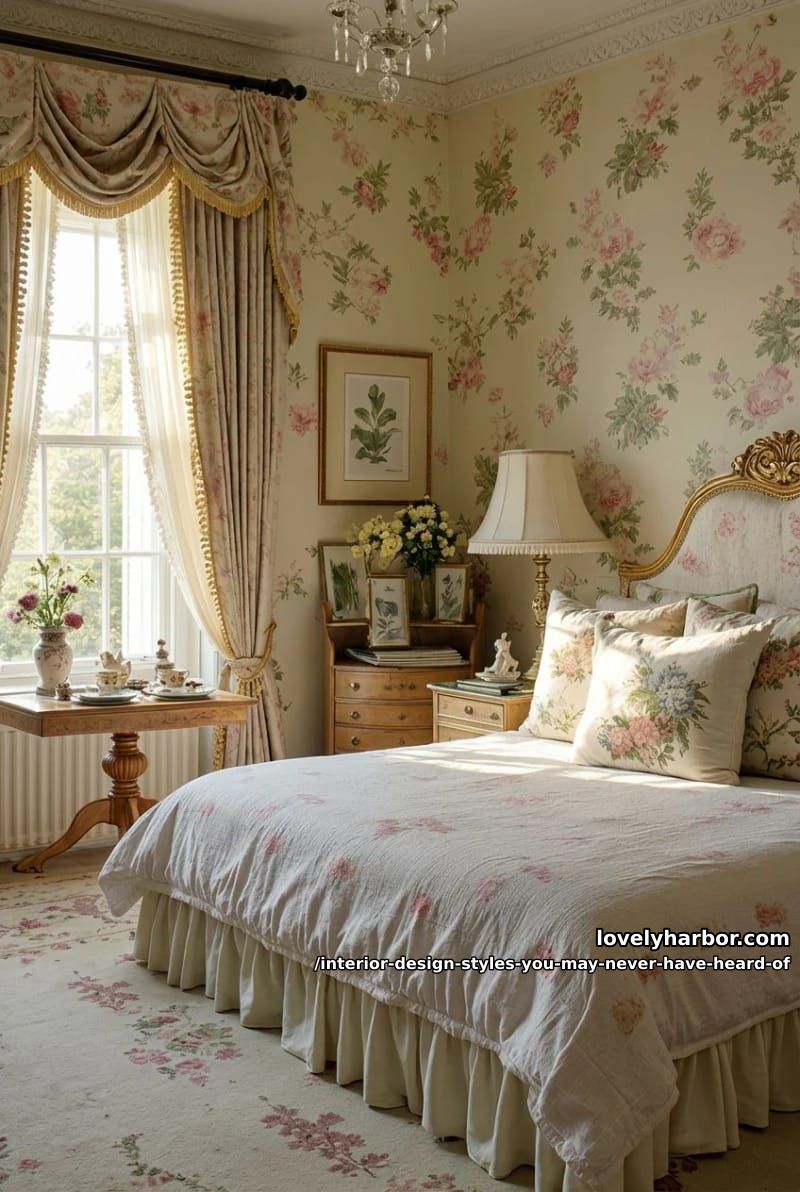
Grandmillennial design emerged as a reaction against years of stark modern interiors. Younger homeowners began rediscovering floral wallpaper, antiques, needlepoint, and traditional upholstery that previous generations had abandoned.
The strongest examples feel collected rather than themed. Floral patterns mix with contemporary lighting. Antiques share space with modern artwork. The result feels lived-in rather than staged.
Do this
- Mix inherited furniture with contemporary pieces
- Use patterns in different scales
Avoid
- Matching every traditional element perfectly
- Buying an entire room from one collection
11. Streamline Moderne
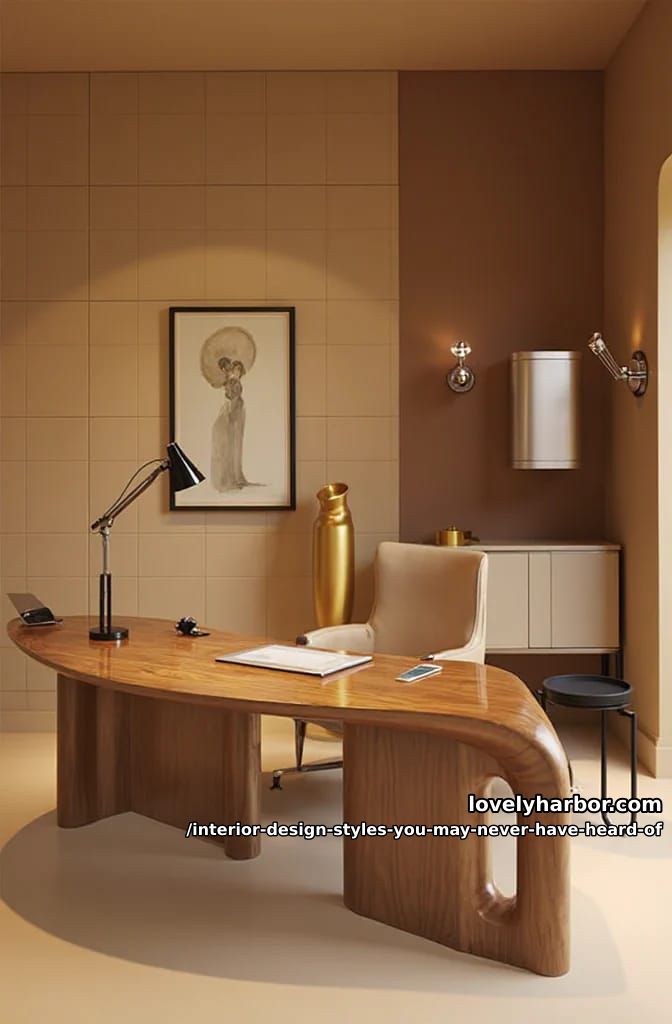
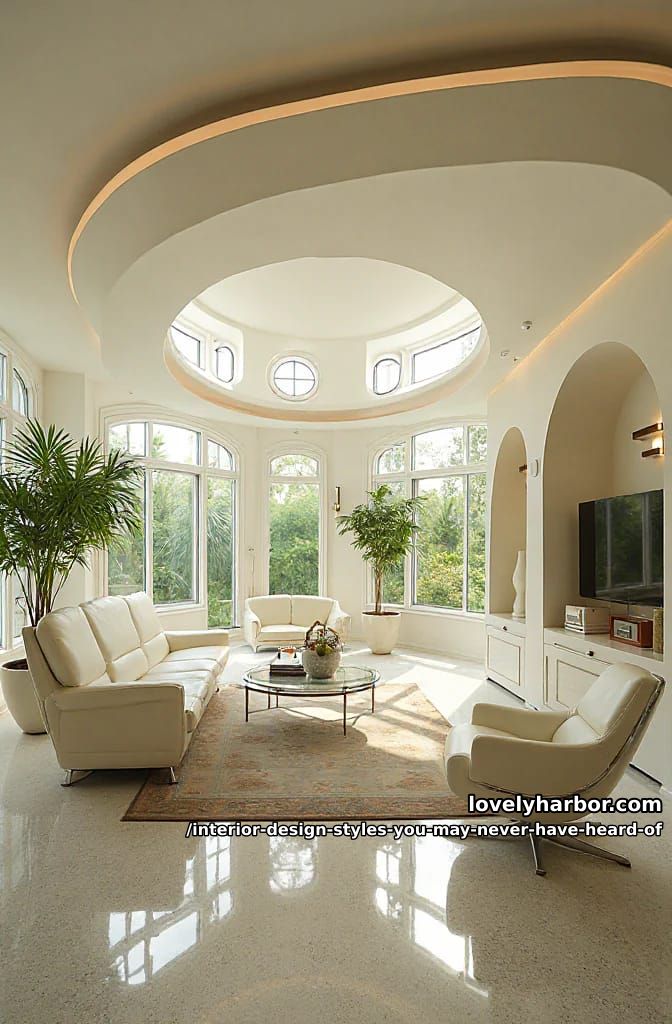
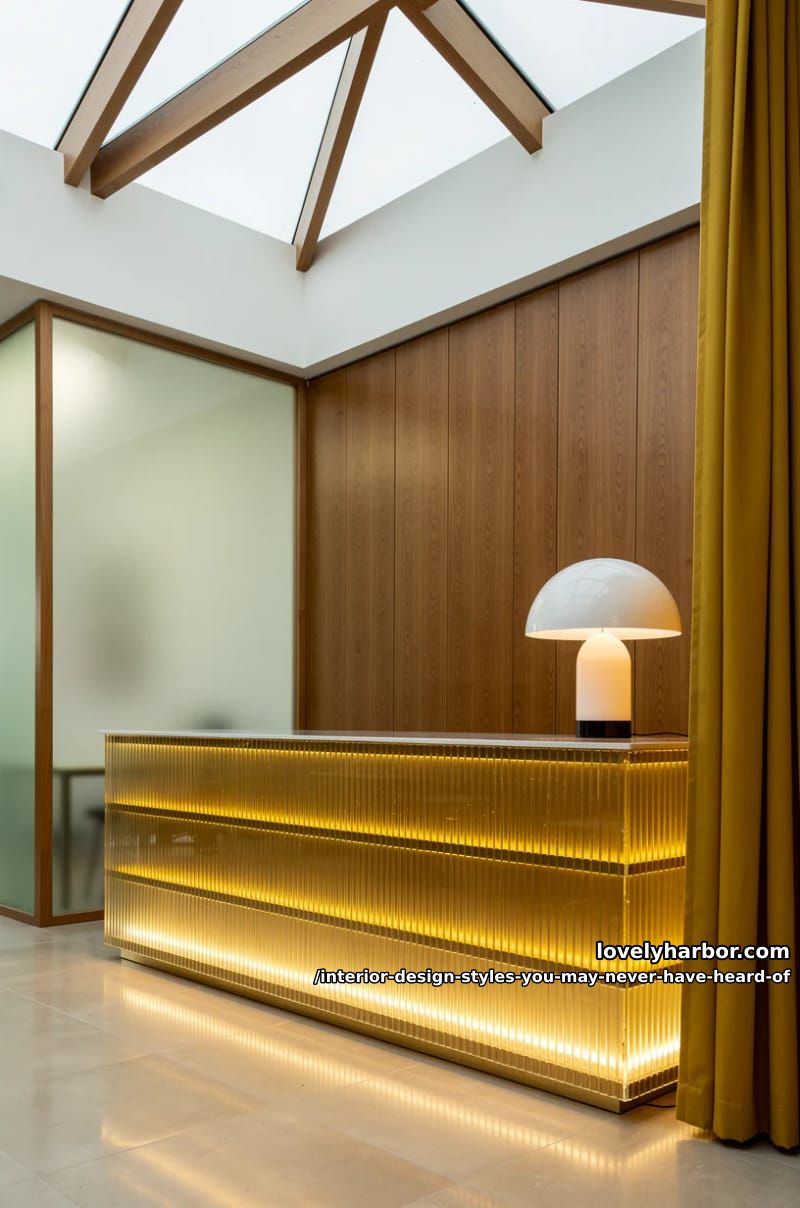
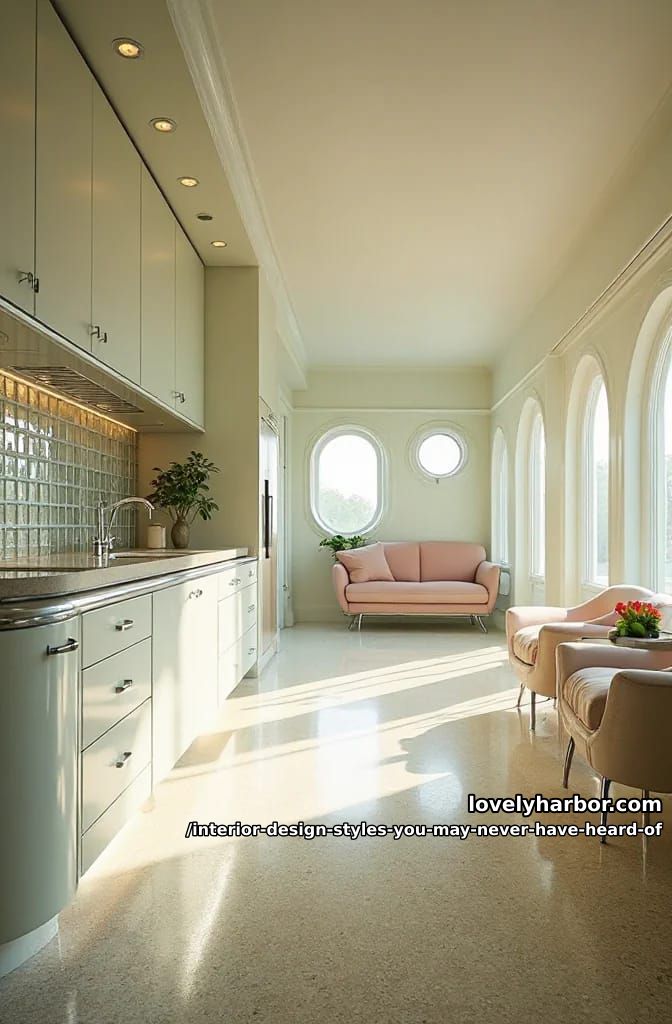
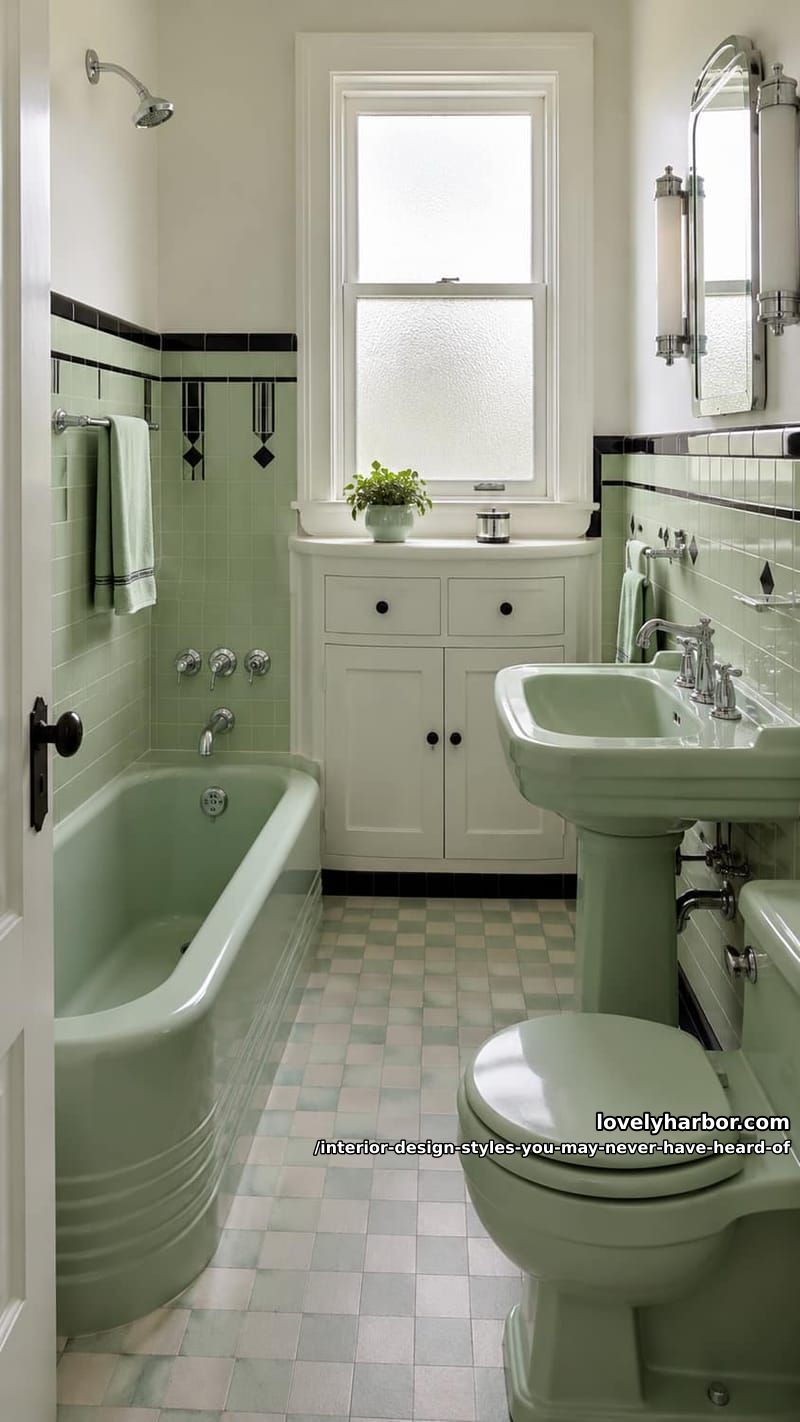
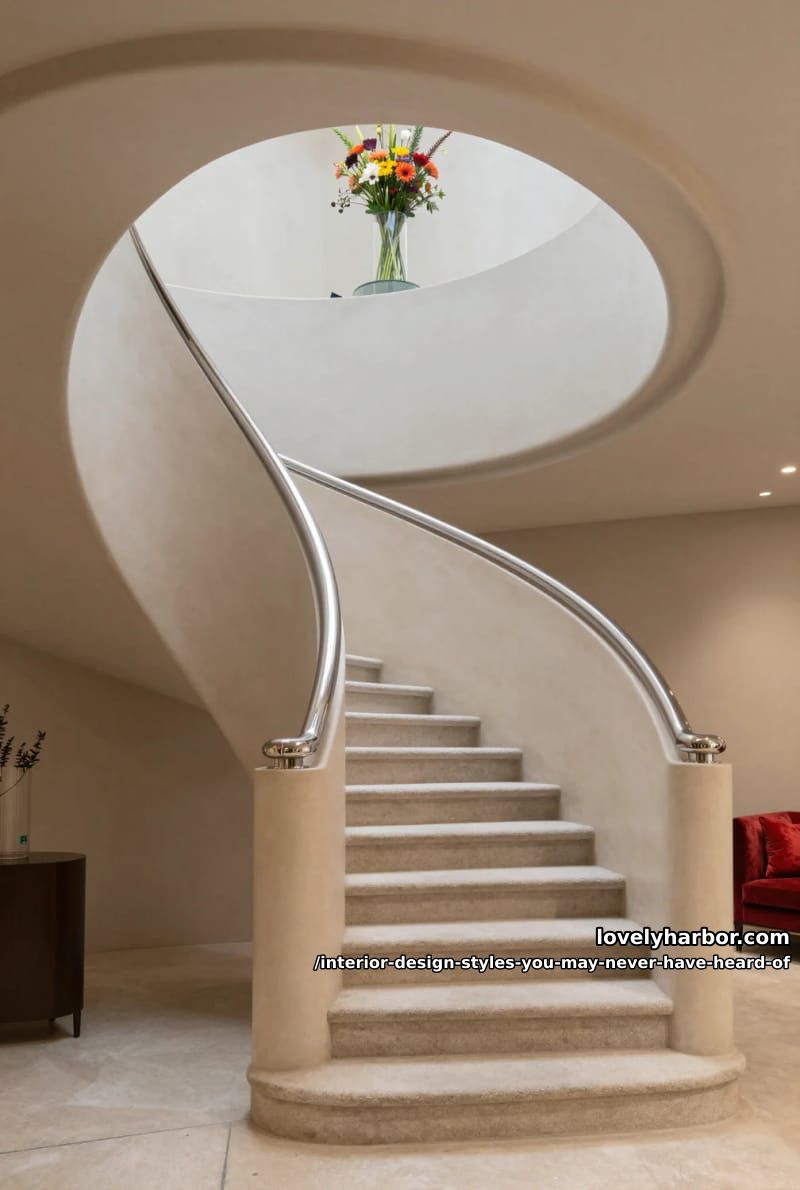
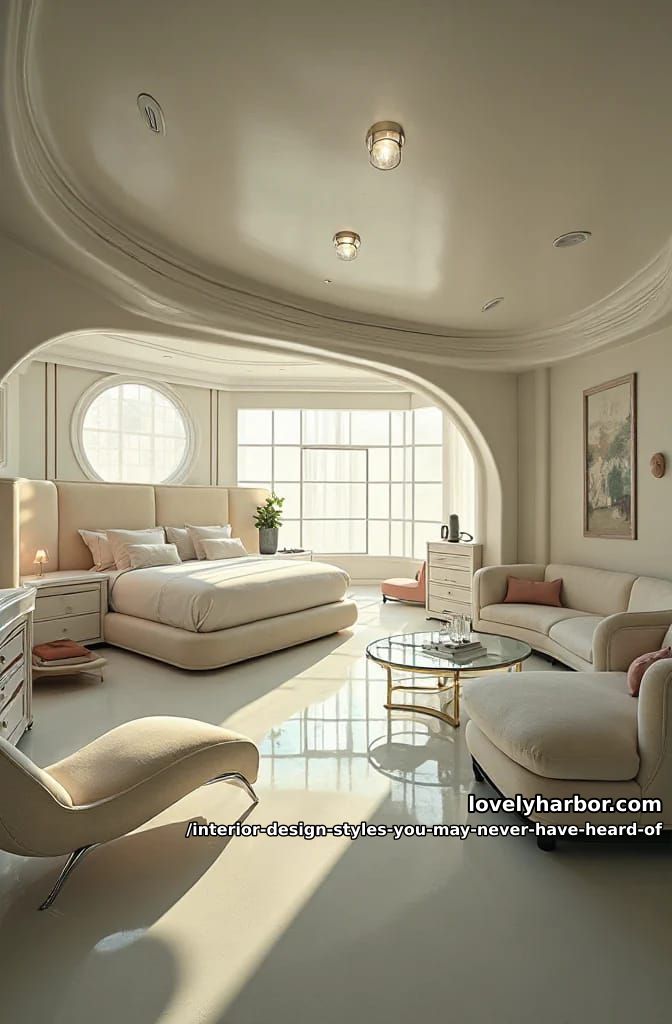
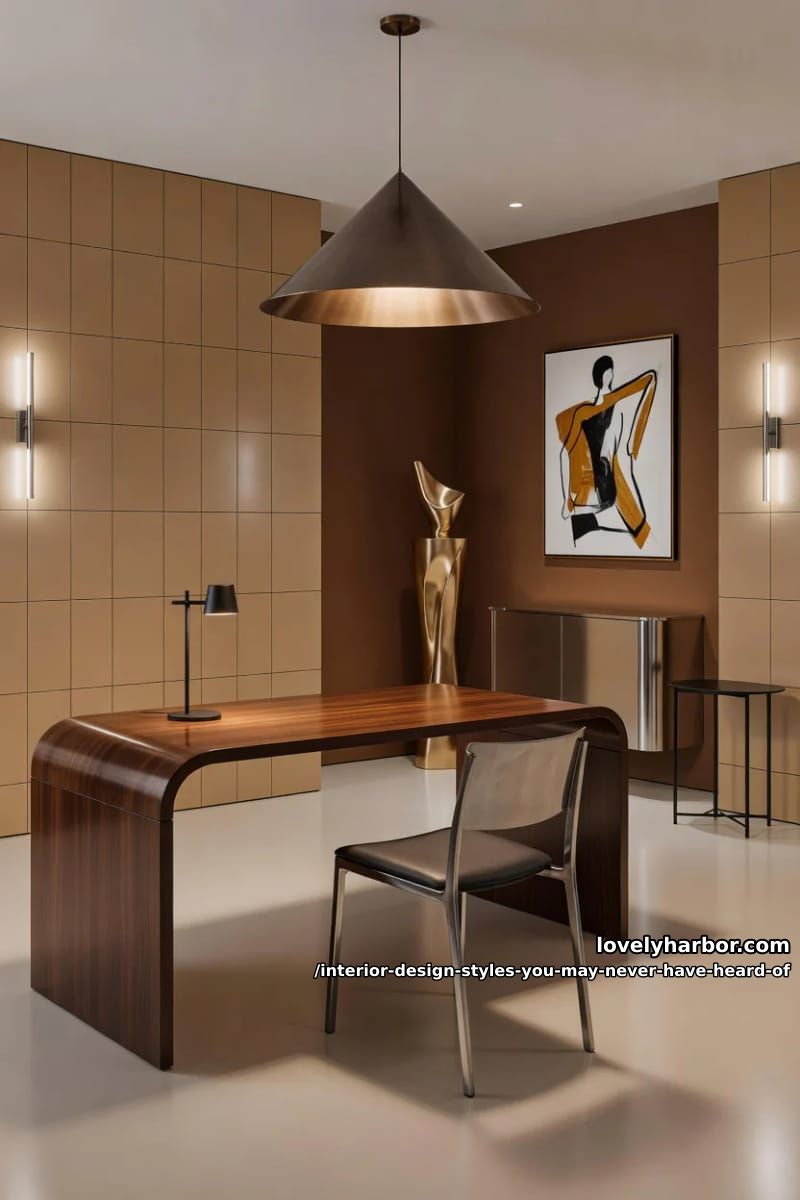
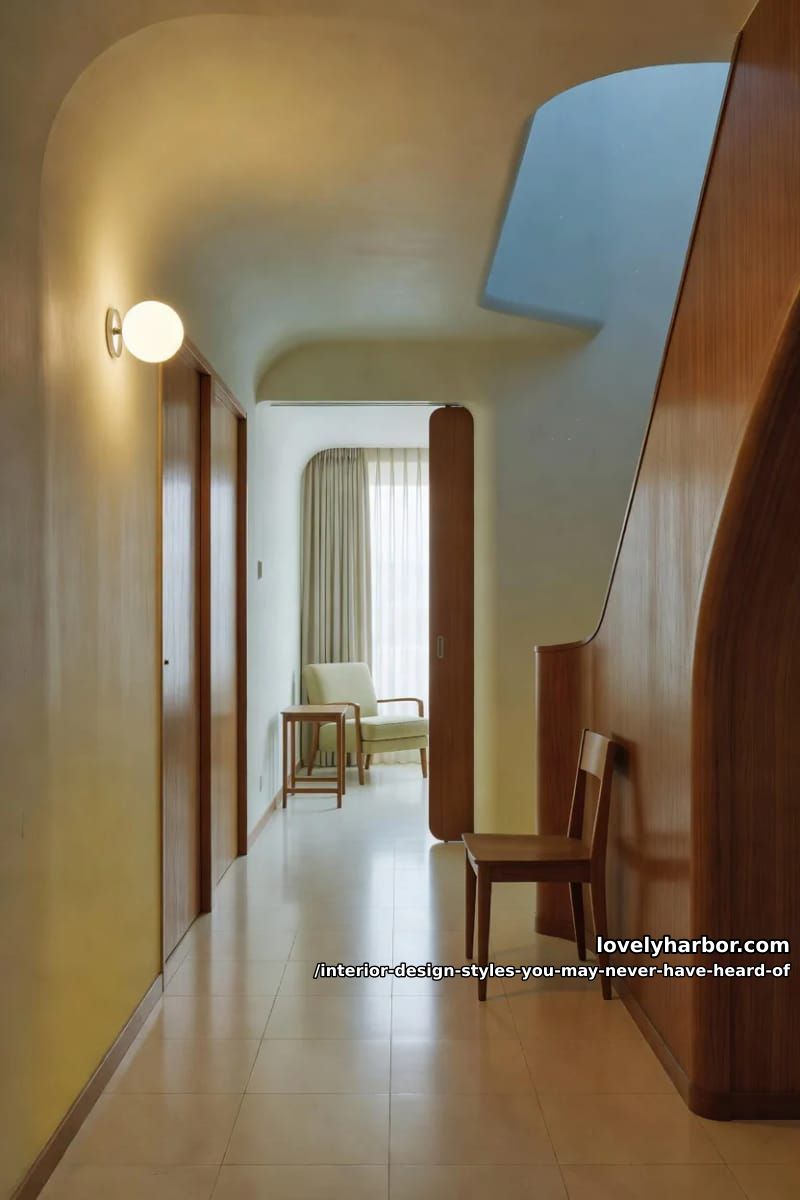
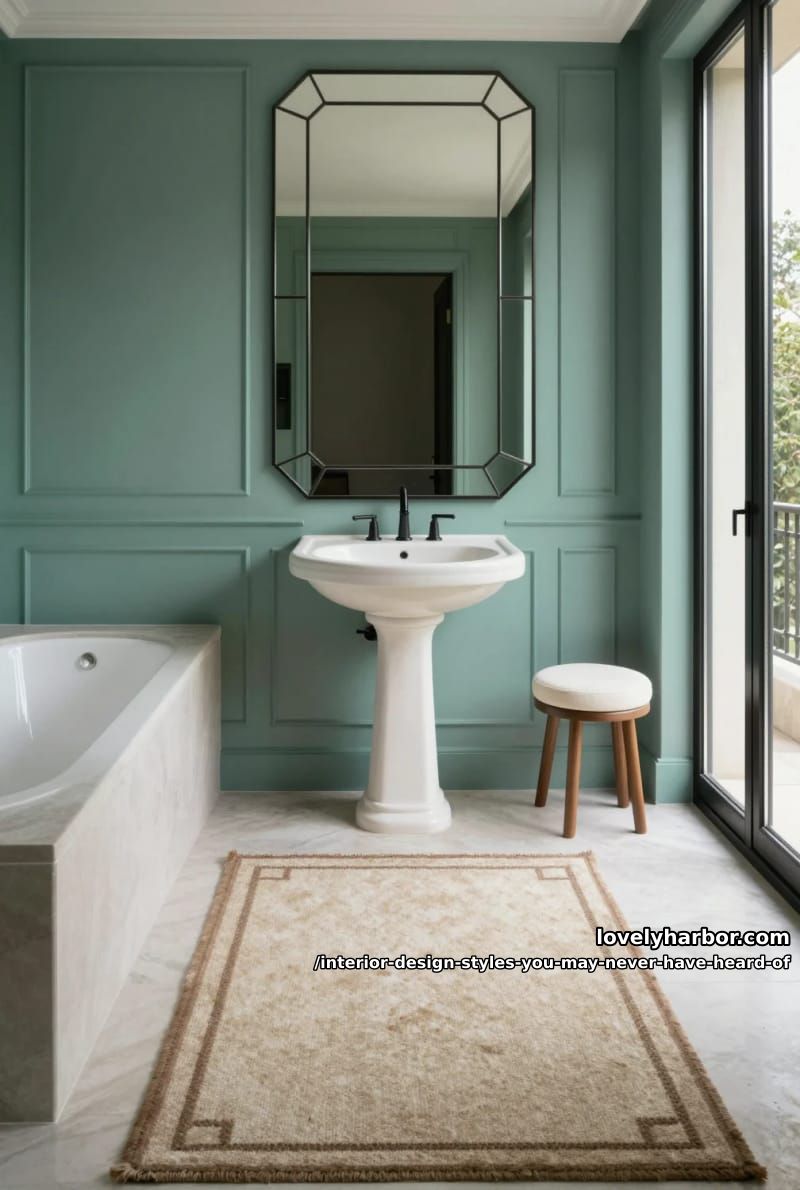
Streamline Moderne arrived as Art Deco began shedding its more decorative tendencies. Inspired by ships, trains, and the Machine Age, the style embraced movement, efficiency, and aerodynamic forms.
Curved corners replaced sharp edges. Horizontal lines stretched across walls and furnishings. Glass blocks, porthole windows, and smooth surfaces reinforced the sense that everything was designed to move, even when standing still. It remains one of the most overlooked influences on contemporary luxury apartments.
Long horizontal lines and rounded corners create a visual sense of movement without relying on decoration.
12. Biophilic Design
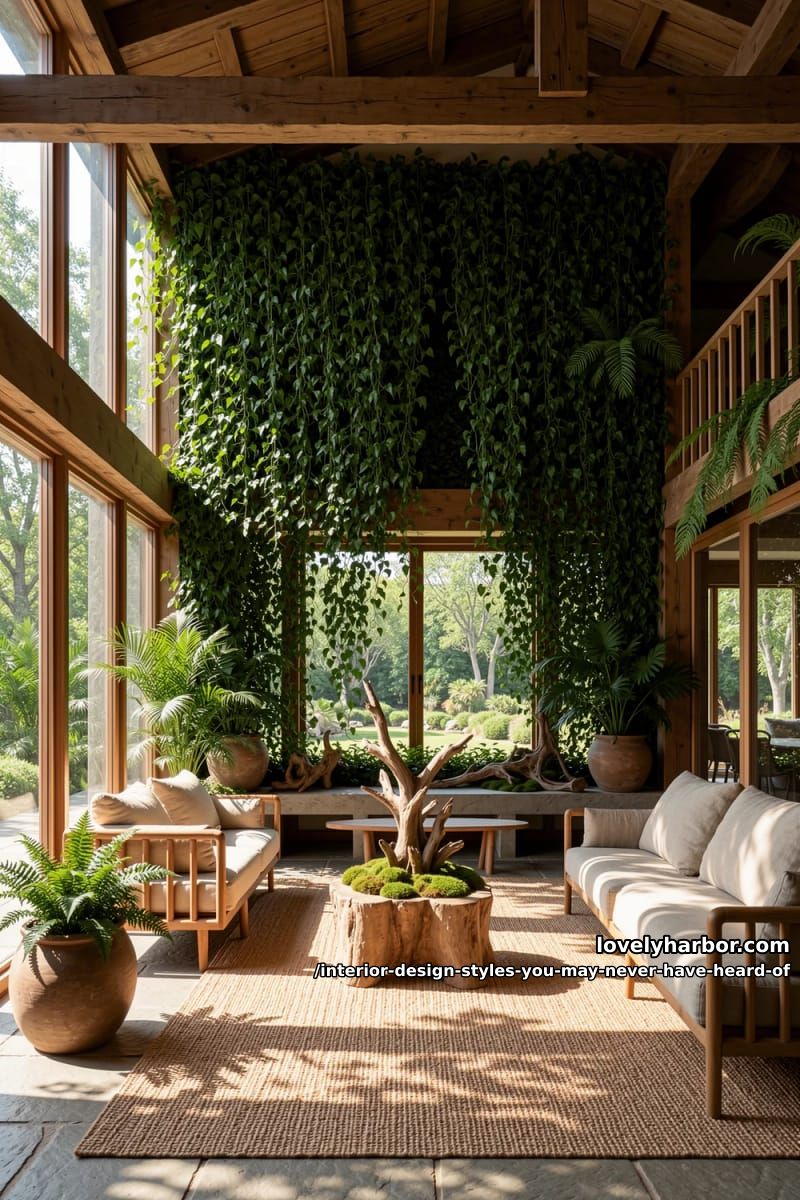
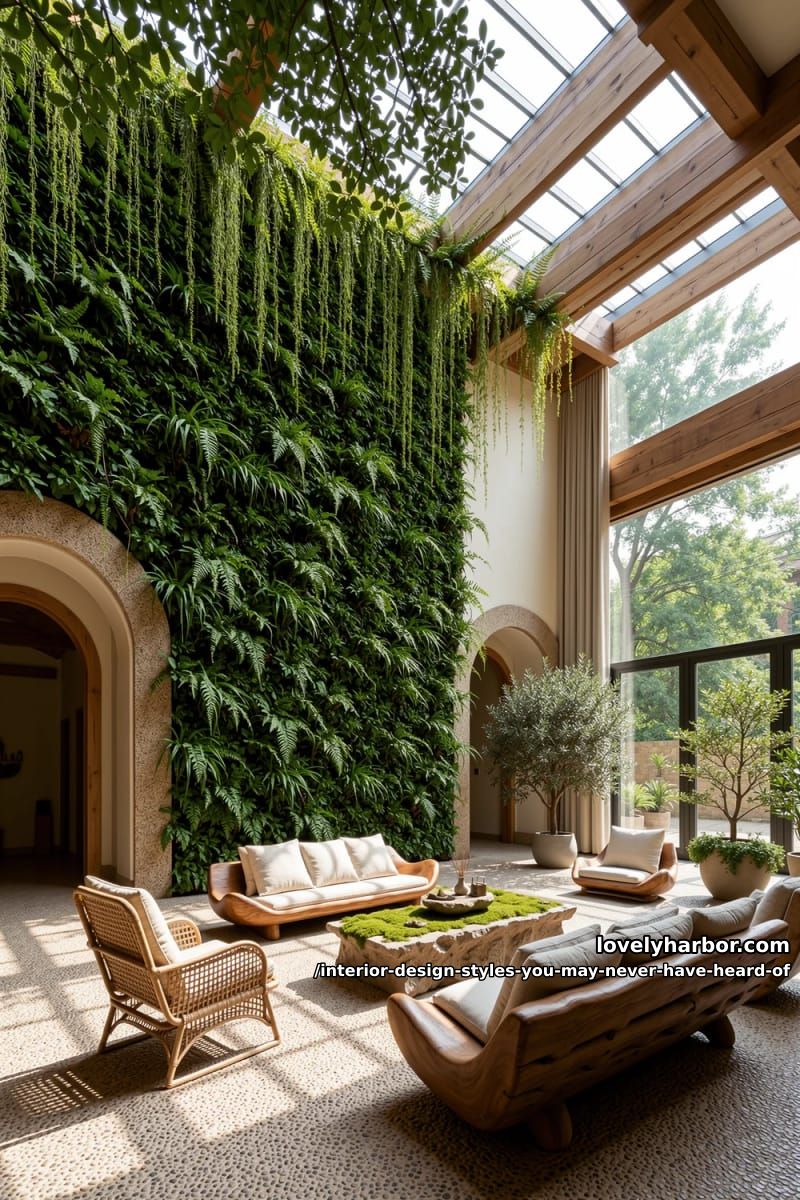
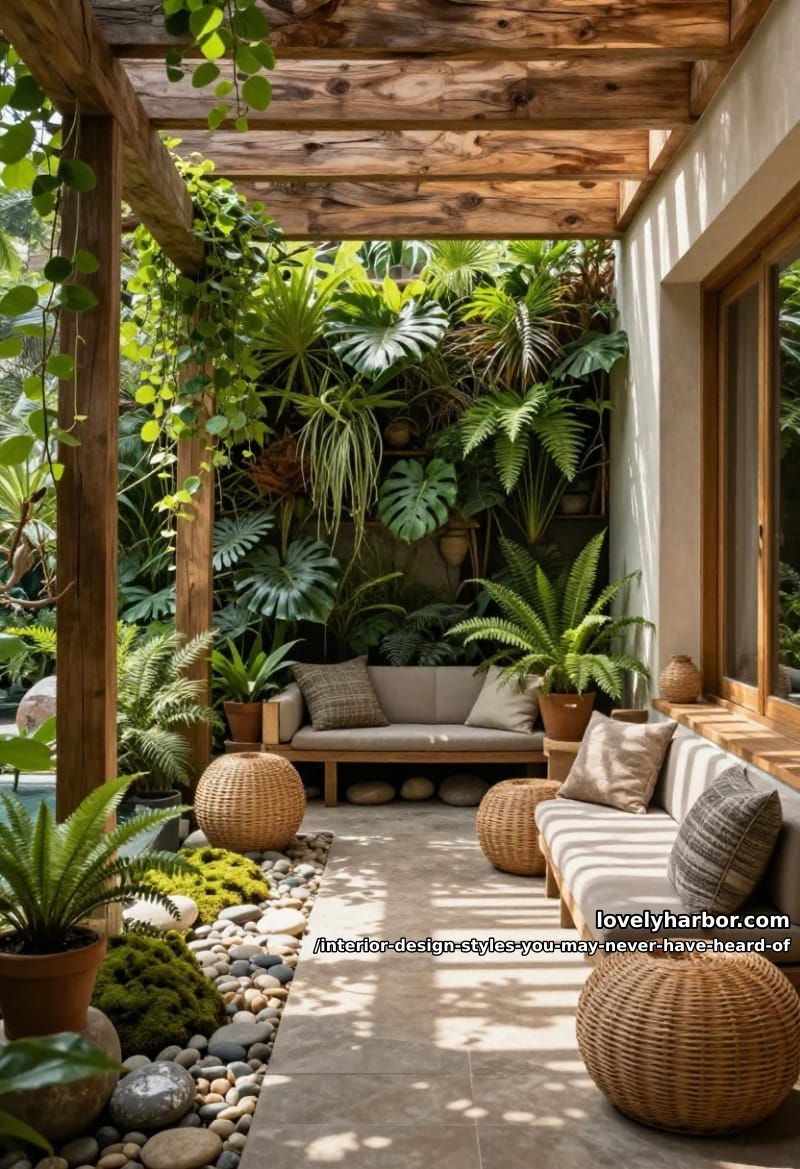
Biophilic Design is frequently reduced to houseplants. That misses the point entirely. The philosophy focuses on strengthening the relationship between people and nature through architecture, materials, light, and spatial planning.
A room with one potted plant is not biophilic. A room designed around natural daylight, organic materials, outdoor views, living greenery, and changing environmental conditions is.
High-impact biophilic features
- Living walls or integrated planting systems
- Direct views to trees, gardens, or water
- Natural material surfaces that are touched daily
Lower-impact additions
- Decorative artificial greenery
- Plants treated as accessories rather than design elements
13. Shaker
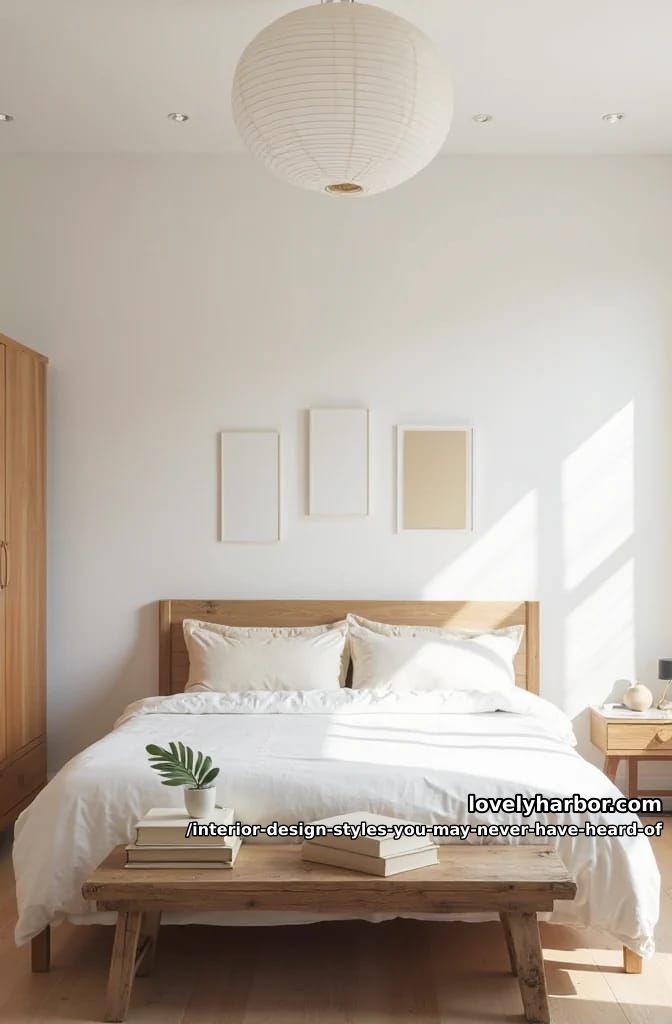
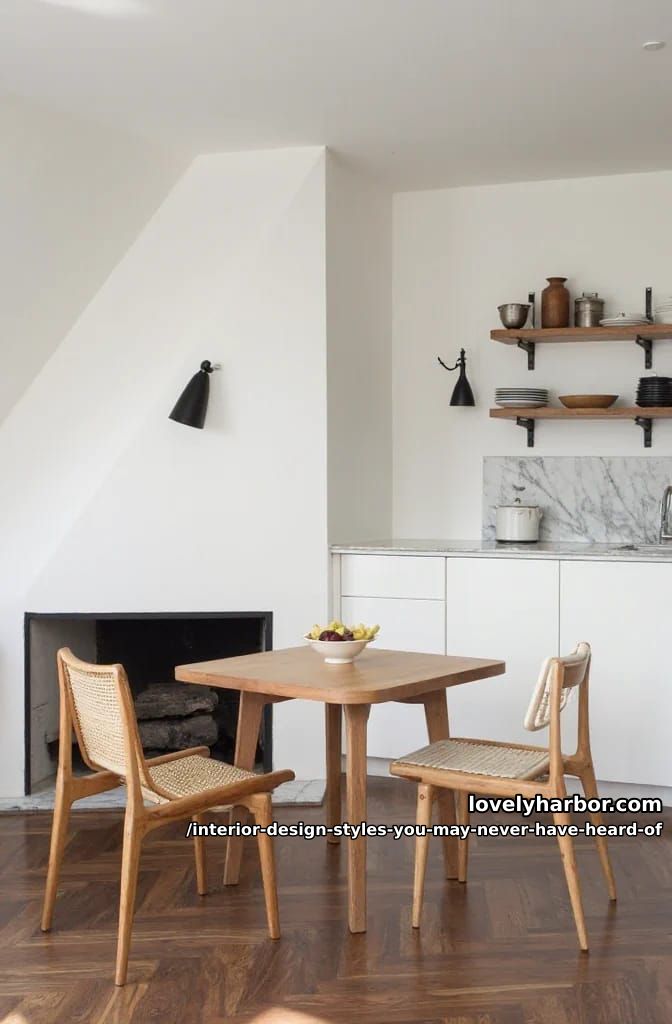
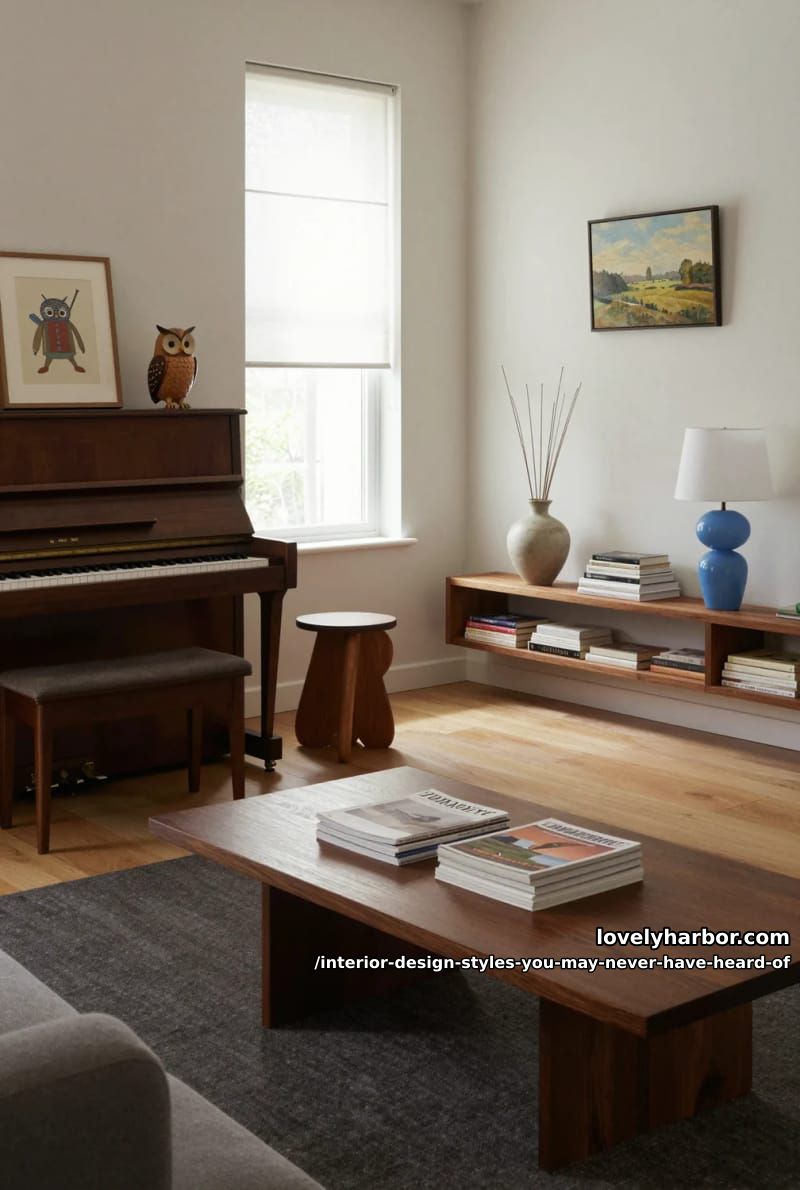
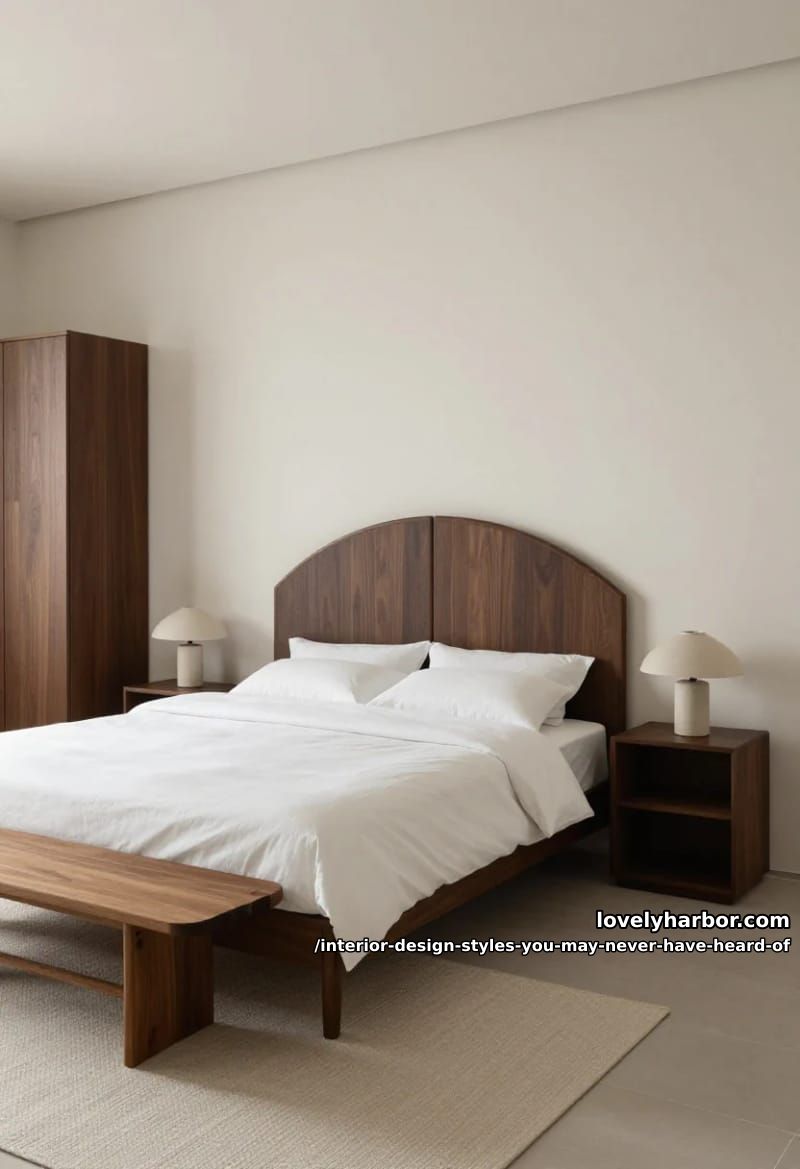
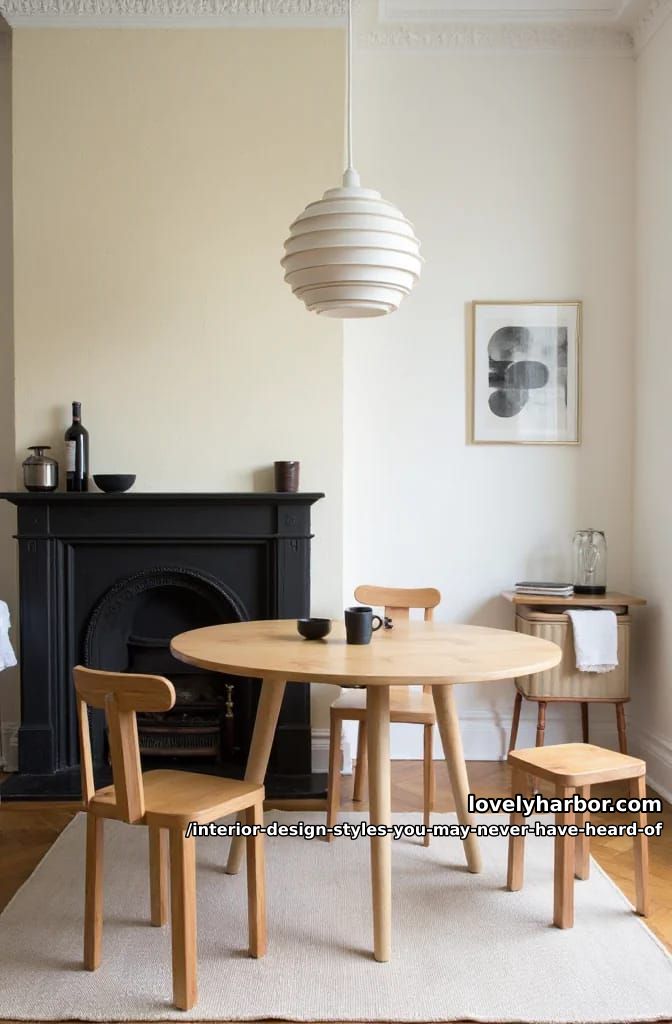
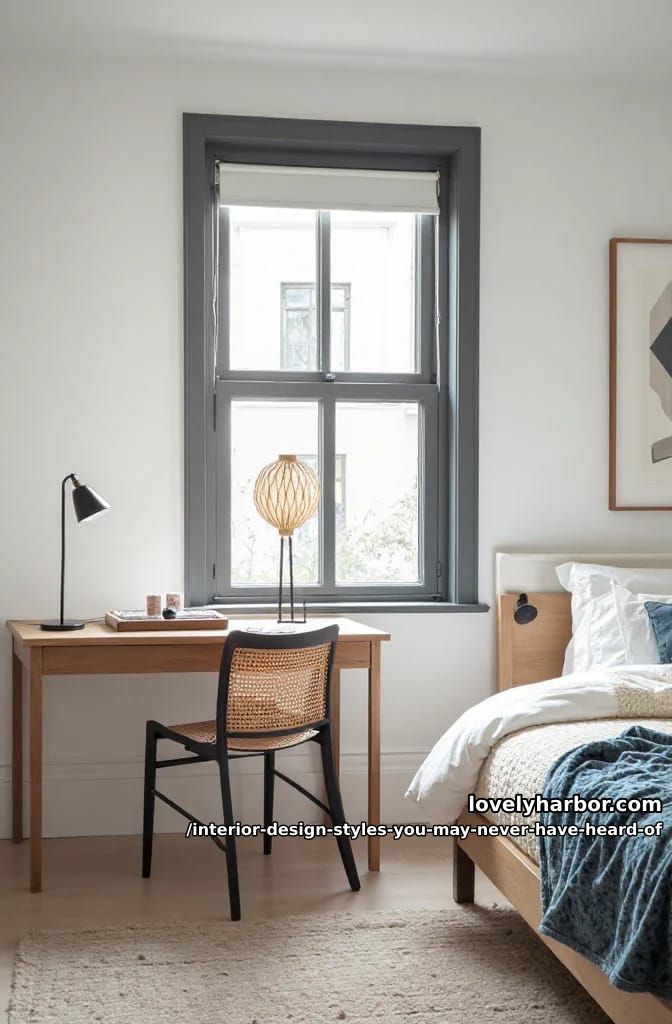
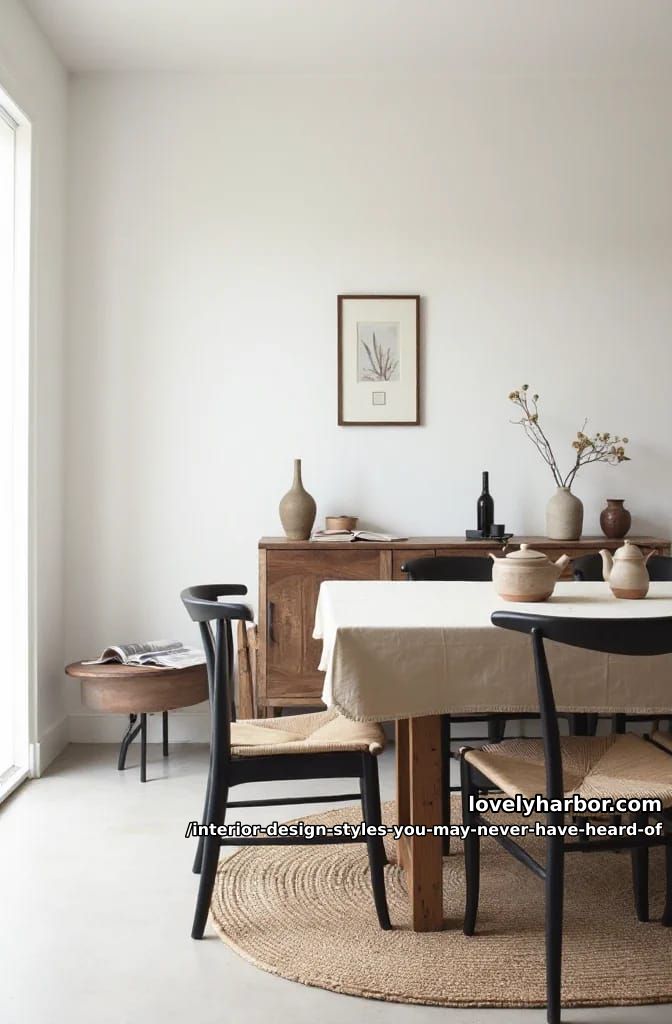
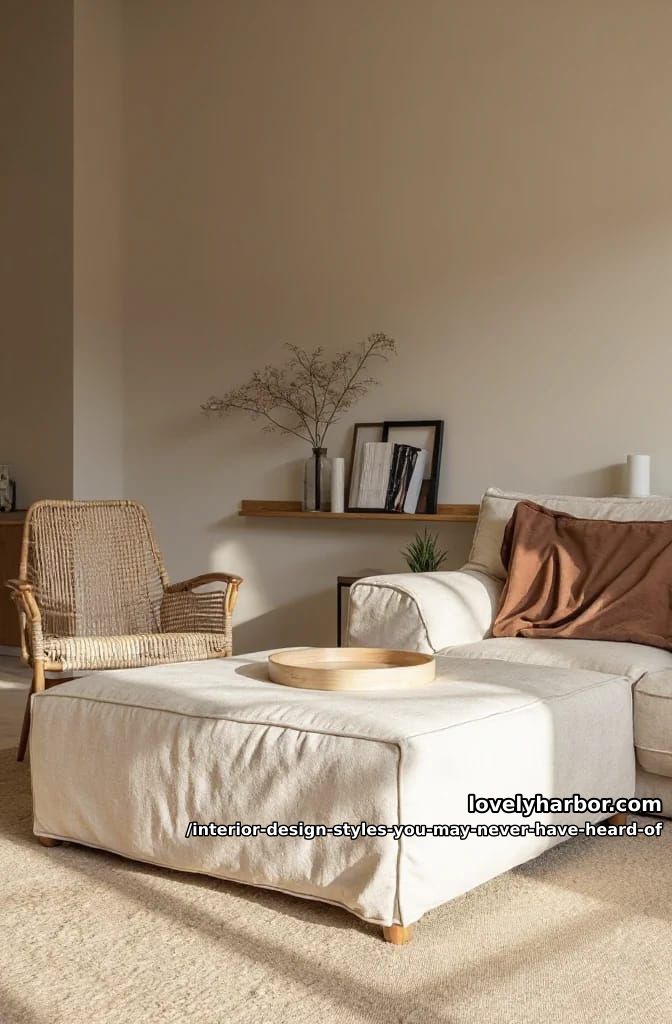
Long before minimalism became fashionable, the Shakers were practicing it. Their furniture was built around utility, craftsmanship, and restraint rather than decoration.
The result feels remarkably modern today. Ladder-back chairs, peg rails, simple tables, and honest joinery continue to influence furniture makers because the pieces solve practical problems with very little visual noise.
Shaker design is not rustic farmhouse. The two styles overlap in materials, but Shaker furniture prioritizes precision and restraint over decorative country details.
14. Neotenic Design
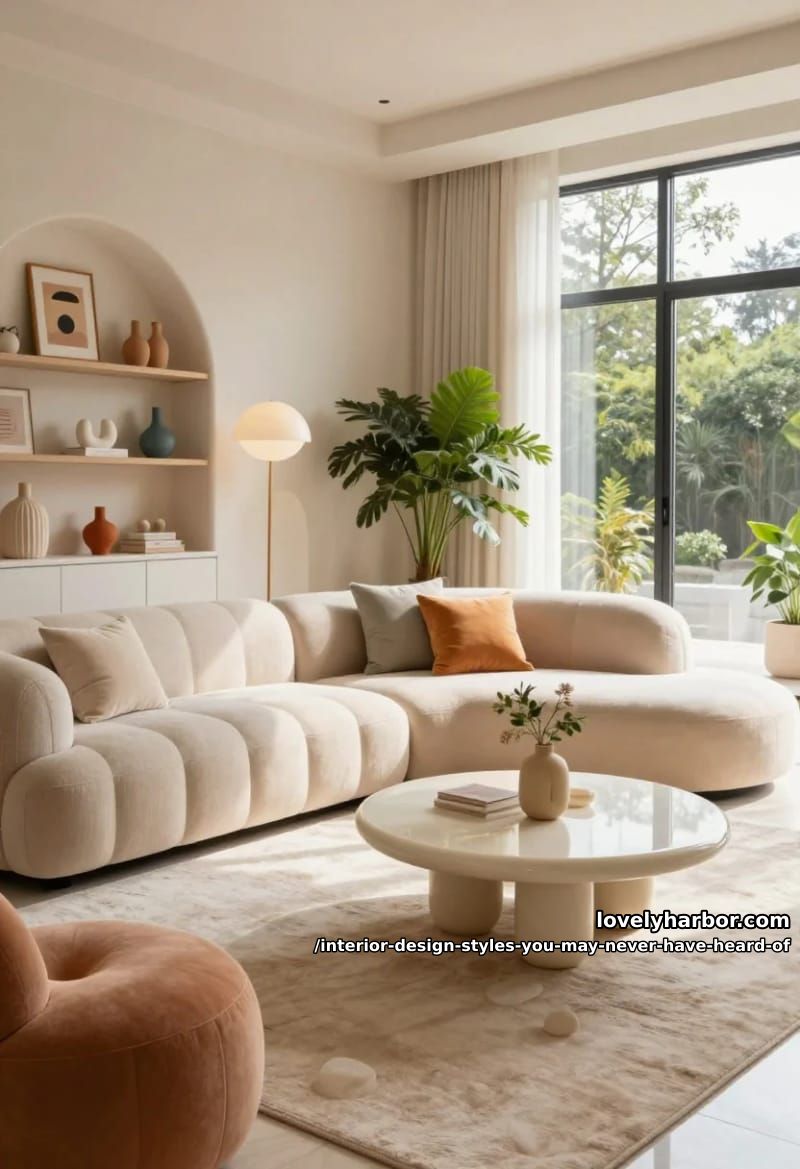
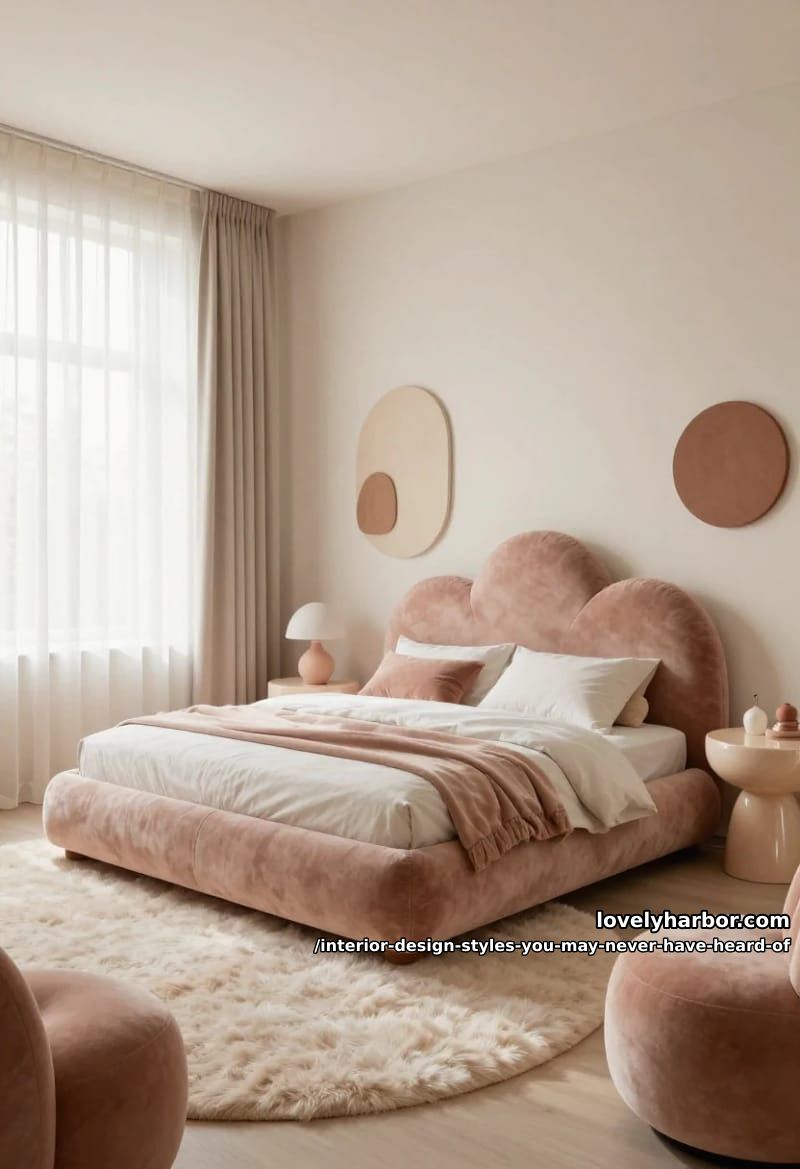
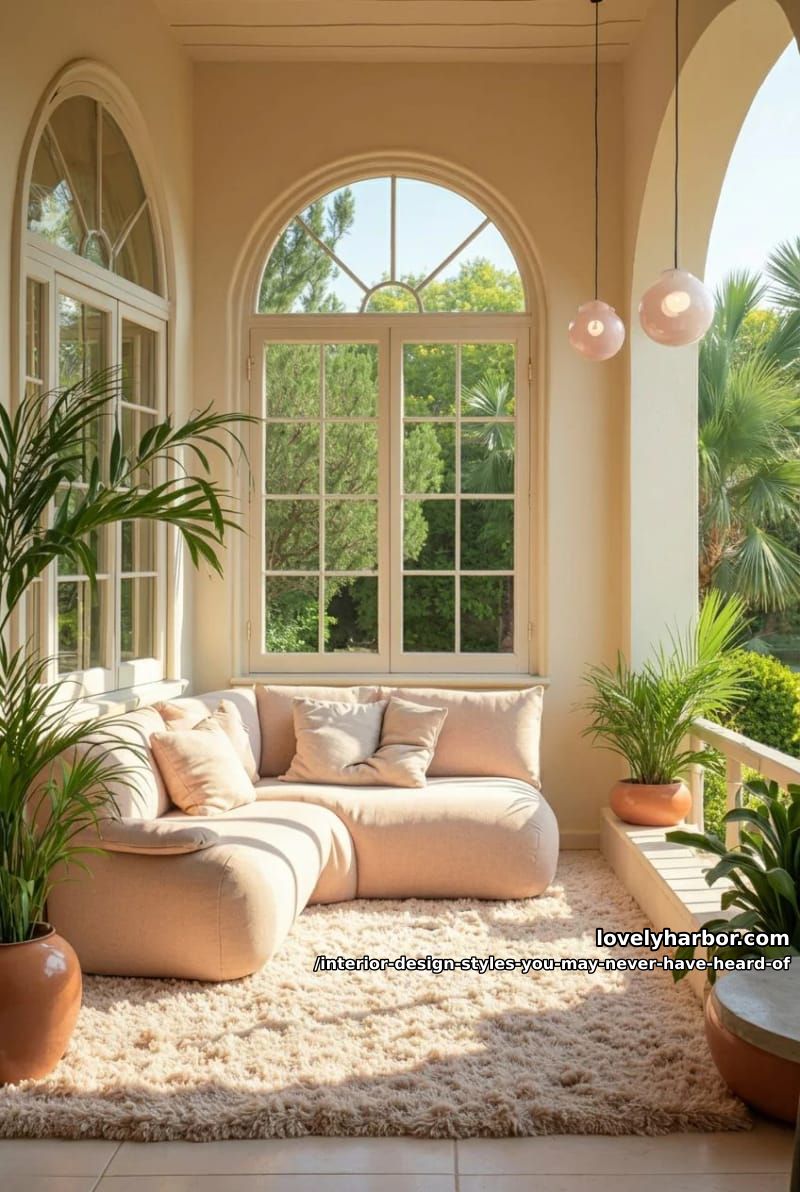
Neotenic Design takes inspiration from youthful proportions. Furniture becomes rounder, softer, and more exaggerated while remaining sophisticated enough for adult spaces.
The style gained traction because many contemporary interiors had become visually severe. Rounded sofas, bulbous chairs, and oversized curves introduce a sense of comfort that sharp-edged furniture often struggles to achieve.
One Piece Is Usually Enough
Neotenic furniture works best as a focal point.
A single oversized curved sofa often creates more impact than filling an entire room with rounded forms. Too much repetition can make the space feel cartoonish.
15. Art Deco
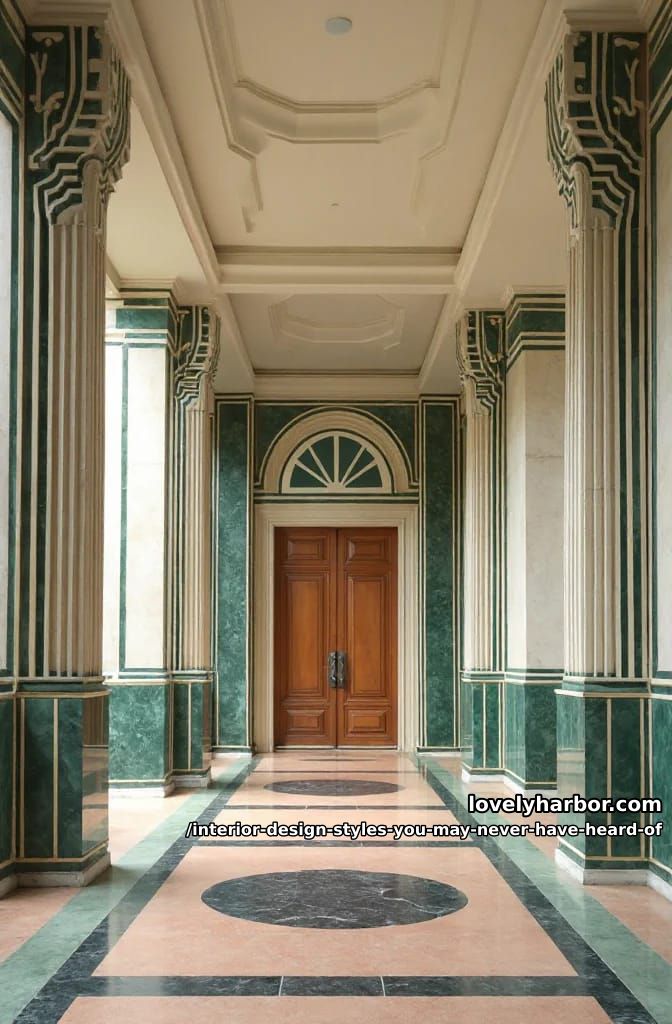
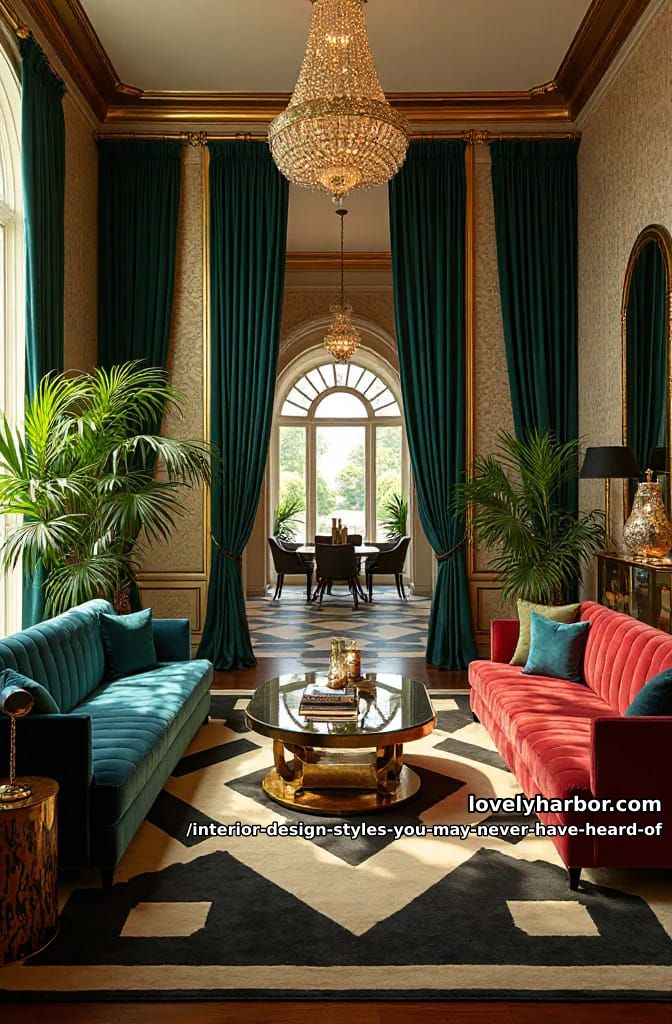
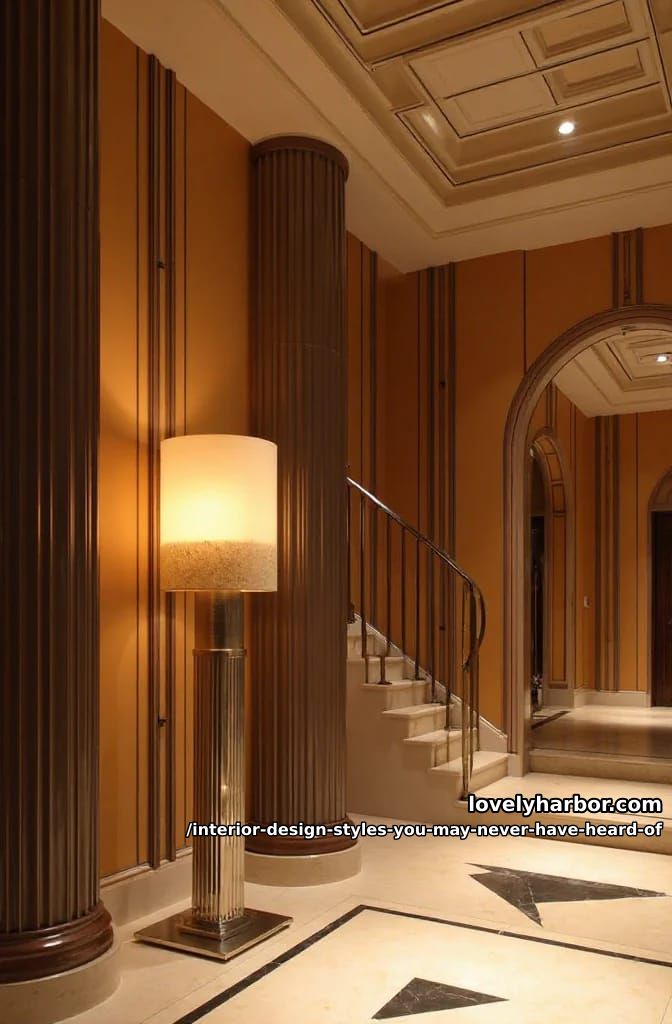
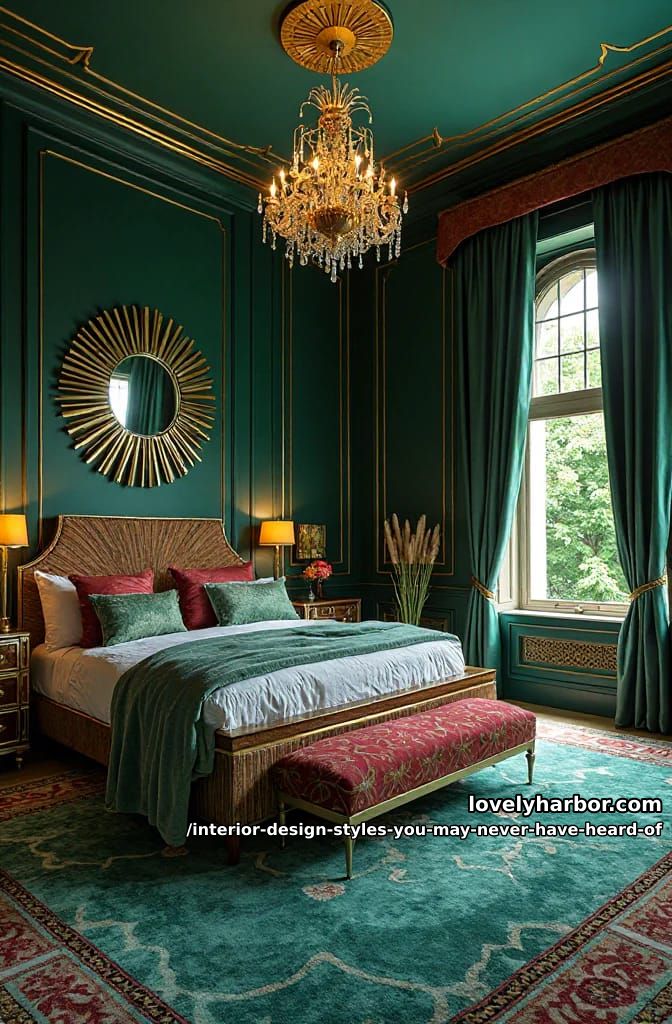
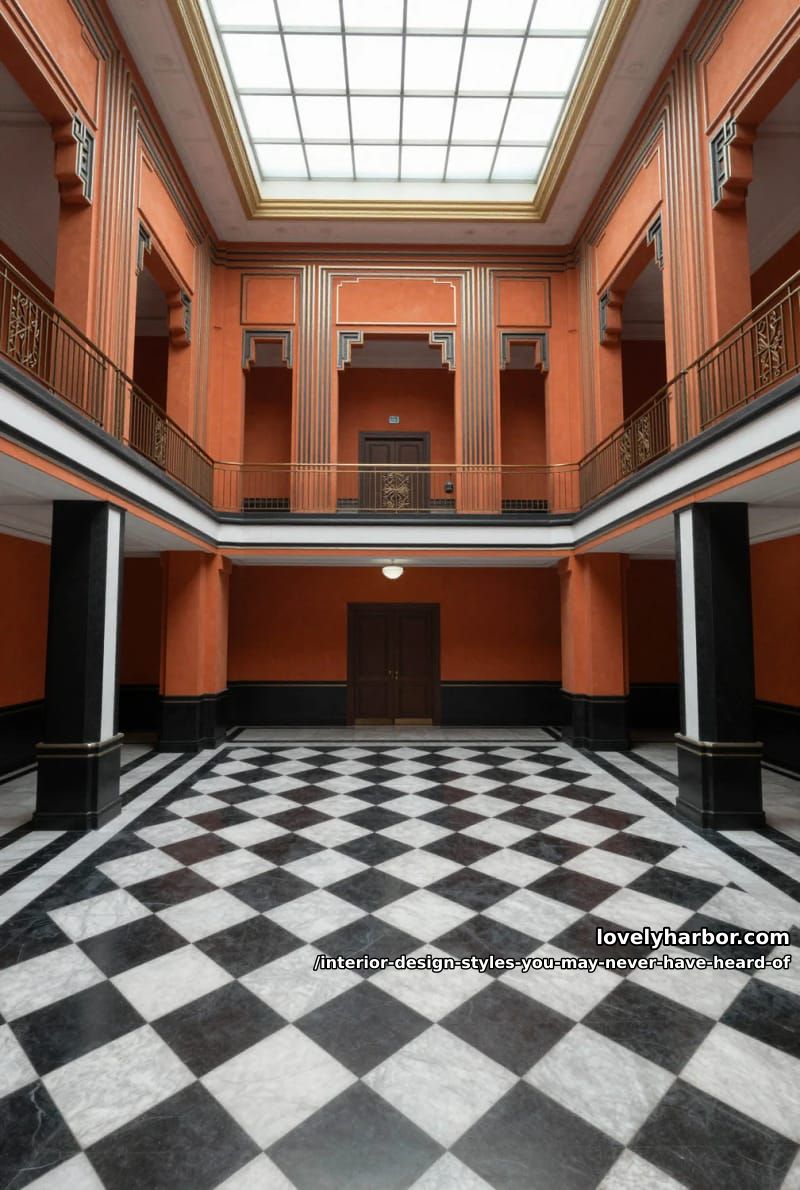
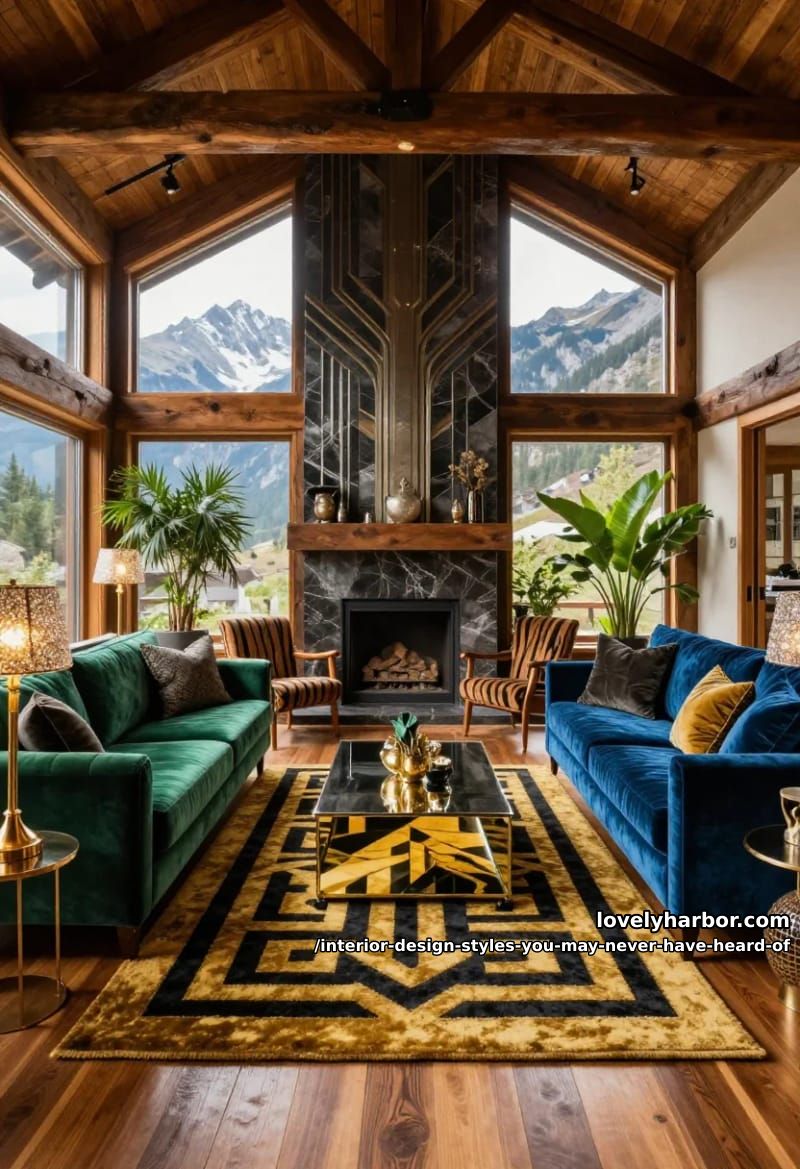
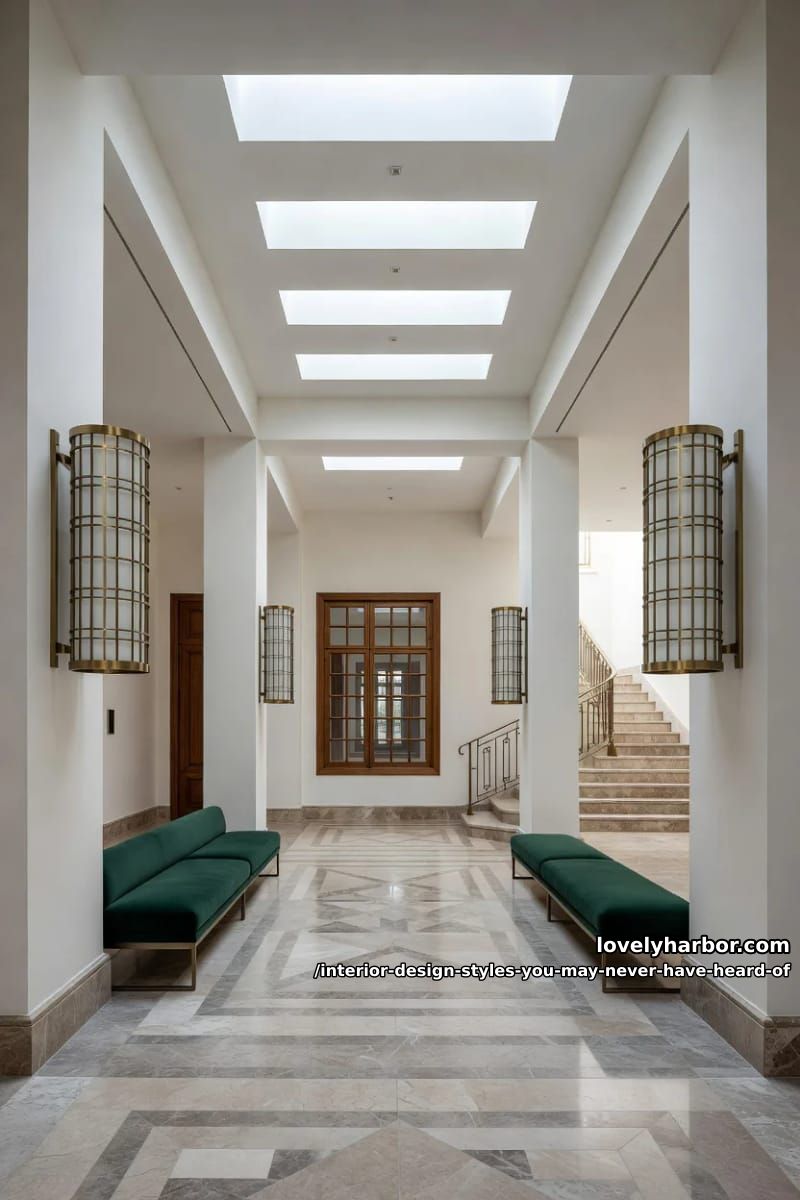
Art Deco remains one of the most recognizable luxury styles ever created. Emerging during the 1920s and 1930s, it celebrated craftsmanship, symmetry, exotic materials, and technological progress.
Many modern interpretations focus only on brass accents and geometric wallpaper. The original movement was far richer than that. Exotic woods, lacquered surfaces, mirrored finishes, and deeply saturated colors worked together to create a sense of controlled extravagance.
Symmetry: furniture and architecture are carefully balanced.
Geometry: stepped forms, sunbursts, and repeating patterns dominate.
Luxury materials: metals, lacquer, stone, and exotic veneers play major roles.
16. Subtropical
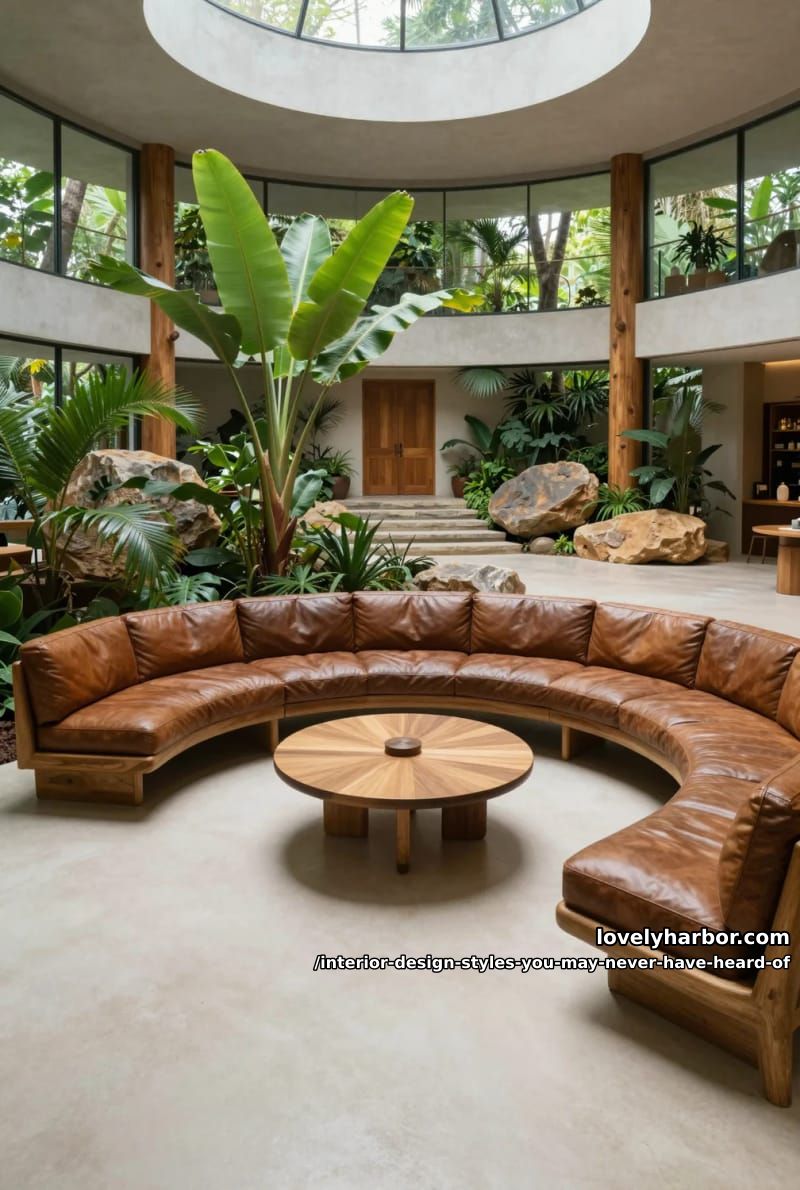
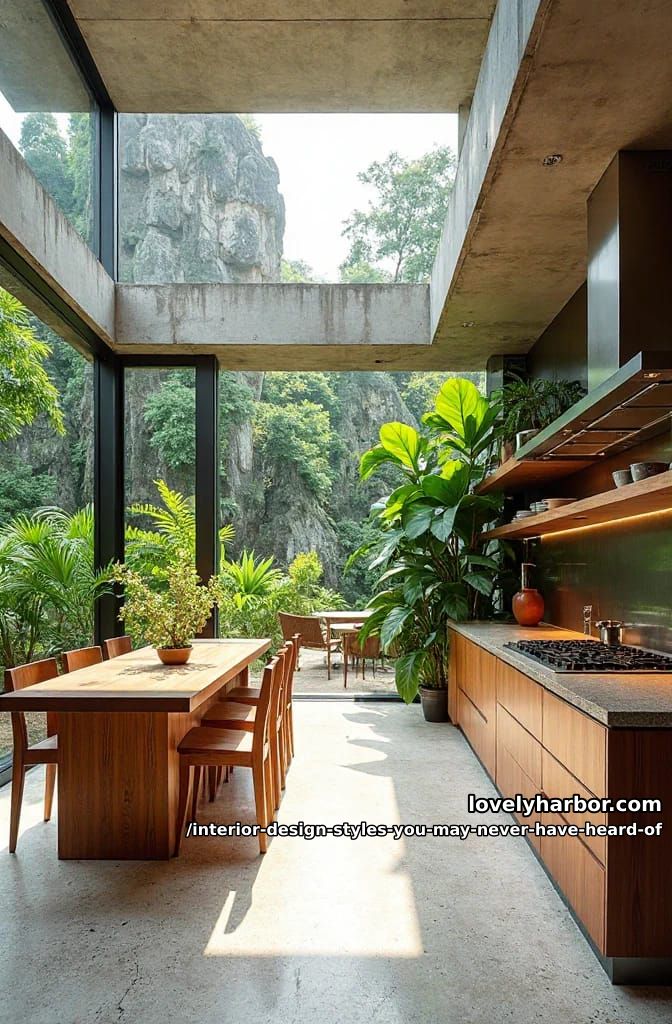
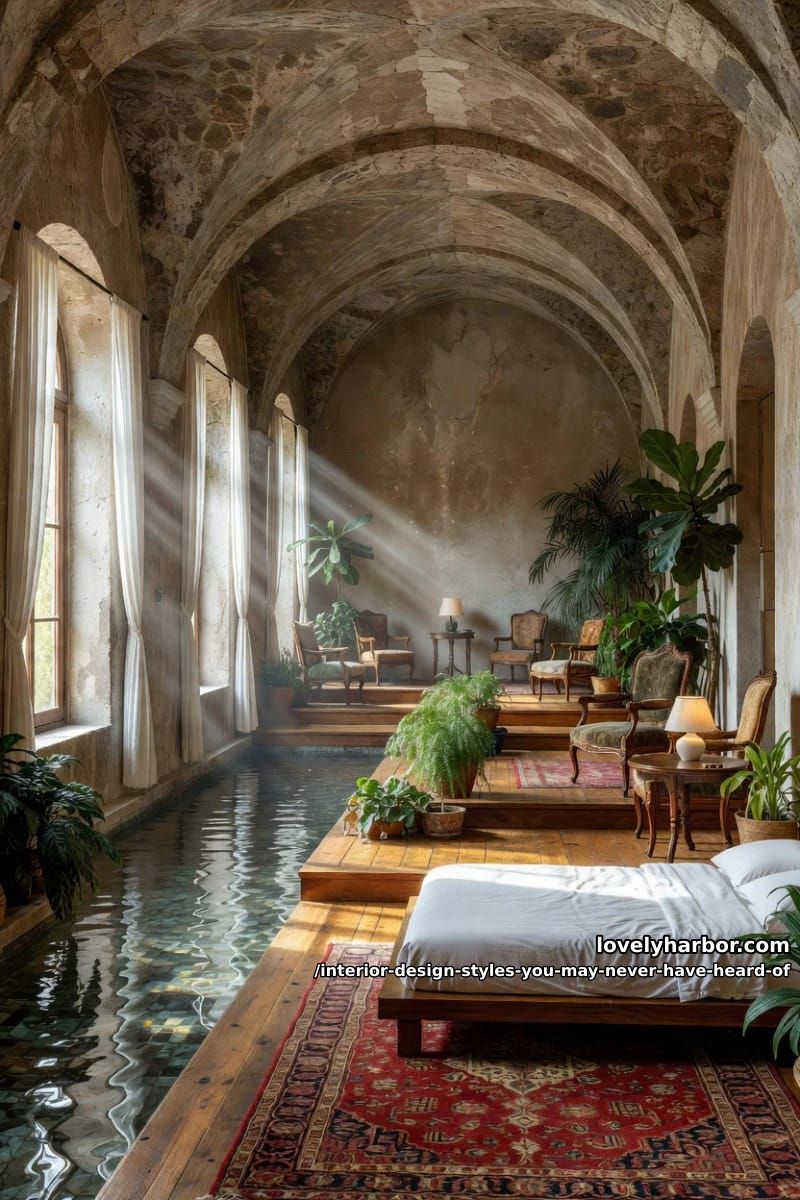
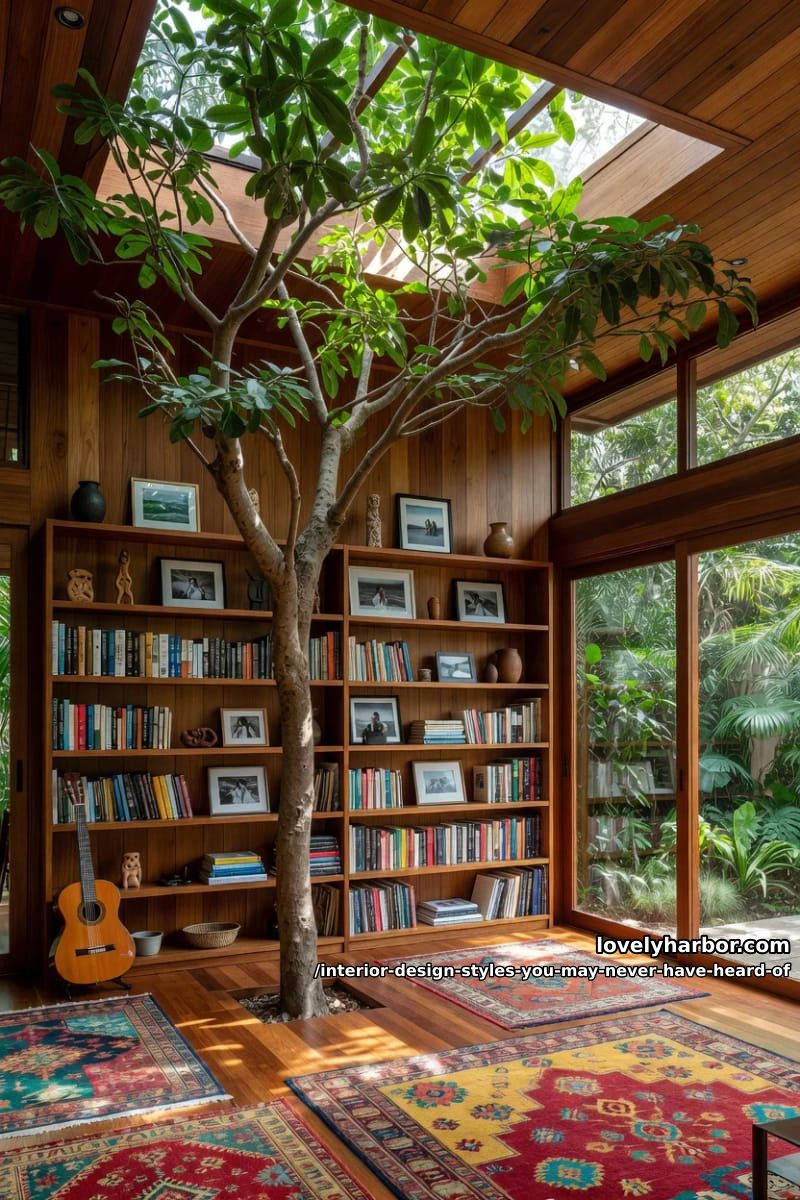
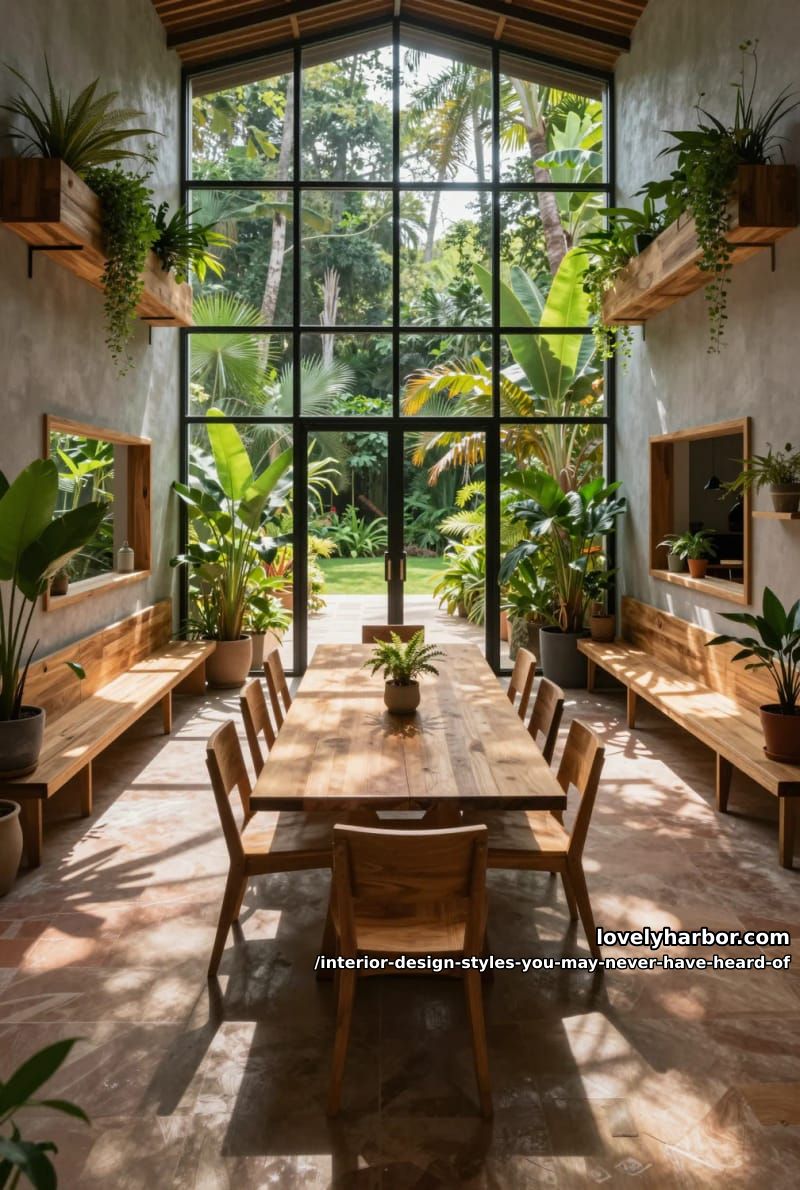
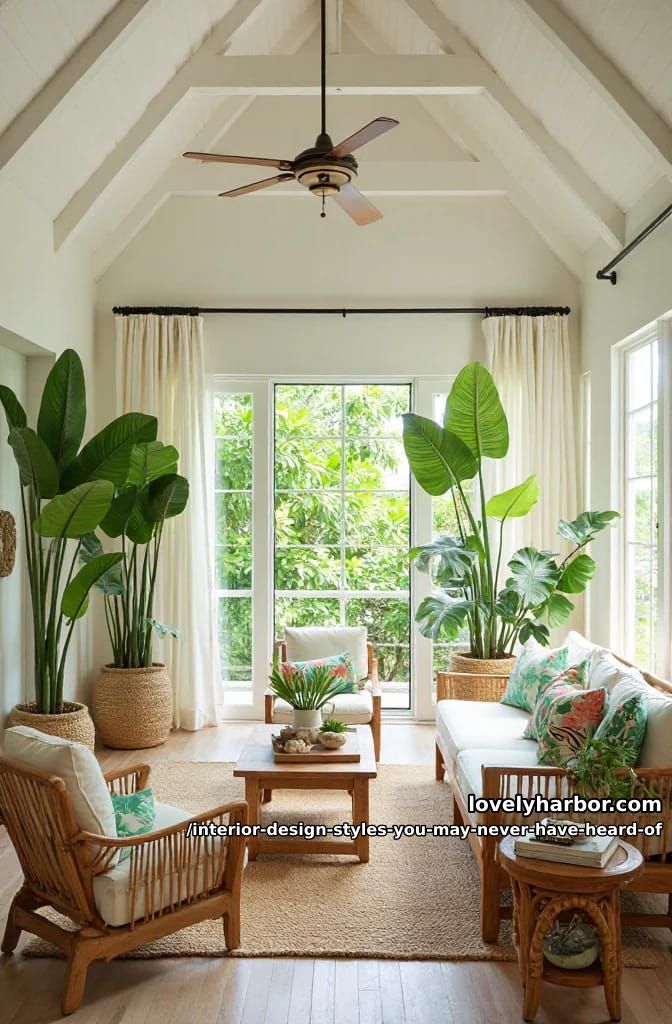
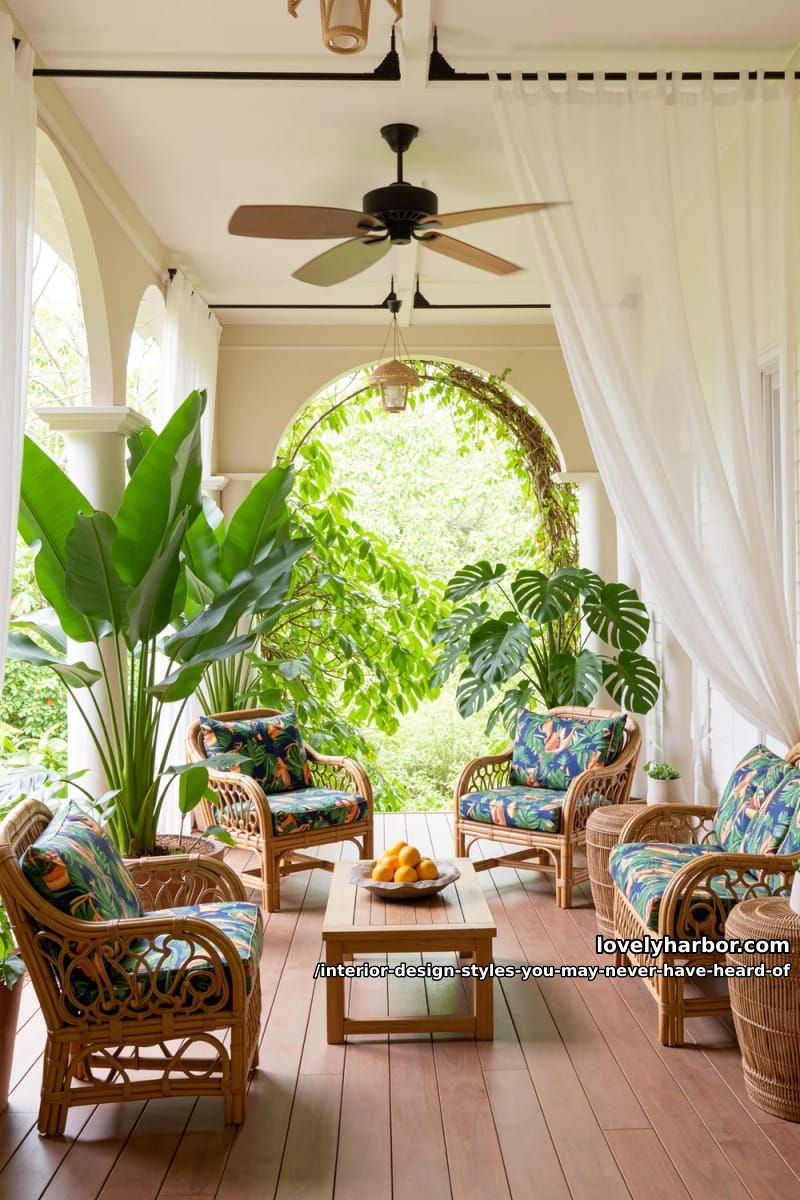
Subtropical interiors are designed for climates where indoor and outdoor living naturally blend together. Airflow matters. Shade matters. Materials must tolerate heat and humidity.
Large-leaved plants, cane furniture, ceiling fans, and breathable textiles create spaces that feel appropriate to their environment rather than imported from a completely different climate. The style succeeds because it responds directly to how people actually live in warm regions.
17. Hollywood Regency
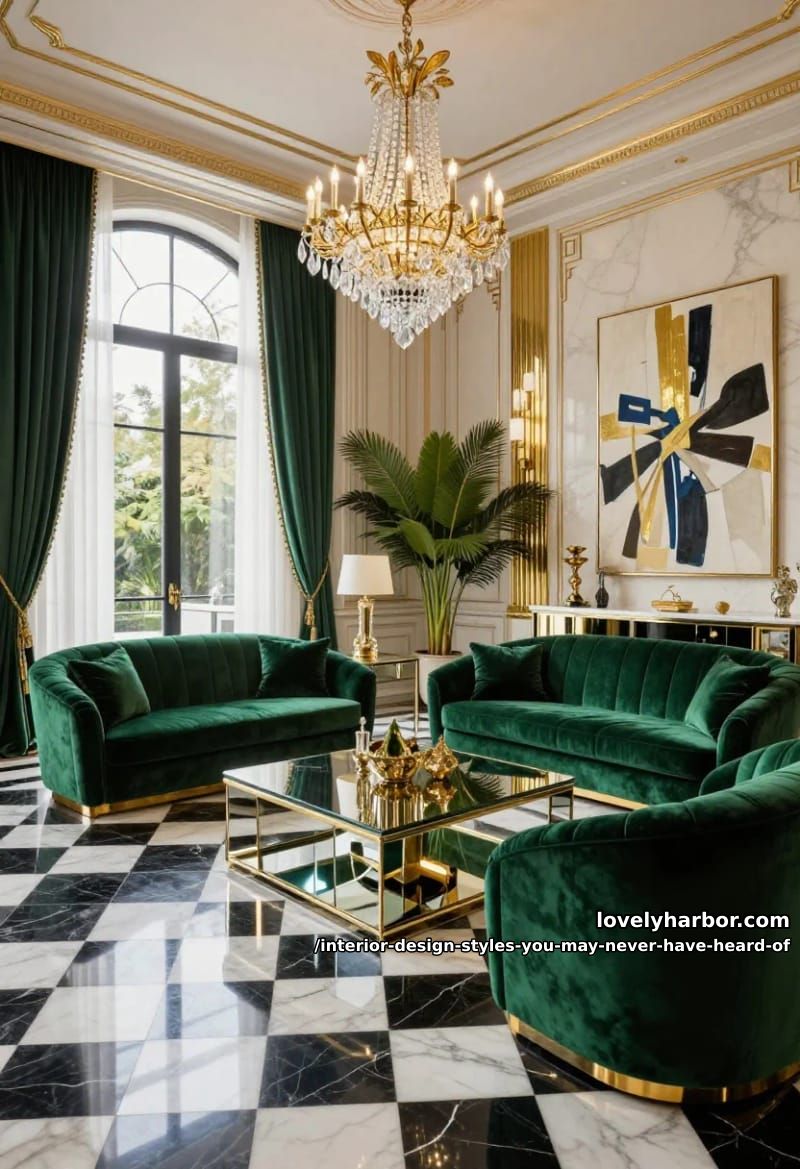
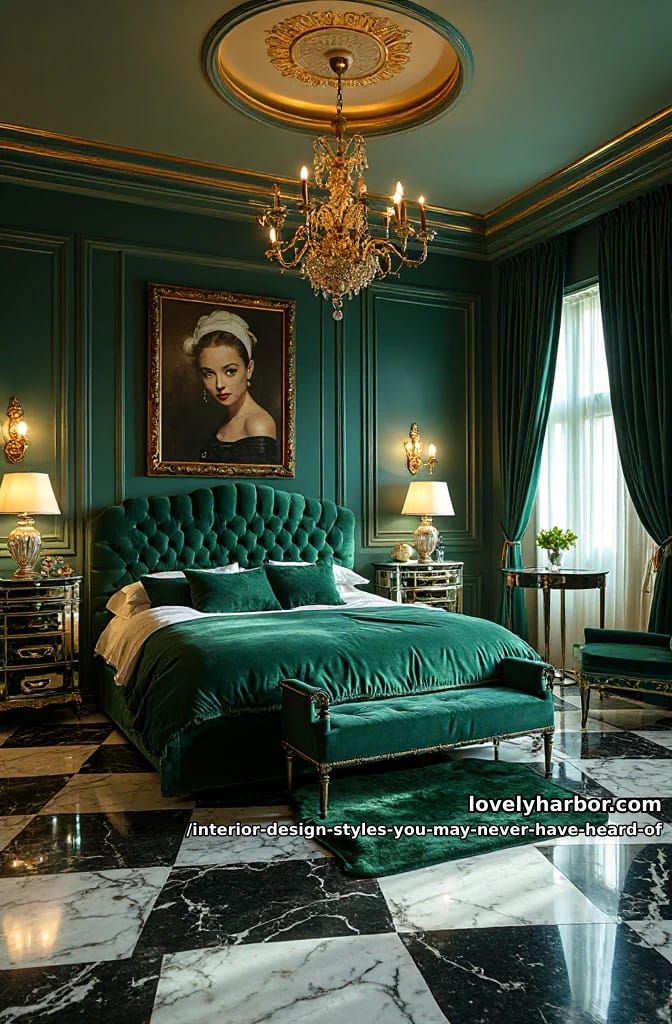
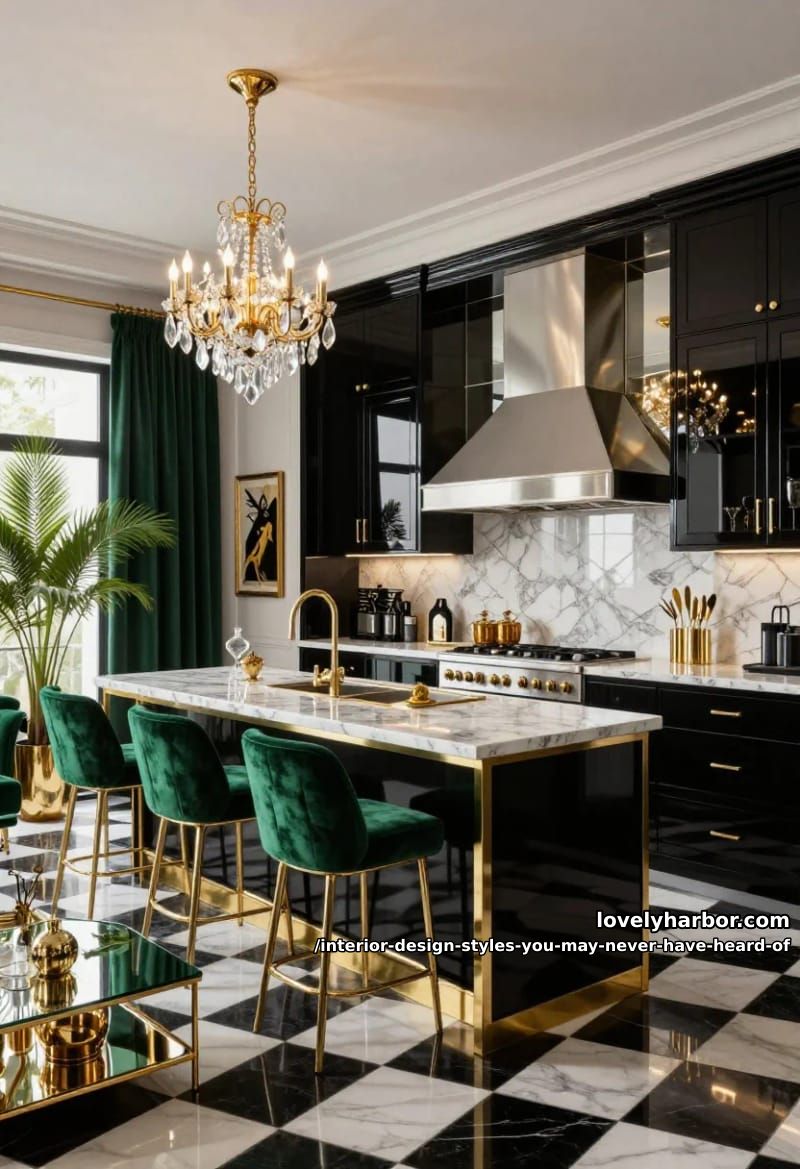
Hollywood Regency does not believe in subtlety. The style emerged during the Golden Age of cinema and embraced drama, glamour, and visual impact at every opportunity.
Mirrored surfaces, lacquered finishes, velvet upholstery, bold contrast, and polished metallic accents define the look. The challenge is knowing when to stop. One glamorous room feels intentional. An entire house can begin to resemble a movie set.
Do this
- Use high-contrast color palettes intentionally
- Mix reflective surfaces with rich textures
Avoid
- Making every room equally dramatic
- Adding decorative shine without contrast
18. Nordic Noir
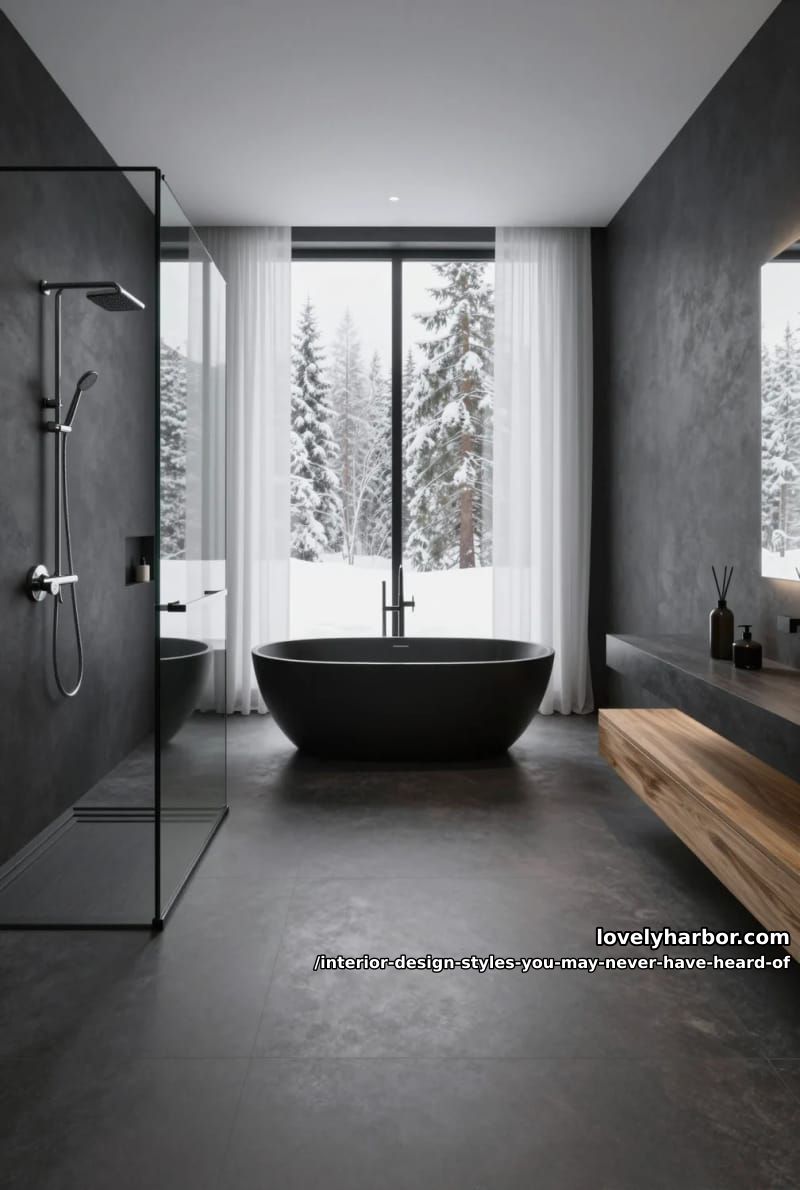
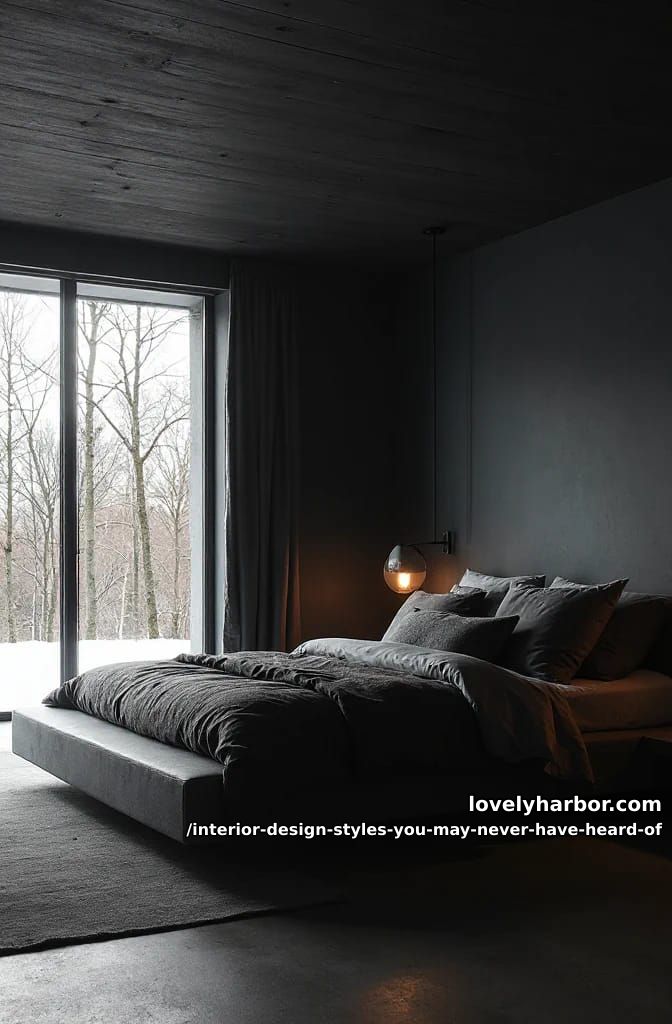
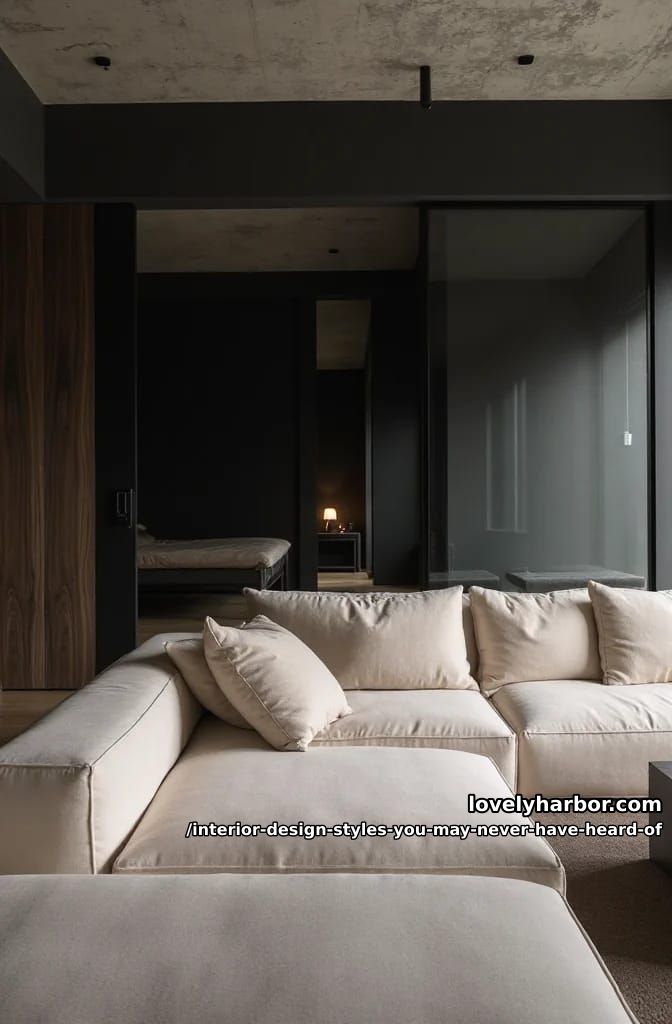
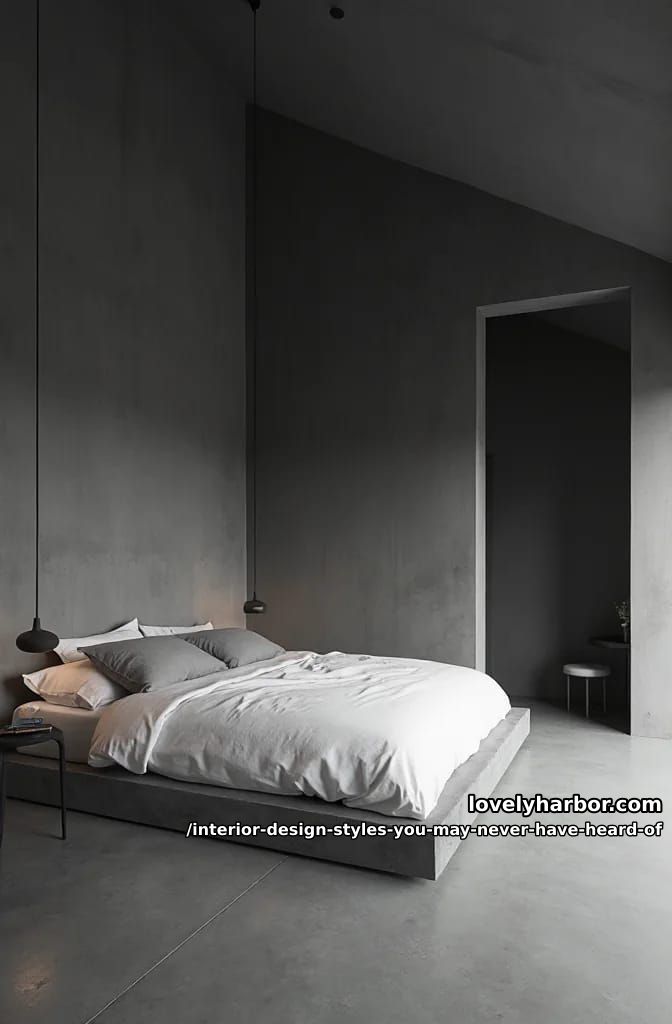
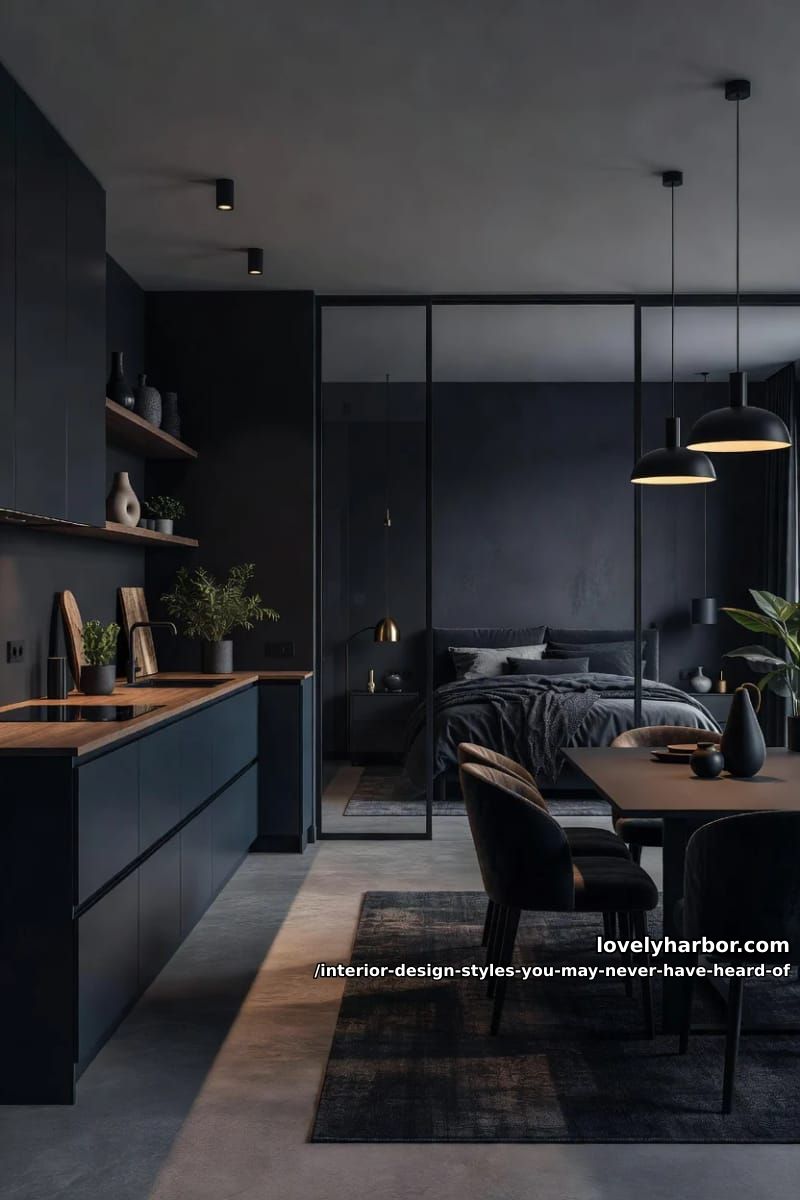
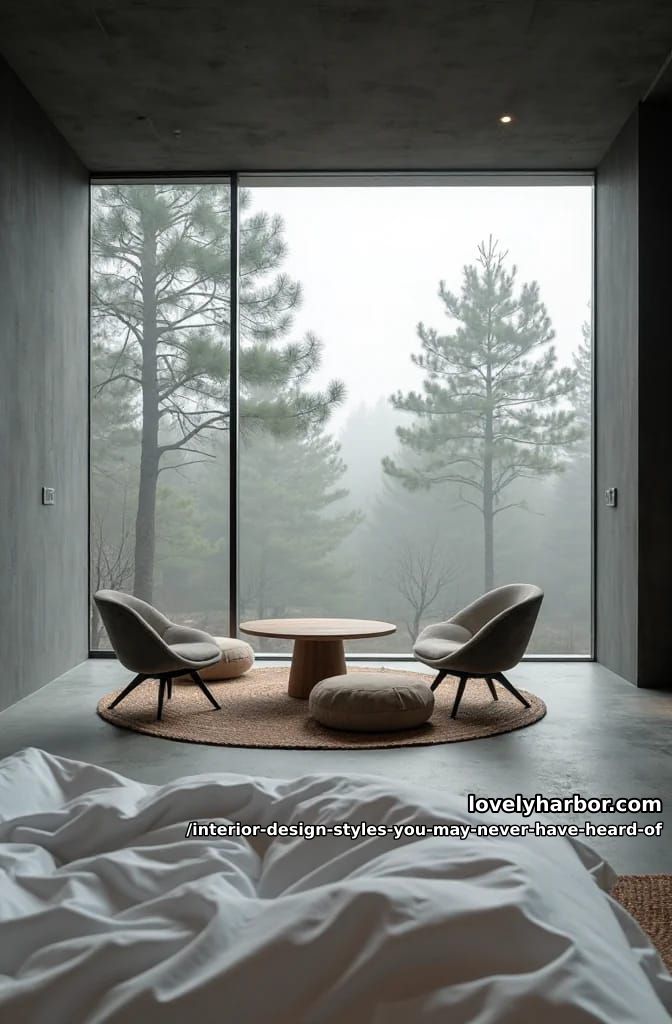
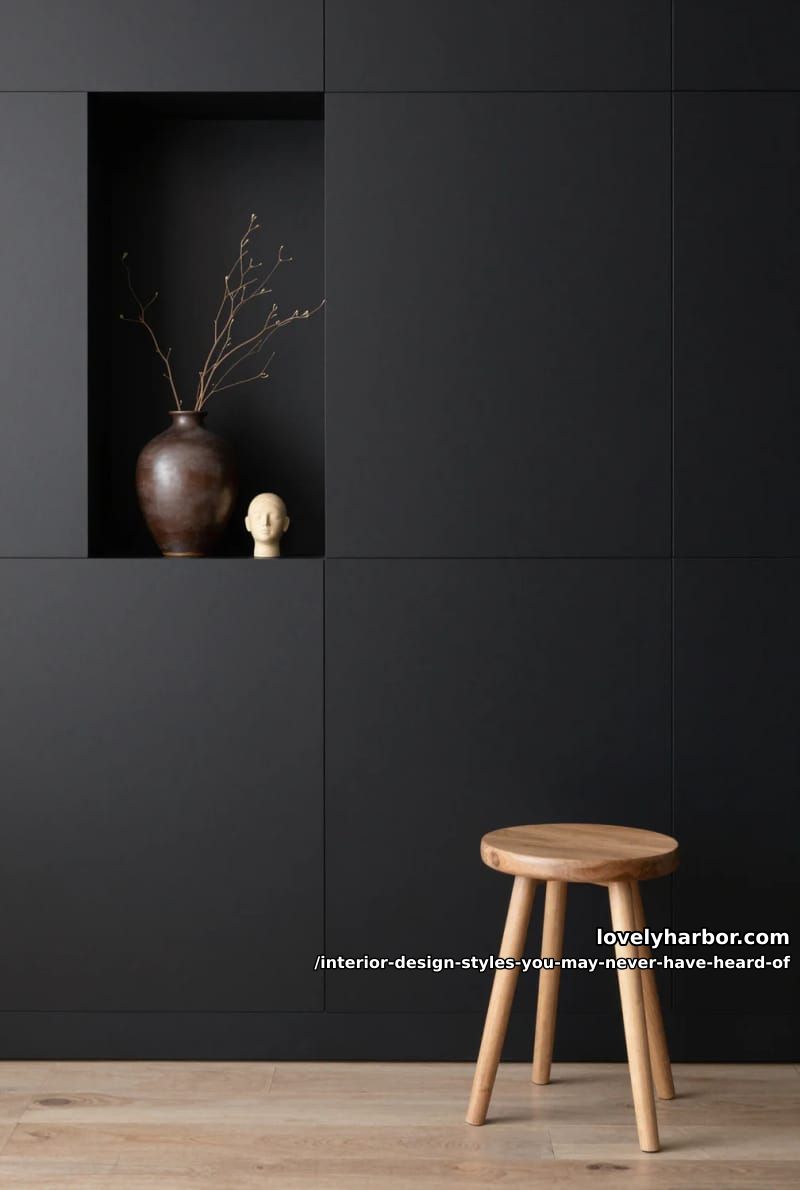
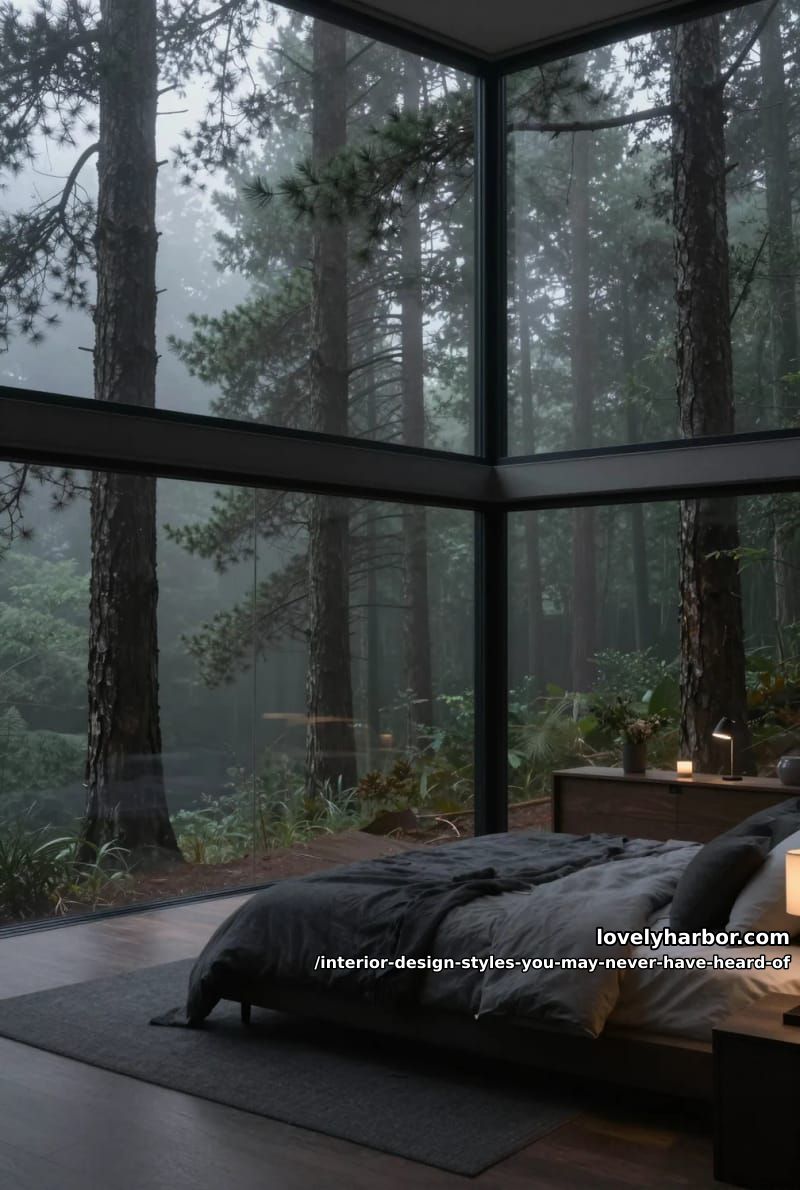
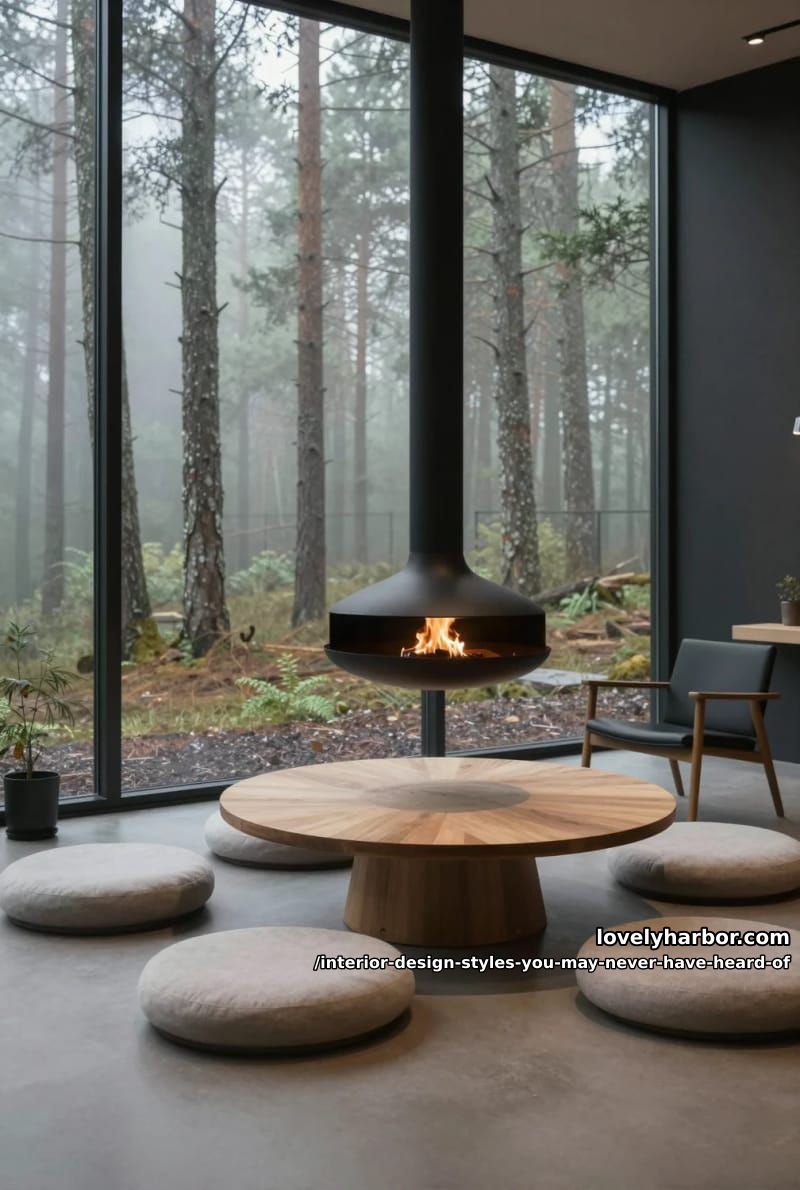
Nordic Noir takes Scandinavian design in a darker direction. The clean lines remain, but the bright white palette disappears in favor of charcoal, navy, forest green, and other saturated tones.
The style works because darkness is balanced by texture. Warm woods, layered textiles, and careful lighting prevent the room from feeling cold. The result is moodier than traditional Scandinavian interiors without losing their practicality.
| Feature | Traditional Scandinavian | Nordic Noir |
|---|---|---|
| Wall Color | White and pale neutrals | Dark saturated tones |
| Atmosphere | Bright and airy | Layered and dramatic |
| Contrast | Subtle | Pronounced |
19. Organic Modernism
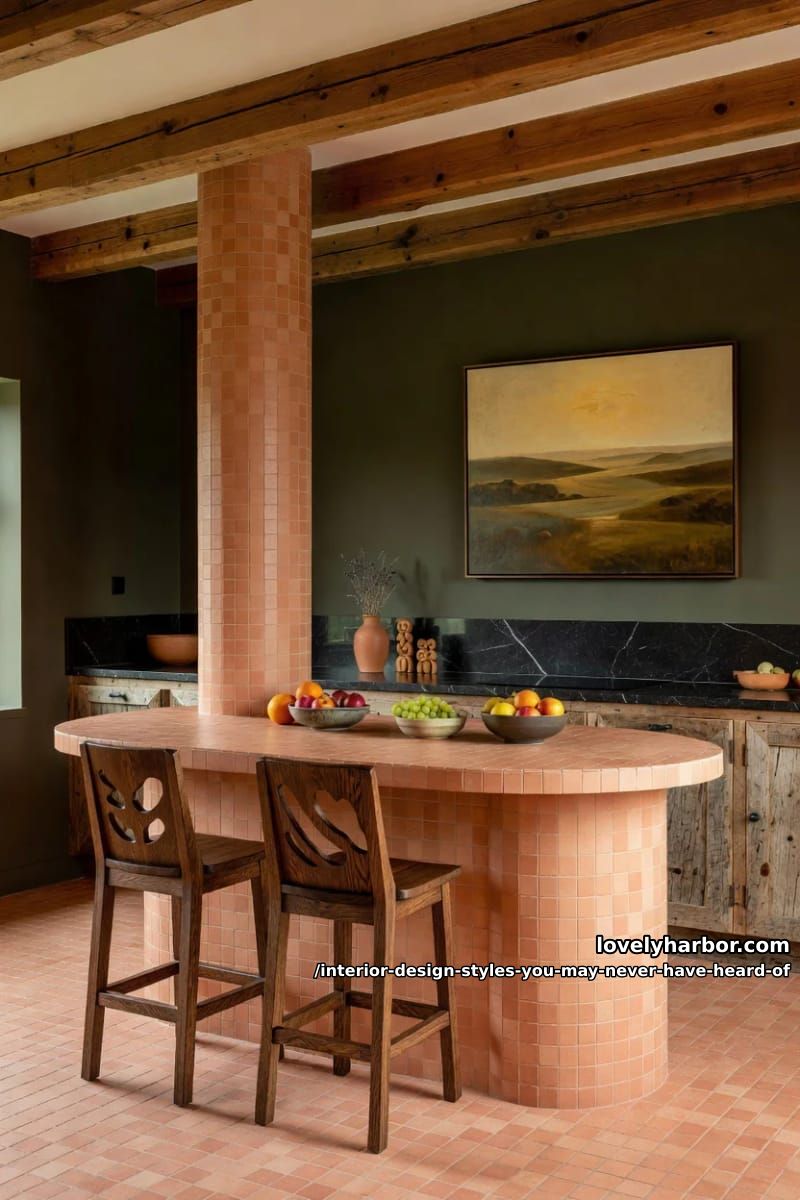
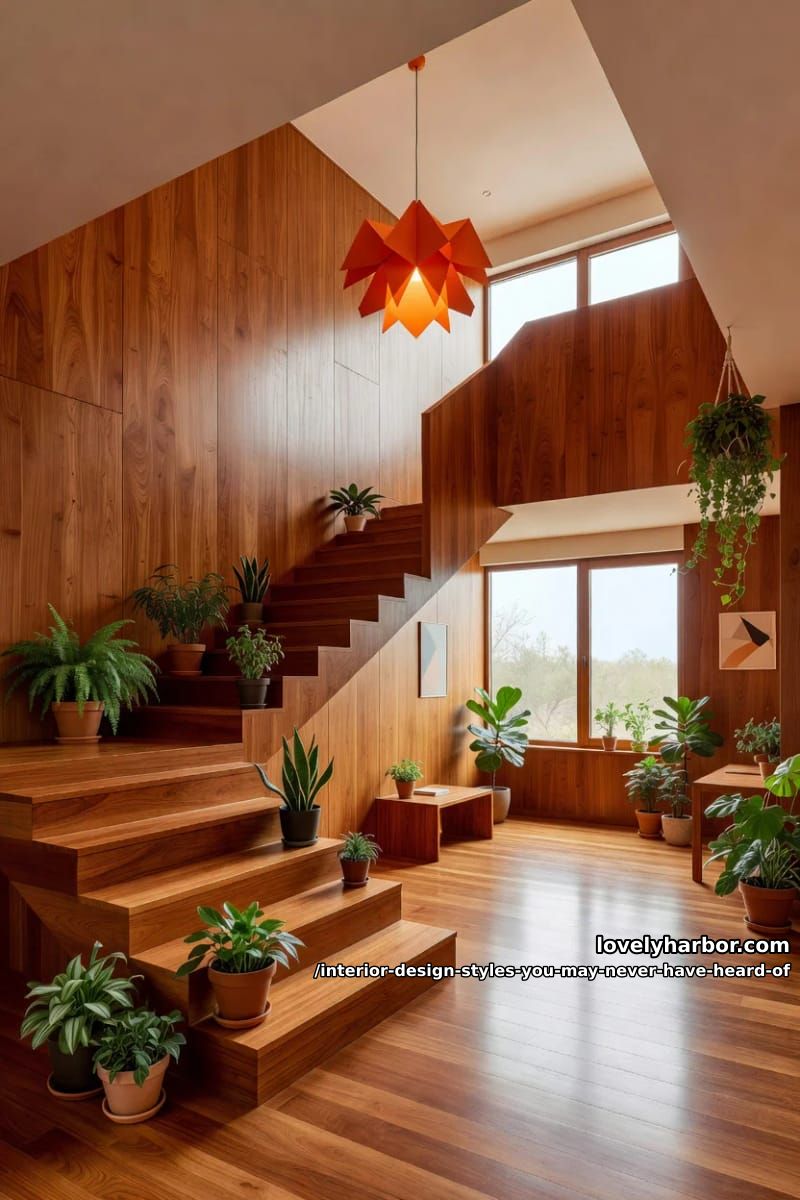
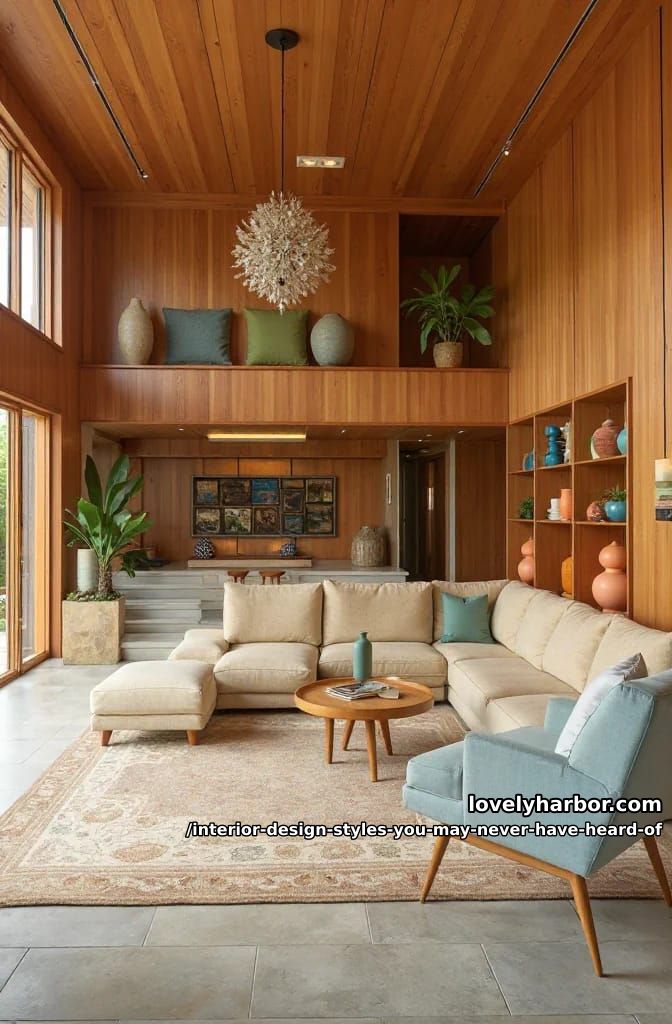
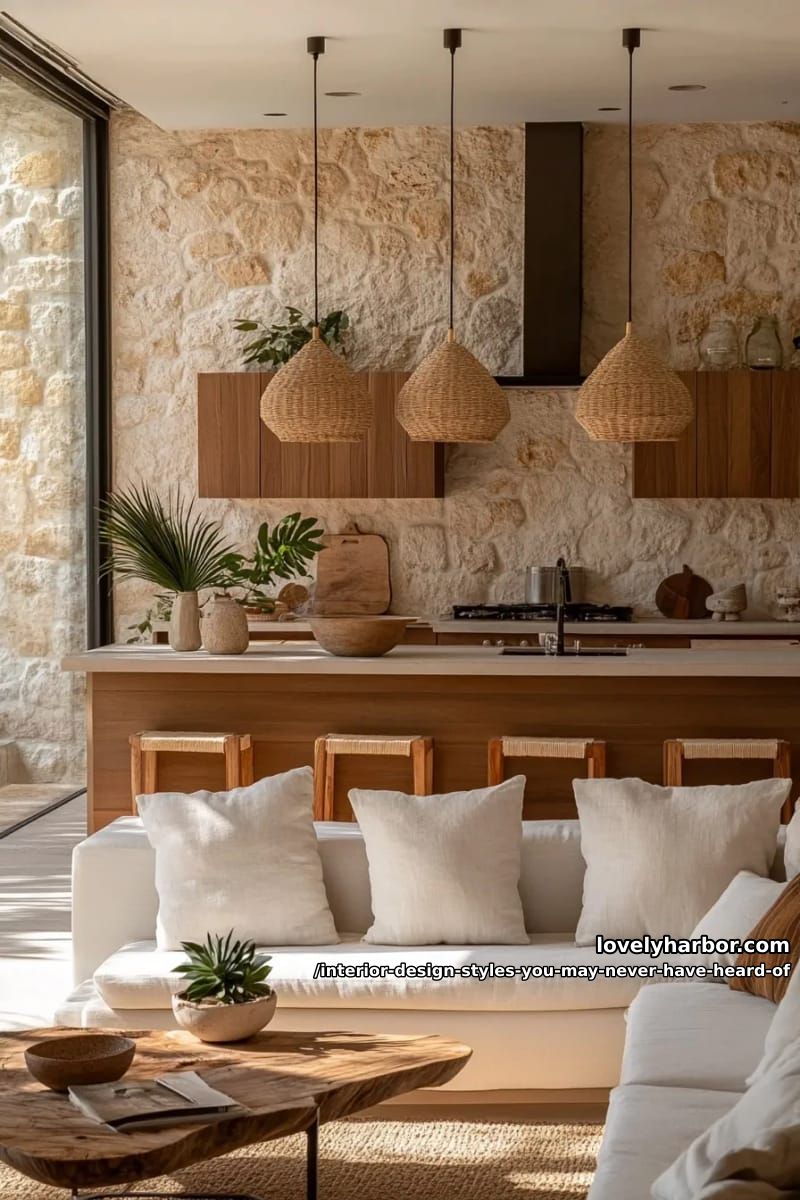
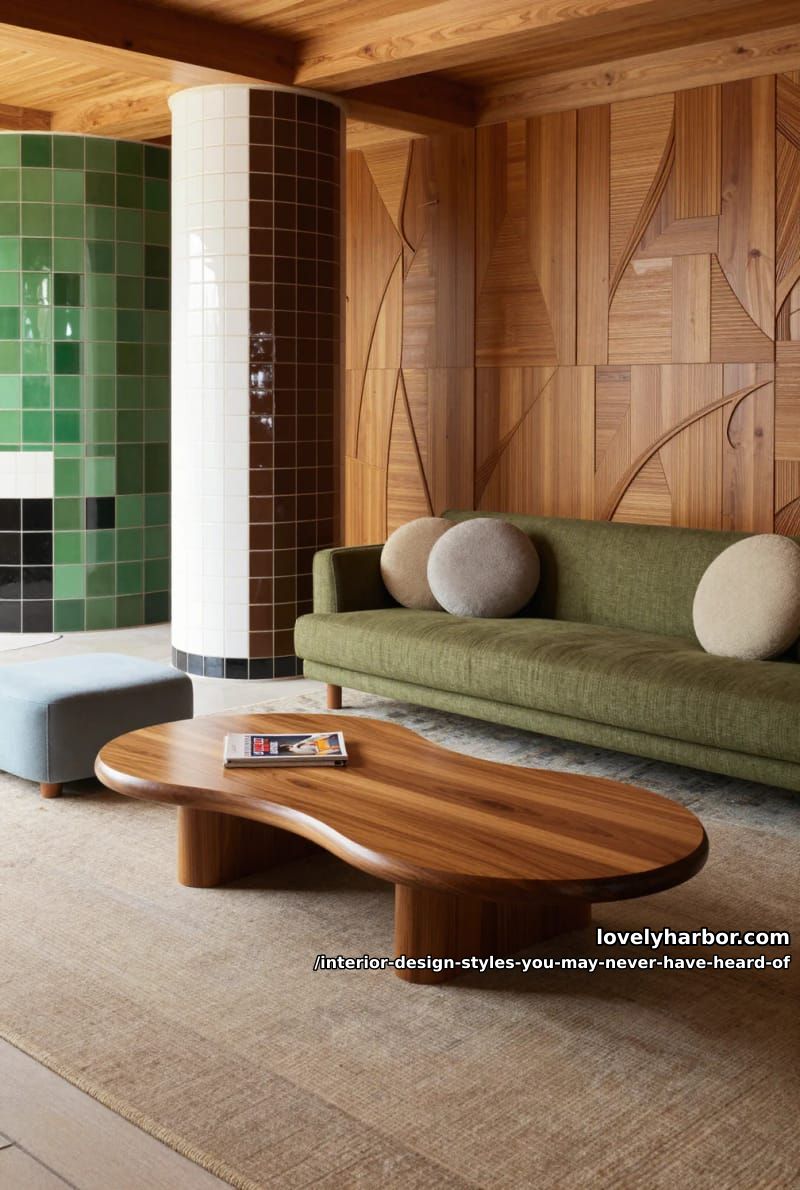
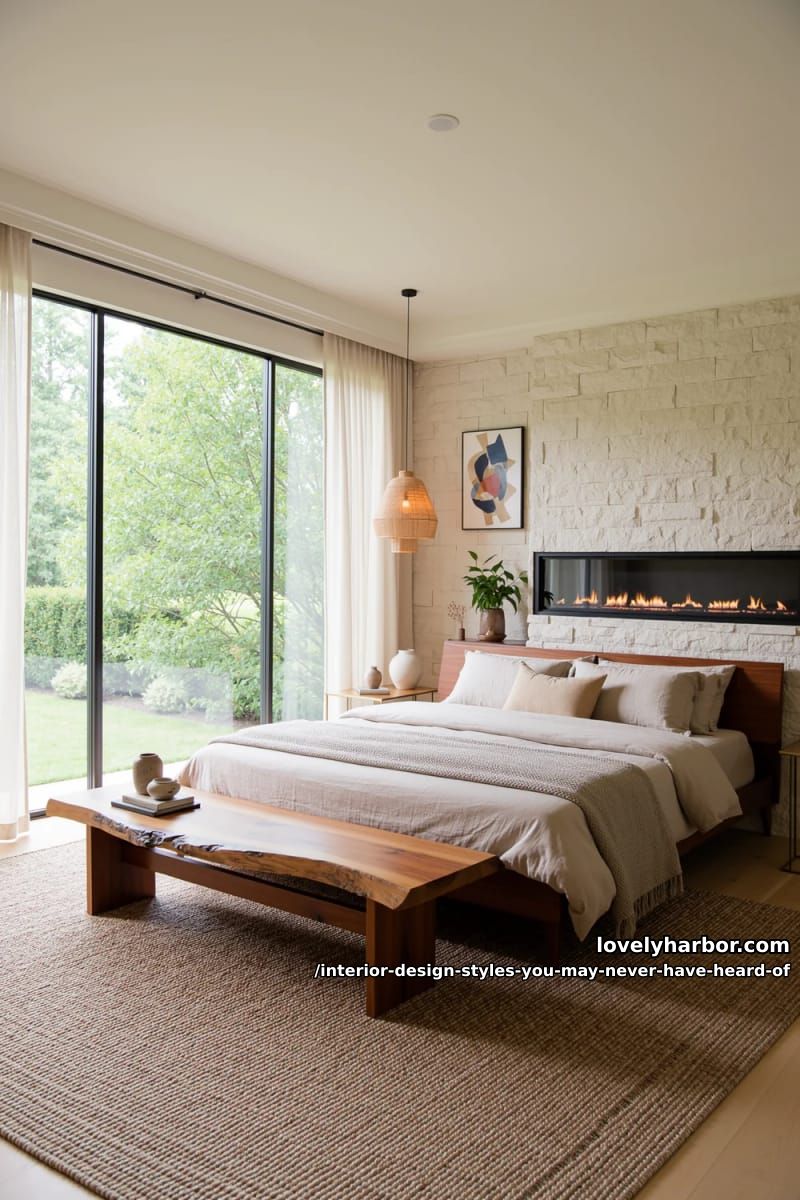
Organic Modernism may be the most influential style on this list right now. Many furniture brands are producing versions of it whether they use the name or not.
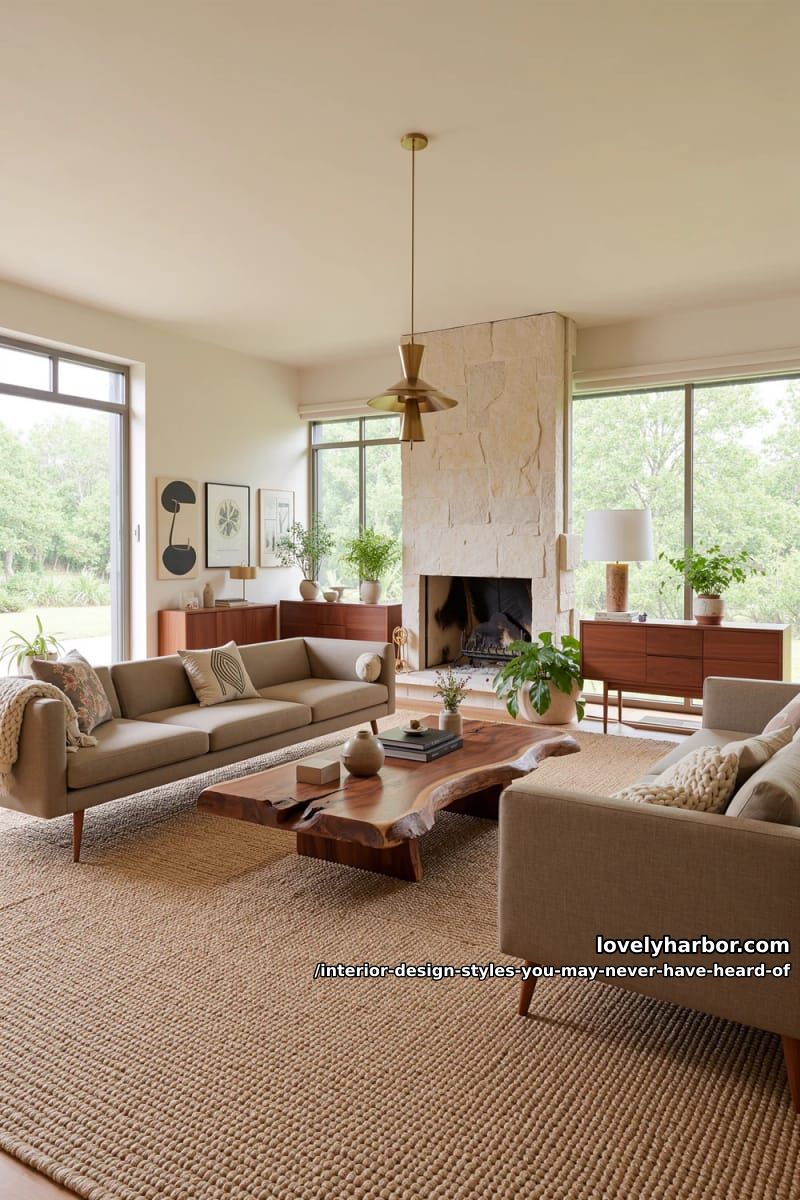
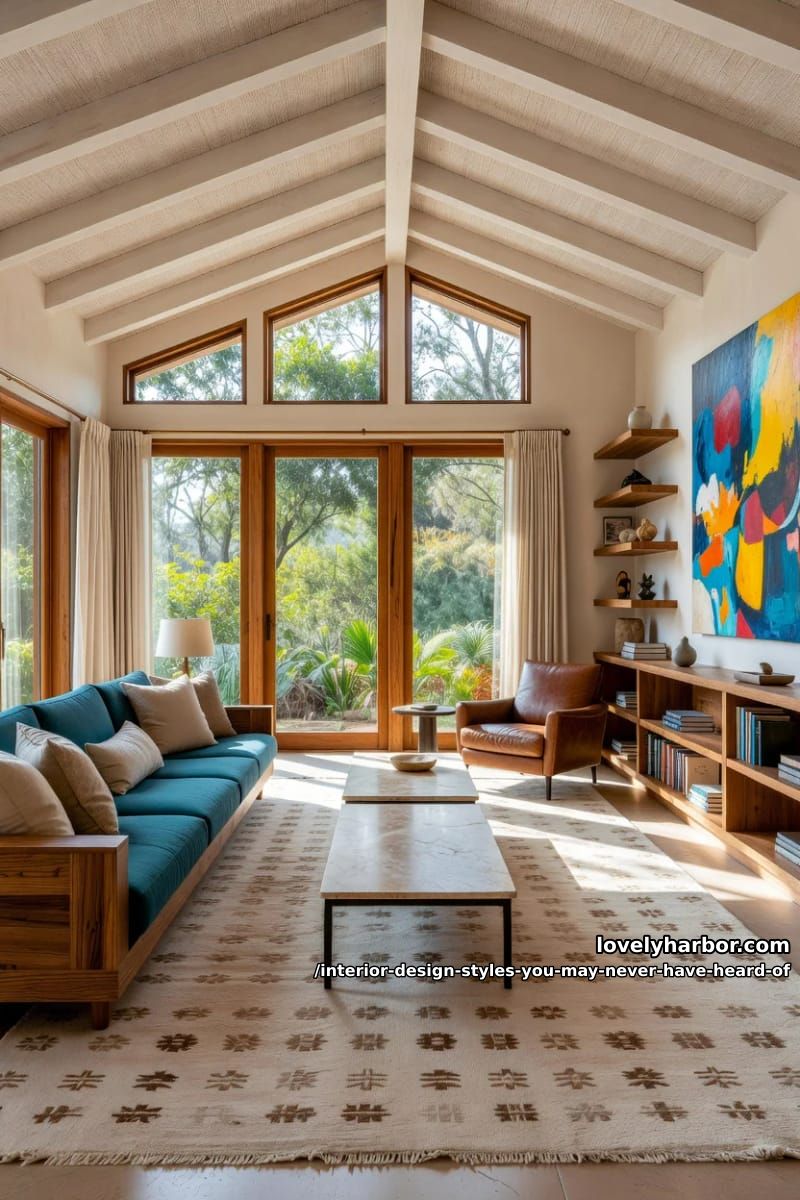
The style combines modern silhouettes with natural materials that retain visible texture and variation. Clean-lined furniture sits beside live-edge wood, natural stone, woven fibers, and handmade objects. It offers an alternative to sterile minimalism without abandoning modern design altogether.
Architectural Organic Modern
Natural stone becomes the dominant visual element while furniture remains restrained.
Best for: Homes with fireplaces, large walls, or strong architectural features.
Layered Organic Modern
Natural fibers, wood grain, and handcrafted accessories provide visual depth.
Best for: Apartments and smaller spaces where structural changes are limited.
Conclusion
What's striking about these nineteen styles is how many of them emerged as reactions against something that came before. Memphis Group pushed against convention. Grandmillennial rejected years of minimalism. Nordic Noir darkened Scandinavian design. Soft Brutalism softened Brutalism itself. You don't need to adopt any of them wholesale. In fact, the most memorable homes rarely do.
Borrow the material honesty of Wabi-Sabi, the architectural thinking of Usonian design, the environmental awareness of Biophilic Design, or the drama of Hollywood Regency. The goal isn't allegiance to a label. It's understanding the ideas behind it well enough to create rooms that feel like they belong to the people living in them rather than the trends dominating a particular year.
Which of these design movements are you most tempted to borrow from?